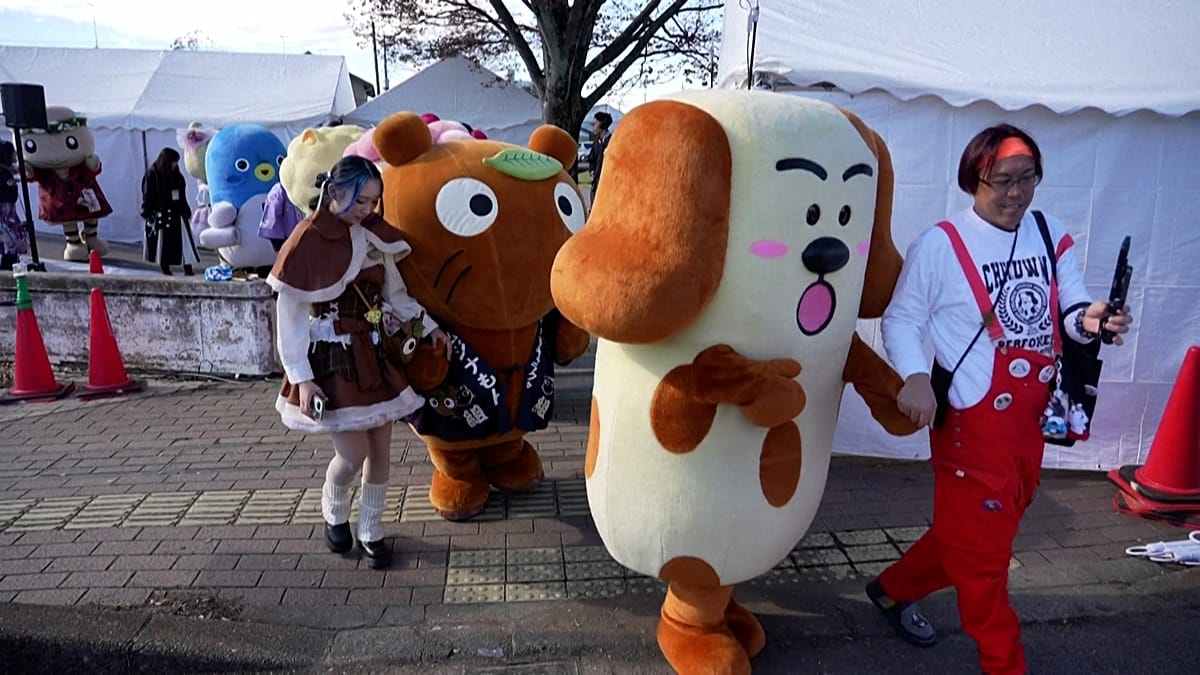
On a crisp weekend in Saitama, just north of Tokyo, the city's streets transformed into a riot of colour as more than 200 mascots gathered for one of Japan's most beloved pop-culture events. Tens of thousands of fans turned out to watch the characters dance, parade, and pose for photographs, in a celebration that has become a fixture of the country's quirky yet deeply serious mascot culture.
A national obsession with local heroes
Japan's mascots, known as yuru-chara, are more than just cartoonish figures. They serve as ambassadors for prefectures, cities, companies, and even government campaigns. Each character is designed to embody local pride, often with a backstory tied to regional produce, history, or landmarks. The Saitama gathering, held annually, is the largest of its kind, drawing participants from across the archipelago.
Among the stars was Kumamon, the bear mascot of Kumamoto Prefecture on the southern island of Kyushu. With his rosy cheeks and mischievous grin, Kumamon has become a national icon, generating billions of yen in merchandise sales and tourism revenue for his home region. His appearance in Saitama drew some of the biggest crowds, with fans queuing for hours for a chance to snap a selfie.
The event is not just about entertainment. For many municipalities, mascots are a serious economic tool. A successful character can boost local tourism, attract investment, and even raise awareness of social issues. In an era of rural depopulation, these characters help put smaller towns on the map, both domestically and internationally.
This year's festival featured a mix of familiar faces and newcomers. Alongside Kumamon were characters like Funassyi, the pear-shaped fairy from Funabashi, and Chakkiri-kun, a tea-leaf mascot from Shizuoka. Each brought their own fan base, and the atmosphere was one of joyful chaos as children and adults alike rushed to collect stamps, buy limited-edition merchandise, and catch a glimpse of their favourites on stage.
The parade route wound through the city centre, with mascots performing choreographed dances to upbeat J-pop tunes. Some characters are known for their acrobatic moves, while others rely on sheer cuteness. The event also included a contest for the best-dressed mascot, a fiercely competitive category that often makes headlines in Japanese media.
For international visitors, the festival offers a window into a uniquely Japanese blend of whimsy and civic pride. It is a far cry from the more formal cultural exports like tea ceremonies or kabuki theatre, yet it is just as authentically Japanese. The mascots' appeal crosses generations, and many attendees were grandparents who had grown up with earlier generations of characters.
While the event is a celebration of local identity, it also reflects broader trends in Japanese society. The country's economy has struggled with stagnation and an ageing population, as noted in recent reports on Japan's flatlining economy. Mascots offer a low-cost, high-visibility way for communities to project optimism and attract attention, even as they grapple with long-term challenges.
The festival also comes at a time when Japan is increasingly looking outward. With tourism rebounding after the pandemic, events like this are a draw for international visitors seeking authentic local experiences. The country's efforts to promote regional travel have been bolstered by such gatherings, which showcase the diversity of its prefectures.
For those unable to attend in person, the event was streamed online, allowing fans worldwide to join in the fun. Social media buzzed with photos and videos, further cementing the mascots' status as digital-age celebrities. The hashtag for the event trended nationally on X, formerly Twitter, for much of the weekend.
As the sun set on Saitama, the mascots took their final bows, and the crowds began to disperse. But for many, the memories will linger, and the countdown to next year's gathering has already begun. In a country that often looks to the future with a mix of anxiety and hope, these colourful characters offer a simple, joyful reminder of the power of local pride and community spirit.