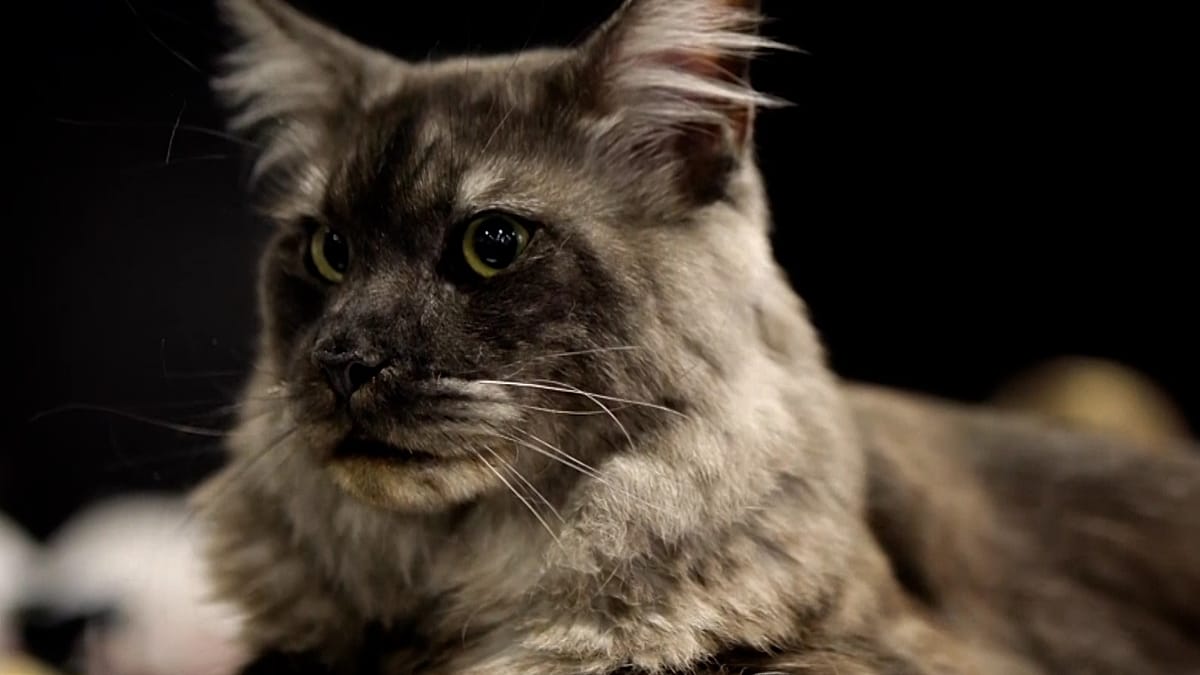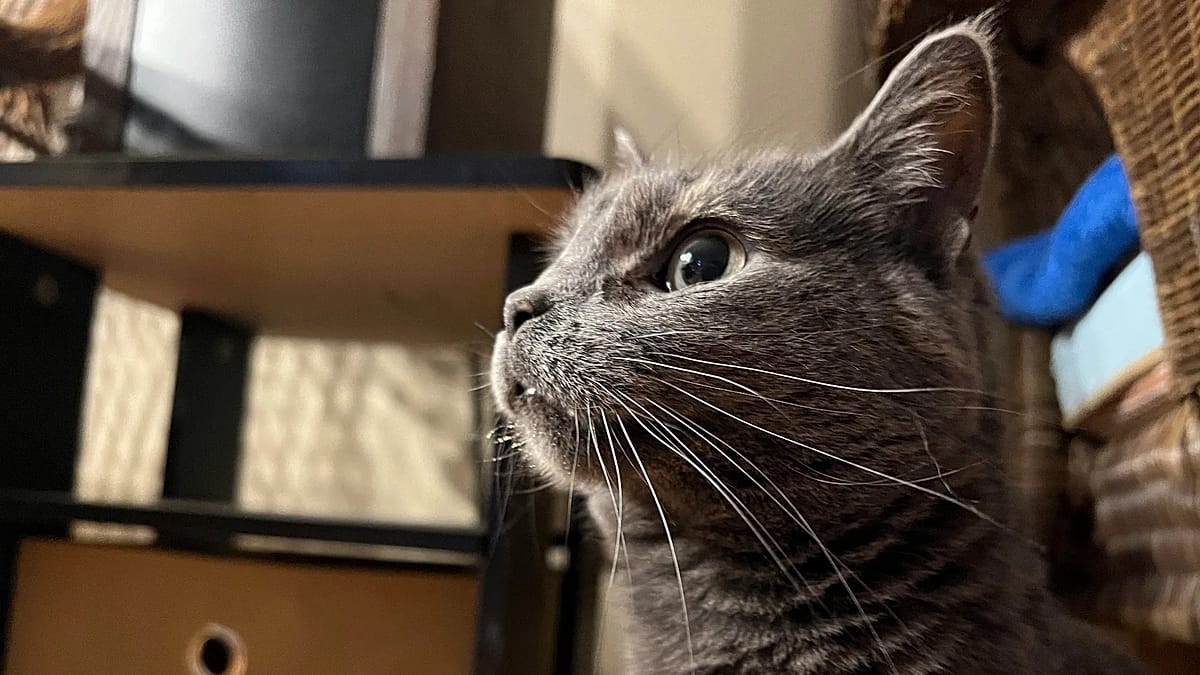
For anyone who has ever felt manipulated by a feline housemate, science now offers some reassurance: cats really do tailor their communication to get our attention. A growing body of research from Europe and beyond shows that domestic cats combine vocalizations, eye contact, and body language in ways that are remarkably attuned to human behavior.
The purr that sounds like a cry
One of the most striking findings comes from a 2009 study at the University of Sussex. Karen McComb and her team identified a distinct type of purring that cats use when they want food. Dubbed “solicitation purring,” it mixes the usual low rumble with a high-frequency element that resembles a baby’s cry. In listening tests, human participants rated this purr as more urgent and less soothing than ordinary purring. The researchers suggest that our sensitivity to infant-like sounds makes us particularly responsive to this acoustic trick.
This is not just an amusing anecdote; it points to a deep evolutionary co-adaptation. Cats have lived alongside humans for thousands of years, and those that could best communicate their needs were more likely to be fed and sheltered. Over generations, this may have shaped the way they use their voices.
Slow blinking: a feline smile
Vocalizations are only part of the story. A 2020 study published in Scientific Reports examined the meaning of slow blinking in cats. When a cat narrows its eyes and then closes them briefly, it appears to be sending a friendly signal. The researchers found that cats were more likely to approach a person who had slow-blinked at them, and they often blinked back. This behavior has been compared to a human smile, and it offers a simple way for owners to build rapport with their pets.
Body language, including tail position, ear orientation, and posture, also plays a crucial role. A cat that feels threatened may flatten its ears or puff its tail, while a relaxed cat often holds its tail upright. Understanding these cues is essential for interpreting what a cat is trying to convey.
Meowing with intent
A 2024 study from the University of São Paulo in Brazil added another layer. Researchers observed 38 pet cats as they sat in front of a closed plastic box containing their favorite food. The cats could smell the treat but could not open the box themselves. Each cat was filmed for one minute, once with an attentive person in the room and once alone. When a person was present, the cats produced 86 meows; without human company, only 20. Moreover, the cats often alternated their gaze between the person and the box, suggesting they were deliberately directing their calls at the human in hopes of assistance.
Whether cats are consciously strategizing remains an open question, but the behavioral evidence is compelling. They seem to know when it is worth appealing to a human and when it is better to stay quiet.
They know their own name
Another study, published in Scientific Reports in 2019, showed that pet cats can distinguish their own name from other words and from the names of other cats. The animals responded differently to their name than to similar-sounding terms. However, this does not mean they will always come when called. Unlike dogs, which often rush over enthusiastically, cats tend to register the information and then decide, on their own terms, whether to respond. This selective obedience is a familiar trait to many cat owners.
Humans are not always good at reading cats
Despite these sophisticated feline communication skills, mutual understanding is not guaranteed. A 2024 study in Applied Animal Behaviour Science tested how well humans can read cat signals. Participants watched videos of cats in various situations and were asked to identify the animals’ emotional states based on sound alone, image alone, or both. When both visual and auditory cues were available, accuracy reached 91.8 percent. With sound only, it dropped to 72.2 percent. Participants found it particularly difficult to recognize when cats were dissatisfied.
This suggests that a meow alone is rarely enough to understand what a cat is feeling. Owners should pay attention to the whole picture—ears, tail, eyes, and posture—to avoid misreading their pet’s mood.
Manipulation or just good communication?
So are cats manipulating us? The scientific consensus is cautious. While the studies demonstrate that cats are highly skilled at perceiving human attention and adjusting their signals accordingly, whether this constitutes conscious manipulation is still debated. What is clear is that cats have evolved to communicate with us in ways that work remarkably well. An insistent purr, a gentle blink, or a targeted meow can achieve more than any well-argued discussion.
Perhaps cats have simply figured out how humans work—and we, in turn, are happy to be charmed.