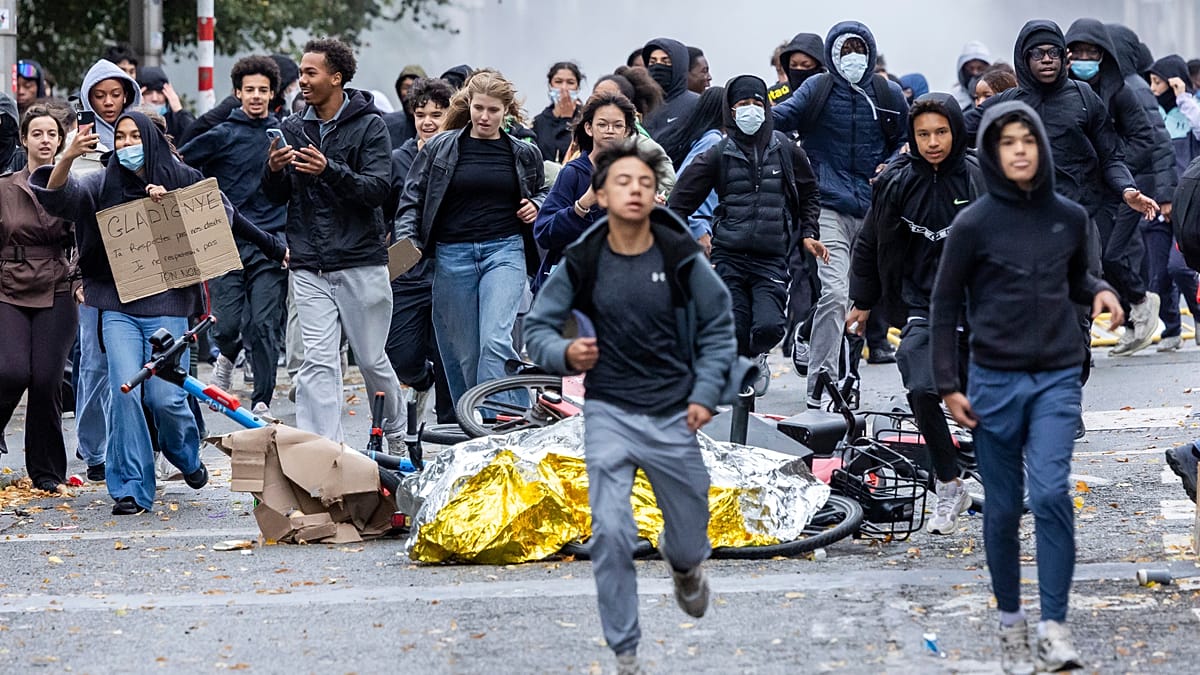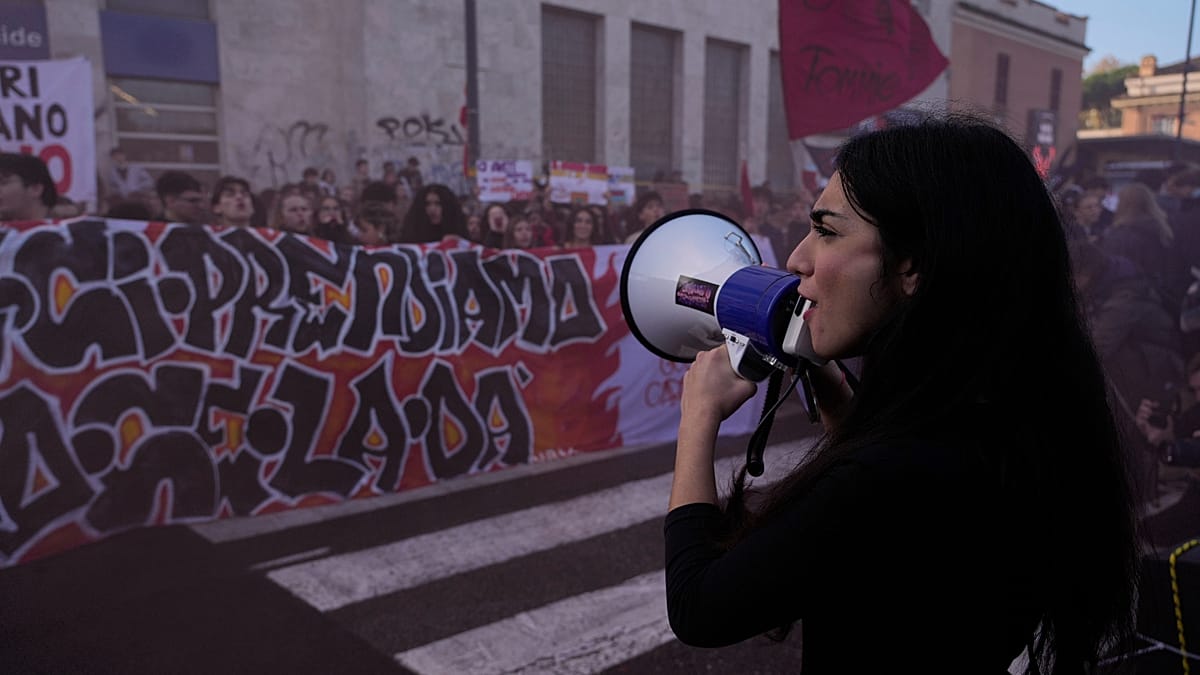
From Rome to Vienna, Zagreb to Berlin, thousands of workers and students took to the streets on Friday in a coordinated wave of protest spanning more than 25 European countries. The demonstrations, expected to continue through the weekend, are driven by frustration over stagnant wages, soaring housing costs, and what many see as chronic underfunding of public services.
The protests come after weeks of mounting discontent over rising living costs, deteriorating education conditions, and increased military spending. Many marchers are calling for governments to redirect funds toward healthcare, welfare, and education, and to prioritize peace over arms.
Italy: General strike disrupts transport and schools
In Italy, the largest action was a 24-hour strike called by the Italian General Confederation of Labour (CGIL), which sparked demonstrations in over 100 locations. Protesters criticized stagnant wages, the rising cost of living, and what they described as the government's failure to improve public services and protect workers' rights.
Opposition leaders joined the rallies, using the platform to attack Prime Minister Giorgia Meloni's government over its record on wages and social spending. The strike, which coincided with the International Day of Student Mobilisation, hit both public and private sectors, disrupting public transport in several cities, as well as schools and some health facilities.
Planned strikes by air transport workers were called off for Friday, but separate walkouts involving airport staff remain scheduled for Sunday at Milan and Venice airports. Authorities deployed additional police in several Italian cities where multiple demonstrations took place.
Students in Croatia, Austria, and Germany: Education over arms
In Croatia, students boycotted classes and protested in around a dozen cities, demanding more investment in education, housing, and public services rather than military spending. The protests reflect a broader regional sentiment, echoing economist Joseph Stiglitz's backing of Europe's youth protests as a legitimate response to inequality.
In Austria, several hundred people gathered outside the University of Vienna for a youth-led protest calling for more education funding and less spending on weapons. Police dispersed the demonstration following reported disturbances, using pepper spray and making several arrests.
In Germany, demonstrators called for greater investment in education and opposed a possible return to compulsory military service. The rallies followed protests on 31 October that drew thousands into the streets, with violence reported in some cities. The German protests are part of a wider debate about defense spending, which has also fueled political tensions in Slovakia, where protesters have demanded the prime minister's exit over his Kremlin ties.
The coordinated nature of these protests, spanning multiple countries and sectors, signals a growing pan-European movement. Organizers say the weekend will see further actions, with many groups planning to keep pressure on governments through the autumn.
While the immediate triggers vary—wages in Italy, education funding in Croatia, military service in Germany—the underlying message is consistent: citizens want governments to invest in people, not just budgets. As one protester in Vienna put it, "We need schools, not tanks."
The protests also highlight a generational divide, with students and young workers at the forefront. Their demands echo the cost-of-living protests that swept France earlier this year, which led to significant property damage and insurance claims. Whether European governments will heed these calls remains to be seen, but the scale of Friday's actions suggests that the pressure is unlikely to fade quickly.