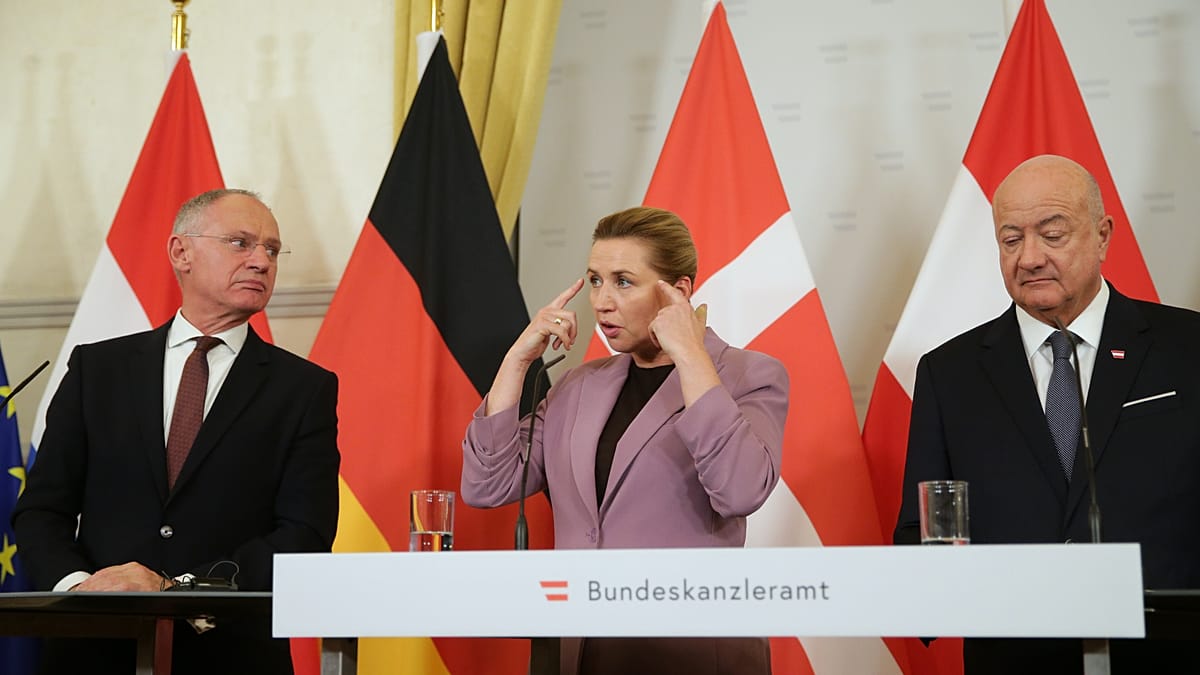
Five European Union member states have unveiled a joint initiative to establish return hubs in Rwanda for migrants who have exhausted their legal avenues to remain in the bloc. The plan, announced on 16 November, is being pitched by its backers as a decisive tool to regain control over Europe's external borders and discourage irregular arrivals. But with scant operational details and a history of legal challenges to similar schemes, the proposal has already drawn sharp criticism from human rights organisations and legal experts.
What has been announced so far
The governments of Austria, Denmark, Germany, Greece and the Netherlands have agreed to begin transferring rejected asylum seekers and individuals whose appeals have been finally dismissed to Rwanda starting in 2027. The first hub is expected to accommodate around 100 people at any one time, functioning as a pilot for a model that could later be expanded.
According to the announcement, those relocated to Rwanda would be free to live and work in the East African country or to return voluntarily to their countries of origin. Danish Prime Minister Mette Frederiksen framed the initiative as a powerful deterrent, arguing that the prospect of being sent to Rwanda would make potential migrants think twice before embarking on dangerous journeys toward Europe.
“The signal that we are sending, that you can no longer enter the European Union illegally and think that you can just stay around ... will prevent a lot and ensure that thousands of people will think it through before starting their journey into Europe,” Frederiksen said.
Rwandan authorities have also welcomed the plan, describing it as a way to “protect the right to asylum while treating migrants with dignity at every stage.” However, the vagueness of the proposal has left many questions unanswered.
What remains unknown
Olivia Sundberg, EU advocate on migration and asylum at Amnesty International, highlighted the lack of clarity in an interview with Euronews Verify. “We don't know how much it will cost; we don't know what Rwanda has been offered in exchange; we don't know what guarantees exist for people; we don't know how the courts will intervene; we don't know what protections will be in place; and we don't know who's legally responsible if something goes wrong,” she said.
These concerns echo the legal battles that have plagued similar attempts. The United Kingdom's previous deal with Rwanda was struck down by the Supreme Court in London, which ruled that the scheme was unlawful due to the risk of refoulement — the return of individuals to countries where they face persecution. Although the UK has since passed new legislation to revive the policy, the European version may face comparable judicial scrutiny, particularly if cases are brought before the European Court of Human Rights or the Court of Justice of the EU.
Critics also question whether the hubs will actually deter irregular migration. Research on deterrence suggests that such measures often push people toward more dangerous routes rather than stopping them altogether. The International Organization for Migration has documented a rise in deaths along the Central Mediterranean route, even as overall crossings fluctuate.
Moreover, the financial and diplomatic costs remain opaque. Rwanda has not disclosed what it expects in return for hosting the hubs, and the EU member states have not provided a budget. The pilot's small scale — just 100 places — raises doubts about its impact on the broader migration picture, which saw over 250,000 irregular border crossings into the EU in 2023.
Legal and human rights concerns
Human rights groups have warned that the hubs could violate international law, particularly the principle of non-refoulement and the right to asylum. The UN Refugee Agency (UNHCR) has repeatedly stated that asylum seekers should not be transferred to third countries without robust safeguards and independent oversight. In Rwanda, the agency has reported concerns about the treatment of refugees, including restrictions on freedom of movement and limited access to services.
There is also the question of accountability. If a migrant is mistreated in a hub, which jurisdiction would have authority? Would the EU member states retain responsibility, or would it fall to Rwanda? Legal experts argue that the lack of a clear framework could create a legal vacuum, leaving vulnerable individuals without effective remedies.
Despite these concerns, the five governments appear determined to press ahead. They argue that the current system is unsustainable and that new approaches are necessary to manage migration effectively. The European Commission has not yet issued a formal opinion on the plan, but it is likely to face pressure from both sides of the debate.
The proposal also comes amid broader discussions about migration policy in Europe, including the EU's New Pact on Migration and Asylum, which aims to create a more predictable and fair system. Some see the Rwanda hubs as a test case for external processing, while others view them as a dangerous precedent that could undermine the EU's commitment to human rights.
As the pilot moves closer to reality, the lack of transparency remains a major sticking point. The next steps will be closely watched by governments, courts and civil society across the continent. For now, the only certainty is that the debate over how to handle irregular migration is far from settled.