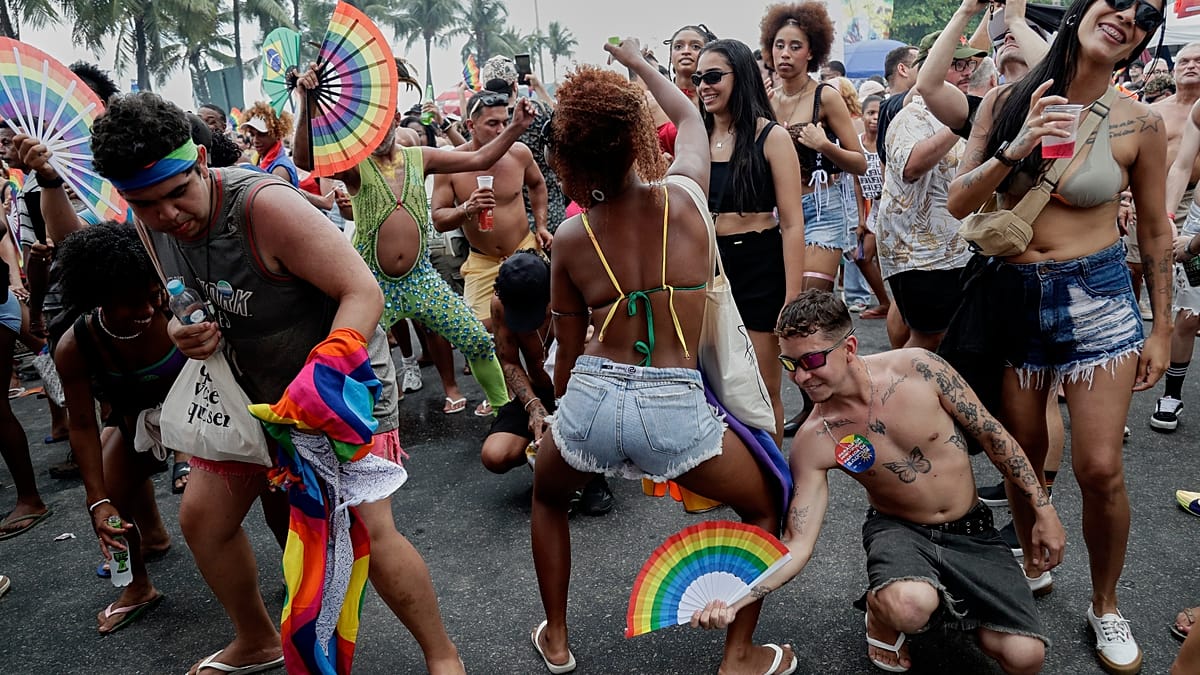
Rio de Janeiro's Copacabana beachfront was transformed into a sea of colour and sound on Sunday, as thousands took part in the city's 31st Pride Parade. The annual event, held under a warm spring sun, drew a diverse crowd of Brazilians and international visitors alike, all united in a call for greater LGBT+ rights.
The parade, which snaked along the iconic Avenida Atlântica, featured elaborate costumes, samba dancers, and towering floats blasting music. Participants waved rainbow flags and carried banners with messages ranging from political demands to personal affirmations of identity. For many, the event was both a celebration and a reminder of the ongoing struggle for equality in a country that still records high rates of violence against transgender people.
A tradition of resistance and joy
Rio's Pride Parade has grown from a small protest in the 1990s into one of the largest LGBT+ events in Latin America. This year's edition, the 31st, carried particular significance as Brazil navigates a politically charged atmosphere. Organisers emphasised that the parade was not just a party but a political act, with speeches from activists and local politicians calling for stronger legal protections and better public policies.
Among the attendees was Maria Silva, a 34-year-old teacher from São Paulo, who travelled to Rio specifically for the event. "This is my third Pride in Rio," she said, her face painted with a rainbow flag. "It's a space where I feel free, but it's also a reminder that we have to keep fighting. We can't take anything for granted."
The parade also drew attention to the economic impact of such events. Hotels along the Copacabana strip reported high occupancy rates, and local vendors sold everything from rainbow-coloured caipirinhas to handmade jewellery. For many small businesses, Pride weekend is a significant boost to their annual revenue.
While the mood was largely festive, some participants used the occasion to highlight persistent challenges. Brazil remains one of the deadliest countries for transgender people, and discrimination in employment and housing is still widespread. Activists at the parade called on the federal government to strengthen anti-discrimination laws and to ensure that existing protections are enforced.
The event also had a strong international dimension, with visitors from across Europe and beyond. Among them was a group of tourists from Berlin, who said they were impressed by the energy of the Rio parade. "It's different from Berlin's Pride," said one of them, Lukas Meyer. "Here, it feels more like a carnival, but also more political. It's inspiring."
Rio's Pride Parade comes at a time when Brazil's political landscape is shifting. The recent election results have brought a new administration to power, and many in the LGBT+ community are hopeful for progress. However, as the parade demonstrated, the fight for equality is far from over.
As the sun set over Copacabana, the crowds began to disperse, but the energy of the day lingered. For many, the 31st Pride Parade was a powerful reminder of the resilience and joy of Brazil's LGBT+ community. As one banner read: "We are here, we are proud, and we will not go back."