New HIV diagnoses in Greece have declined over the past year, yet the country continues to struggle with late detection, according to preliminary figures from the National Public Health Organisation (EODY).
By the end of October, the National HIV Registry had recorded 490 new cases, equivalent to 4.7 diagnoses per 100,000 residents. That is a noticeable drop compared with the same period in 2025, offering a cautiously optimistic signal in the country's long-running effort to curb the epidemic.
However, the data also reveal persistent weaknesses. Among the 281 new diagnoses for which clinical information was available, roughly half were made at an advanced stage of infection. The problem is particularly acute among older adults: 57.3% of those aged 40–49 and 62.5% of those aged 50 and over were diagnosed late. By contrast, the rate was 41% among men who have sex with men and 34.7% among people in their 30s.
Age shift in new cases
The epidemiological report also points to a demographic shift. Until 2024, the 30–39 age group accounted for the largest share of new diagnoses. Over the past two years, however, people in their 40s have become the most frequently diagnosed group, and the proportion of new cases among those over 50 has been rising. In the latest data, 30.2% of new diagnoses were in people in their 40s, followed by 25.9% in their 30s and 22.9% in those aged 50 and above.
Public health officials are concerned that late diagnosis not only worsens individual health outcomes but also increases the risk of onward transmission. As EODY notes, timely testing and treatment are essential to breaking chains of infection.
Transmission routes and surveillance gaps
Unprotected sexual contact remains the primary mode of HIV transmission in Greece. Among the new cases, 41.6% involved men who had unprotected sex with men, 12.7% were linked to heterosexual contact, and 10.6% to shared needles or other intravenous drug use. Yet for a significant share of cases—169 diagnoses, or 34.5%—the transmission route is either unknown or not recorded, underscoring gaps in epidemiological surveillance.
There is some good news on the drug-use front: new infections linked to intravenous drug use fell by 22.4% compared with 2025. Still, EODY cautions that levels have not returned to those seen before the outbreak that hit Greece between 2011 and 2013, particularly in Athens.
The cumulative toll remains heavy. Since records began, 22,408 HIV infections have been reported through October 2026. Of those, 5,200 people have developed AIDS and 3,980 have died. Currently, 11,891 patients are on antiretroviral therapy to suppress their viral loads.
Men continue to account for the vast majority of new diagnoses—84.1%—while women represent 15.9%.
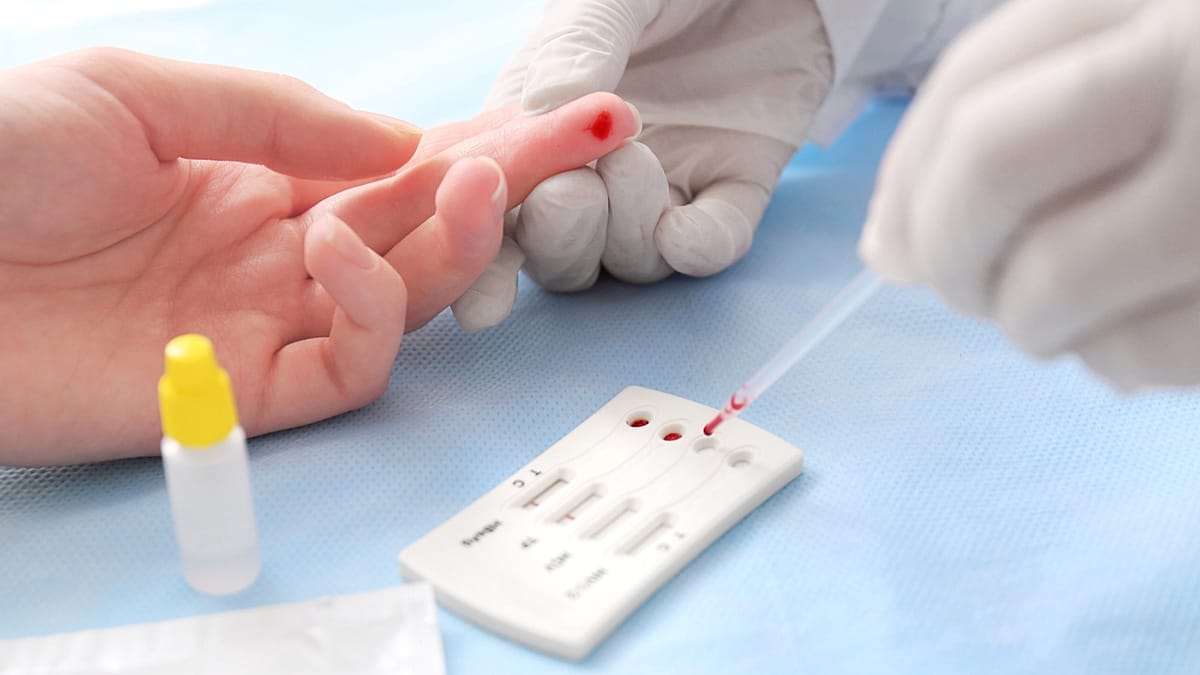
Health authorities in Athens are urging more routine testing, especially among older adults and those with potential exposure risks. The challenge is not just medical but also social: stigma and lack of awareness can delay people from seeking an HIV test until symptoms appear.
Greece's experience mirrors broader European trends, where late diagnosis remains a stubborn obstacle despite advances in prevention and treatment. As the continent pushes toward the UNAIDS target of ending AIDS by 2030, countries like Greece are being reminded that early detection is just as critical as new therapies.