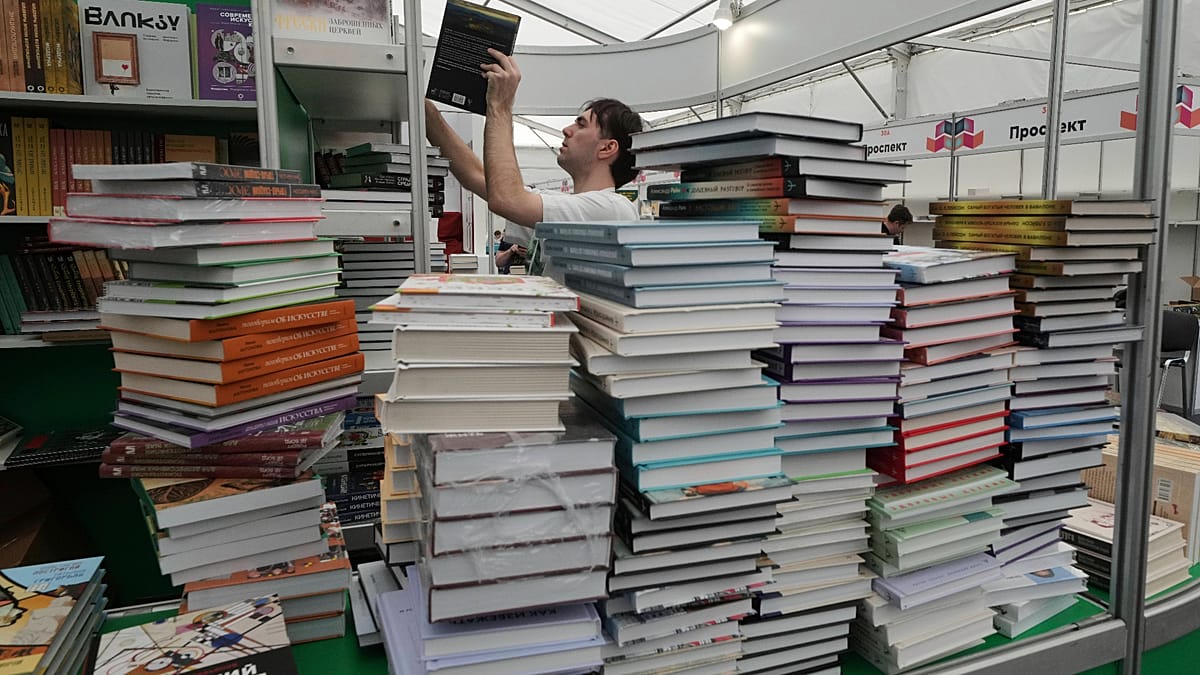
Latvia has become the first European country to prohibit the import of books, newspapers and other printed materials from Russia and Belarus, a move officials say is designed to counter Kremlin disinformation and hybrid warfare. The ban, which took effect on 1 September, was confirmed by the foreign ministry in Riga on Monday.
In a statement, the ministry said the measure is intended to “protect Latvia’s security interests and further reduce economic ties with Russia and Belarus, which continue to wage and support the war of aggression against Ukraine.” The ban also covers other consumer goods, including clothing, toys and sports equipment.
Latvia, a NATO and EU member that shares borders with both Russia and Belarus, has been one of Kyiv’s staunchest allies since the full-scale invasion began in 2022. Riga has repeatedly reported what it calls “hybrid attacks” from Moscow, ranging from cyberattacks and drone incursions to disinformation campaigns, and has invested heavily in border security and civil defence, fearing it could be a future target.
The country is home to a significant Russian-speaking minority—roughly a quarter of the population identifies as ethnic Russian, according to official statistics. That demographic reality has made the information space a particular concern for Latvian authorities, who argue that Russian-language media and literature have been used as tools of influence.
Sharp drop in trade, but books remained a loophole
Since the war began, Latvia’s overall imports from Russia and Belarus have fallen by about 91%, the foreign ministry said. However, printed materials had remained one of the largest consumer import categories still coming from Russia, which is why the new ban specifically targets them.
The move follows earlier steps by Riga to reduce the footprint of Russian-language media and education. Latvia has already scrapped VAT incentives for Russian-language publishing and has been phasing out Russian-language instruction in schools, arguing that these measures are necessary to counter Kremlin interference and to better integrate Russian-speaking residents.
“This is about resilience,” said a government official familiar with the decision, speaking on condition of anonymity. “We are reducing vulnerabilities in our information space, just as we are hardening our borders.”
The ban comes amid rising friction between Moscow and the Baltic states. In May, Russia signalled it would take Latvia, Lithuania and Estonia to the International Court of Justice over alleged violations of the rights of Russian speakers. The three countries reject the claims, accusing Moscow of exploiting the ethnic Russian minority—which grew substantially during decades of Soviet occupation—to stoke regional tensions.
Analysts note that the Latvian move could set a precedent for other EU and NATO members grappling with similar concerns. While the bloc has imposed sweeping sanctions on Russian energy, finance and technology, cultural and informational imports have largely escaped restrictions. Latvia’s decision may prompt discussions in Brussels about a more coordinated approach.
For now, Riga is pressing ahead unilaterally. The ban is part of a broader strategy to “strengthen the resilience of society,” as the government put it, and to close the remaining economic and informational channels that link Latvia to Moscow and Minsk.
As the war in Ukraine grinds on, the battle for narratives is likely to intensify. Latvia’s move underscores how European states are increasingly treating printed words as a weapon in that fight—and are willing to take unprecedented steps to keep them out.