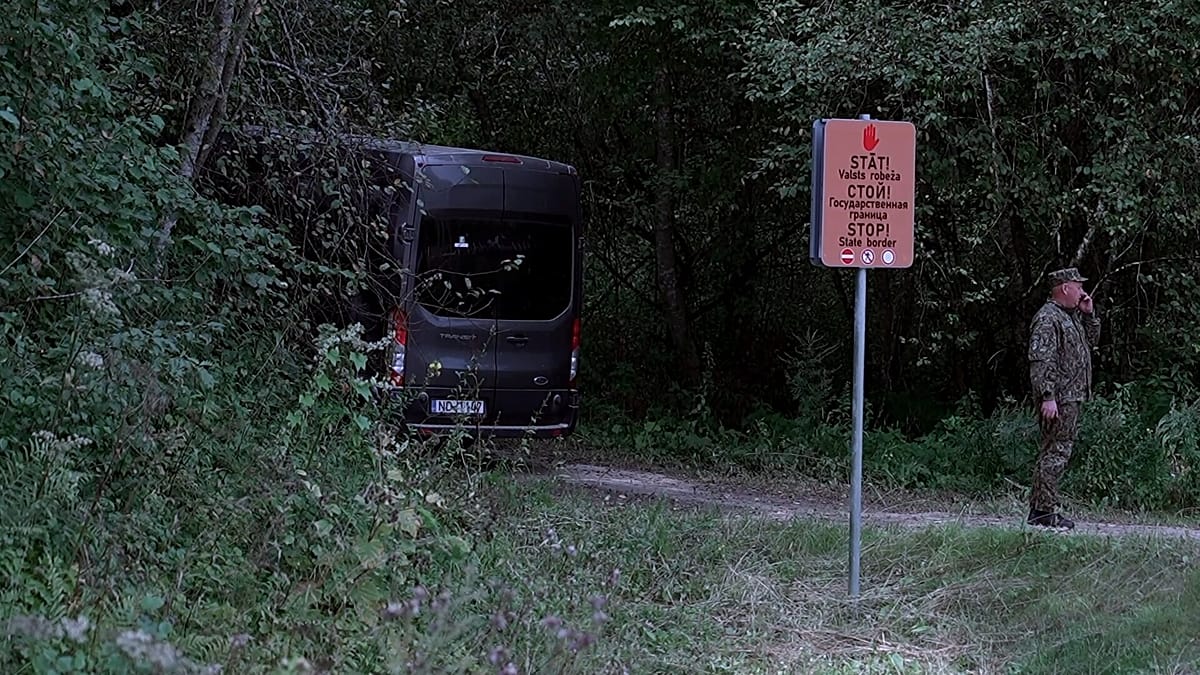
Latvia is moving to strengthen its border guard's authority after a particularly aggressive incident on 5 October, when a group of around 20 migrants used makeshift stairs to cross from Belarus. According to Interior Minister Jānis Dombrava, the group was led by “armed, masked escorts openly threatening Latvian soldiers.” The episode, which also involved damage to border surveillance equipment, has heightened concerns in Riga about the nature of the pressure on the EU's eastern frontier.
Dombrava told Euronews that the combination of armed intimidation and targeted sabotage “raises the risk of a violent confrontation and tests both our defences and our willingness to respond.” He framed the situation not as a migration-management problem but as a security threat, a view echoed by the head of Latvia's State Border Guard, Guntis Pujāts.
Latvia, a country of roughly two million, has faced irregular migration from Belarus since 2021, when Minsk began facilitating crossings into the EU. This year, Riga completed fencing along its 173-kilometre border with Belarus and installed advanced surveillance systems, making illegal entry more difficult. But Pujāts says the tougher barriers have pushed facilitators to become more aggressive. “That's why they are trying to be more aggressive and so to throw stones as well, to show what looks like a weapon and so on,” he explained, adding that the latest incident “shows that the situation is not going to decrease but in the opposite way.”
Proposed changes to use of force
The State Border Guard has submitted a proposal to the Interior Ministry seeking changes to the rules governing the use of force. Currently, border guards may use firearms in circumstances prescribed by law, including when responding to serious threats or attempted sabotage. Pujāts wants to broaden those powers, not only for his own personnel but also for police and military units supporting border operations, so they can “protect the security of Latvia.”
Under the proposed amendments, border guards would no longer be required to issue a warning before using force in certain situations. They would also be allowed to use all available tools to stop and “neutralise” individuals damaging border infrastructure. “We will not be obliged to warn before, and we will be allowed all tools that we have to stop and so to neutralise persons who are damaging our border infrastructure,” Pujāts said.
Interior Minister Dombrava confirmed he will back the changes, saying they aim “to give those protecting our country clearer powers and greater discretion when facing threats of this kind.” He stressed that border guards, soldiers, and other officials must be confident they will not face unjustified criminal prosecution for the lawful use of firearms or special means.
The move comes as Latvia enters its fifth year of dealing with hybrid pressure from Belarus, which the EU has long accused of weaponising migration. The incident on 5 October is part of a broader pattern of increasingly brazen attempts to breach the border, often involving organised groups and, according to Latvian authorities, armed escorts.
While the proposal has yet to be debated in parliament, it is likely to spark discussion about the balance between security and human rights. Latvia's position on the EU's eastern flank has made it a key testing ground for the bloc's border policies, and its decisions are closely watched in Brussels and other member states. The country has also been a vocal advocate for stronger EU-wide measures to counter hybrid threats, including safeguards for new members that could affect how such challenges are managed.
For now, the Latvian government is focused on ensuring its forces have the legal tools they need to respond to what it sees as an escalating threat. As Pujāts put it, the situation is not improving, and the authorities are preparing for further provocations.