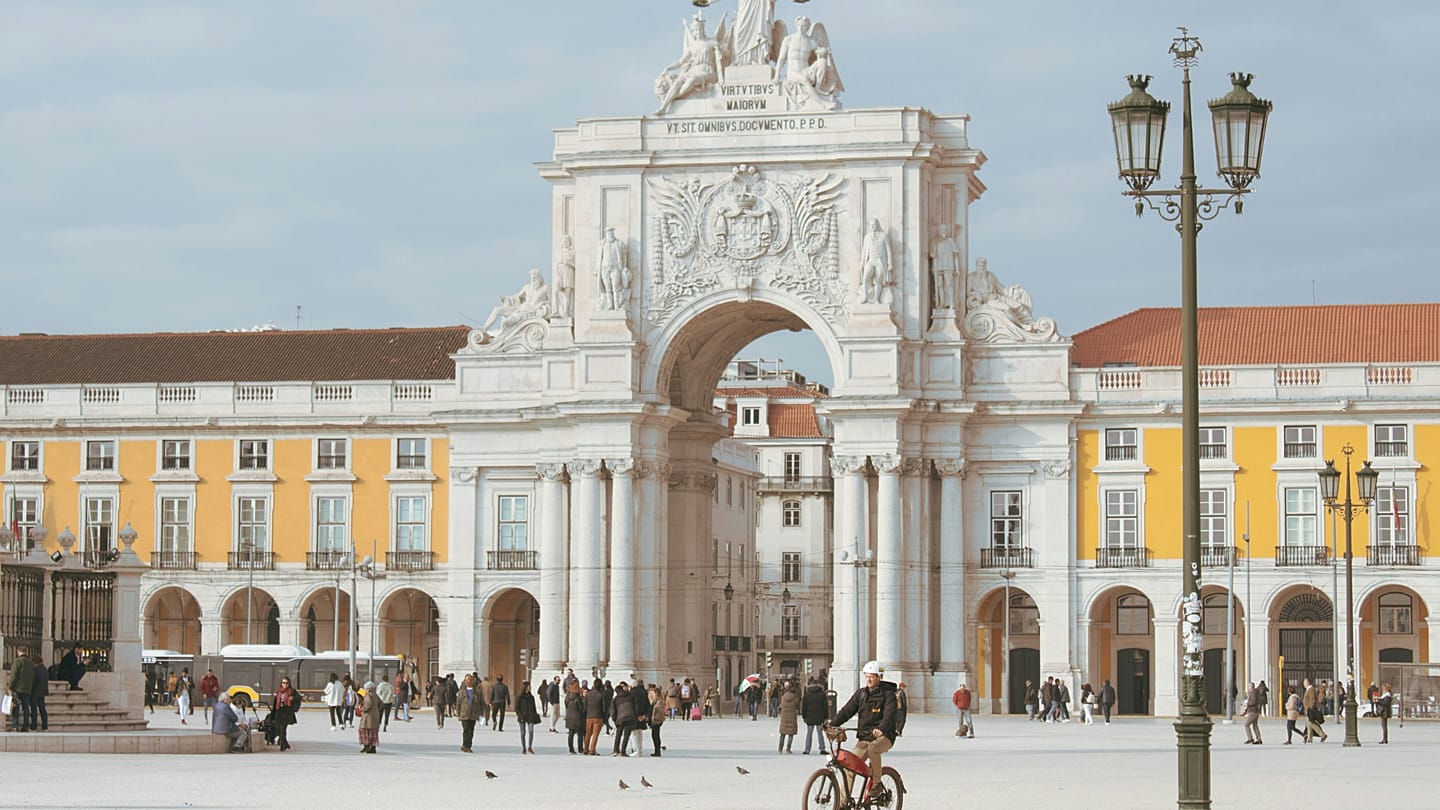
A new global ranking has placed Lisbon at the top of the list of the world's most livable cities for expatriates, underscoring the Portuguese capital's growing appeal as a destination for international professionals and digital nomads. The study, which assessed factors ranging from healthcare and safety to cost of living and ease of settling in, saw European cities claim eight of the top ten positions.
The findings come as more people across Europe and beyond seek opportunities to relocate for work, lifestyle flexibility, or a change of environment. The ranking highlights how cities that combine high quality of life with relative affordability are increasingly attractive in a post-pandemic world where remote work has become more common.
Europe's Strong Showing
Lisbon's top ranking reflects its mild climate, vibrant culture, and relatively low cost of living compared to other Western European capitals. The city has also invested heavily in infrastructure and digital connectivity, making it a hub for tech startups and freelancers. Other European cities in the top ten include Madrid, Barcelona, and Vienna, each praised for their public services, safety, and social integration opportunities.
The dominance of European cities in the ranking is no surprise given the continent's robust healthcare systems, extensive public transport networks, and high standards of living. However, the study also notes that affordability remains a key differentiator. Cities like Lisbon and Madrid offer a lower cost of living than Paris or London, which did not make the top tier despite their global stature.
For expats, the ease of settling in—measured by factors such as language barriers, local friendliness, and access to expat communities—was a critical factor. Lisbon scored highly in this regard, with a large and growing international community that has made integration smoother for newcomers.
The ranking also considered broader economic trends. As global growth forecasts are revised downward due to geopolitical tensions, cities that offer both stability and opportunity become even more valuable for those considering relocation.
Affordability and Quality of Life
While European cities dominated the top spots, the study also highlighted challenges. Rising housing costs in Lisbon and other popular expat destinations have sparked local concerns about gentrification and affordability for residents. The Portuguese government has introduced measures to regulate short-term rentals and curb price increases, but demand continues to outstrip supply.
Nevertheless, for expats, the trade-off remains favorable. The combination of high-quality healthcare, low crime rates, and a rich cultural scene makes cities like Lisbon and Madrid compelling choices. The study also noted that cities with strong environmental policies, such as those investing in renewable energy and sustainable transport, scored higher on livability metrics.
The ranking serves as a reminder that Europe's appeal extends beyond its historical and cultural landmarks. For the growing number of people who can work from anywhere, the continent offers a diverse range of urban environments that balance professional opportunities with personal well-being.
As the global workforce becomes more mobile, cities that invest in infrastructure, inclusivity, and quality of life will continue to attract talent. Lisbon's top ranking is a testament to its success in these areas, but it also signals that other European cities must adapt to maintain their competitive edge.