Recent hantavirus cases on cruise ships have drawn attention to a pathogen that, while rare, carries a high mortality rate and no approved treatments. The Andes virus, which causes hantavirus cardiopulmonary syndrome (HCPS), has a long incubation period of up to eight weeks and can be fatal in up to 50% of cases. But for those who survive, the ordeal does not end with hospital discharge.
Researchers at Pontificia Universidad Católica de Chile followed 21 survivors of HCPS for three to six months after they left hospital. Their findings, published in a peer-reviewed journal, paint a stark picture: not a single patient had fully recovered. All 21 reported at least one ongoing symptom, and more than 60% said they had not returned to their pre-illness state. On average, patients reported 11 to 12 symptoms each.
Persistent Physical and Psychological Toll
The most common complaints were fatigue, motor problems, hair loss, insomnia, and anxiety. Memory issues, nightmares, and sensory disturbances were also frequent. Patients who had required extracorporeal membrane oxygenation (ECMO)—a form of life support for failing heart and lungs—reported movement problems and heart palpitations. But even those with less severe illness experienced a similar range of symptoms, suggesting the disease itself, not just intensive care, drives long-term damage.
Quality of life dropped across both groups. Many survivors turned to self-medication, using painkillers, sleep aids, and vitamins to cope. Among those classified as having mild HCPS, the rate of self-medication reached 100%.
Slow Return to Normal Life
Returning to work or school proved difficult. Nearly one in five survivors had not resumed their regular activities six months after infection. Among those who did, recovery took an average of 3.5 months, and many reported reduced performance. Recovery time did not differ significantly based on illness severity or ECMO use.
Stigma also emerged as a problem. Nearly half of the ECMO survivors reported feeling stigmatised at work or school, linked to fear of contagion from rodents. This social isolation compounded the physical and psychological burden.
The study’s authors argue that keeping patients alive during the acute phase is not enough. They call for structured follow-up care, including physical therapy and psychological support, for all survivors—not just the most severe cases. Currently, only ECMO patients in the study received such rehabilitation.
While the sample size is small, the findings align with growing recognition that many viral infections can leave lasting effects. The COVID-19 pandemic reshaped how scientists think about post-infectious syndromes, and hantavirus appears to follow a similar pattern.
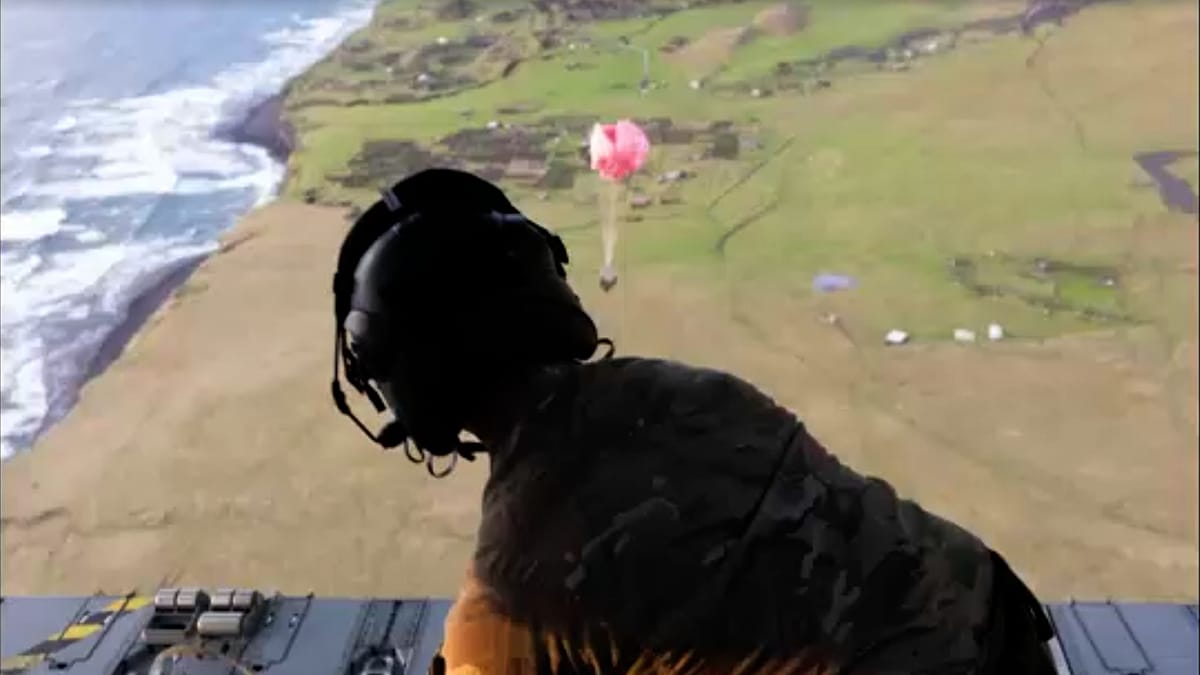
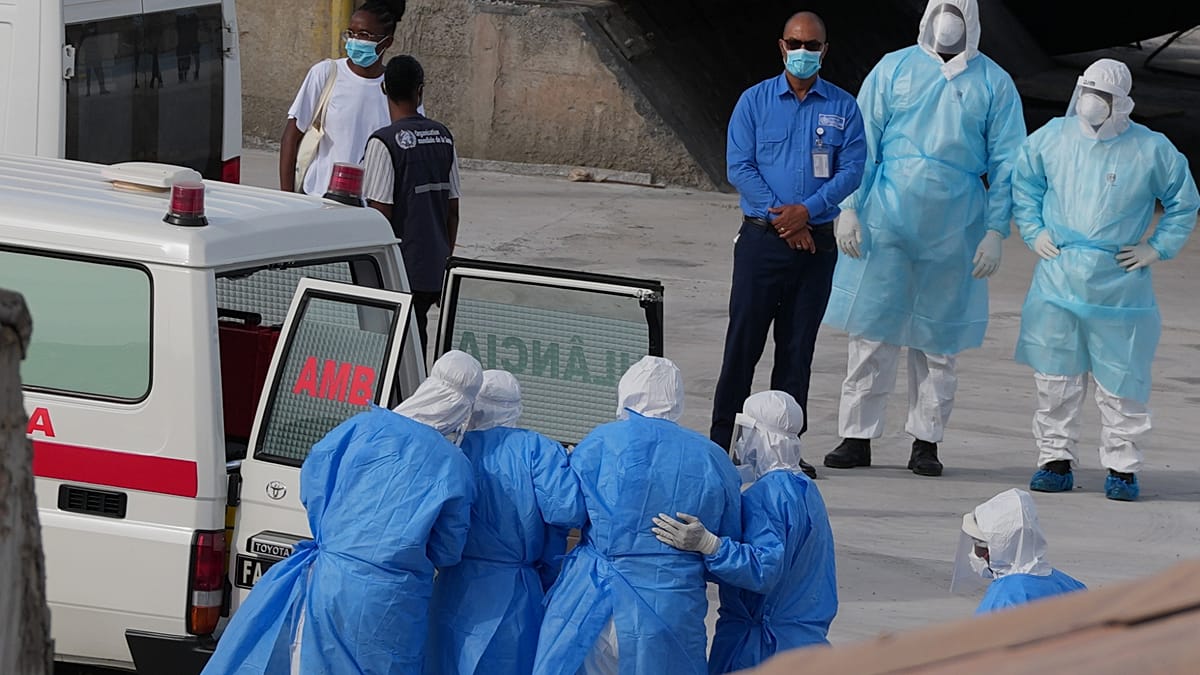
For European readers, the relevance is clear: hantavirus cases have appeared on cruise ships docking in the Canary Islands and Cape Verde, prompting evacuations and quarantines across the continent. The UK military air-dropped medics to Tristan da Cunha over a hantavirus scare, and Tenerife residents remained calm as a hantavirus-linked cruise ship docked. As the virus continues to circulate, understanding its long-term consequences becomes essential for public health planning.