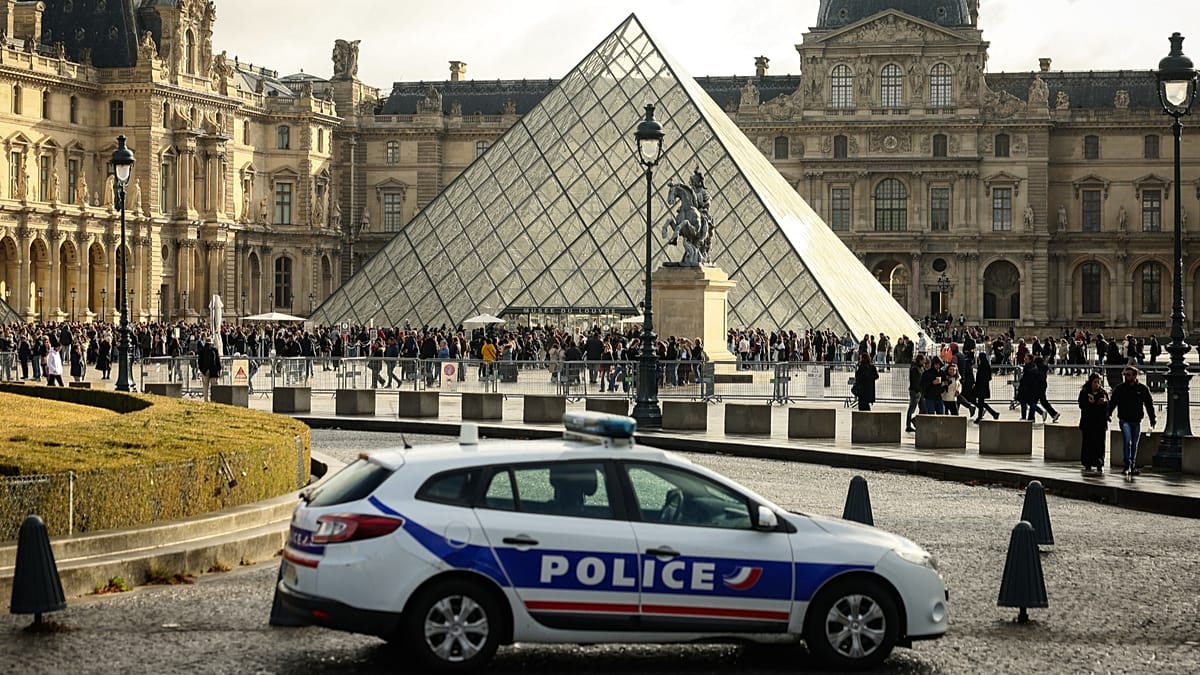
Two men accused of orchestrating one of the most audacious art thefts in recent European history have given investigators their most detailed account yet of the operation that stripped the Louvre's Galerie d'Apollon of eight pieces of French crown jewellery. According to transcripts of interrogation hearings held in June, reviewed by Le Monde, the suspects—identified as Abdoulaye N. and Ghelamallah A.—claim they were recruited by an unnamed organiser just days before the heist and paid between €15,000 and €25,000 for their role.
The theft, which took place on 19 October 2025, involved a boom lift disguised as maintenance work, power tools to cut into display cases, and a getaway on motorbikes. The haul, valued at roughly €88 million, included tiaras, necklaces, earrings, and brooches once worn by French queens and empresses. During the escape, the Crown of Empress Eugénie was dropped and later recovered near the museum.
Recruitment and Execution
Abdoulaye N. told investigating judges that the organiser showed them video footage of the gallery in advance and instructed them to smash display cases and take as much jewellery as possible. “I knew I was going to rob the Louvre,” he admitted. Ghelamallah A., however, claimed he thought they were targeting “a jewellery store where they make jewellery in Paris” rather than the world's most visited museum.
The pair entered the gallery at approximately 09:30 local time. “When we got in, there was no one there, it was dark, only the lights in the display cases were on,” Abdoulaye N. recalled. “In the distance, I could see security moving around, behind a door, or something.” Within eight minutes, they escaped on motorbikes.
The stolen jewels were handed over to the alleged organiser shortly afterwards, who was reportedly unimpressed with the take. “He thought we could have taken more,” Abdoulaye N. said.
Fear of Reprisals
Neither man has revealed the identity of the organiser. Both cite fear of reprisals. “They're no choirboys,” Ghelamallah A. told investigators. “I wasn’t threatened, but I received calls from outside [while in detention]. They told me to keep quiet.”
The case highlights the growing sophistication of art theft networks operating across Europe, often involving low-level recruits paid modest sums for high-stakes jobs. Similar patterns have emerged in other high-profile heists, such as the Ibiza DJ Hugo Bianco case, where alleged masterminds used intermediaries to shield themselves from prosecution.
The Louvre has since tightened security protocols, but the incident has raised questions about the vulnerability of even the most guarded cultural institutions. The French Ministry of Culture has declined to comment on ongoing investigations.