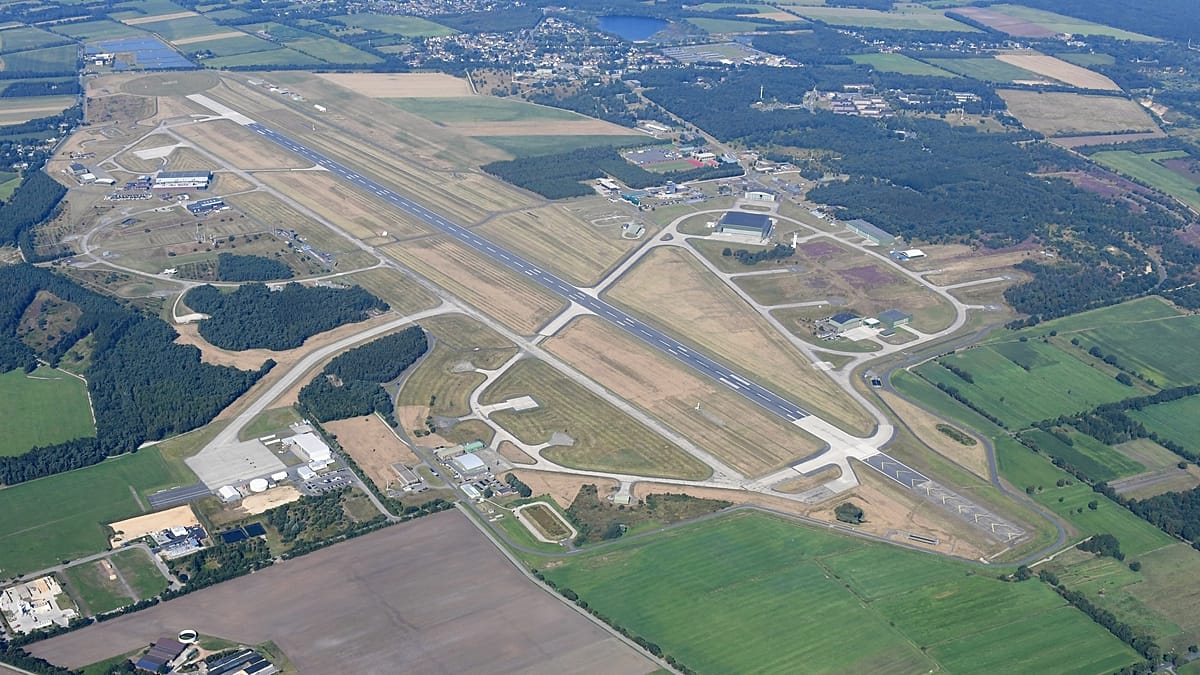
During excavation work at the Nordholz naval air base in Lower Saxony, a remarkable relic from the Second World War has emerged: a nearly intact Sturmgeschütz III (StuG III) assault gun, hidden beneath sandy soil for more than eight decades. The discovery, made in April 2026 and publicly confirmed in mid-May, has drawn attention from military historians and the public alike.
According to public broadcaster NDR, citing the Federal Agency for Real Estate (BImA), the tracked vehicle was found by excavator operators. The StuG III was the most widely produced fully tracked vehicle of the Wehrmacht, distinguished from conventional tanks by its lack of a rotating turret. Instead, its gun was fixed within the superstructure, requiring the entire vehicle to be turned for aiming.
Exceptional Preservation and Historical Context
The Military History Museum of the Bundeswehr (MHMBw) has confirmed that the vehicle is in exceptionally good condition, largely thanks to the sandy ground that protected it from corrosion. The shape of the gun mantel indicates it is a later variant of the type, offering insights into the final stages of the war.
The mystery of how the assault gun ended up underground has been resolved. According to the district archaeology office in Cuxhaven, as reported by NDR, the Allies disposed of the vehicle after the war by driving it into a former defensive trench and covering it with sand. Such trenches and bomb craters were commonly used at the time to discard military equipment.
The Bundeswehr recovered the roughly 20-tonne vehicle on 1 June 2026. It remains at the air base for examination, including checks for hazardous substances and the permanent deactivation of its main weapon.
Future Display and Broader Implications
From August, the StuG III will be transported to the German Tank Museum in Munster for conservation and initial public display as a so-called ground find. In the longer term, it is slated to be shown at the Military History Museum of the Bundeswehr in Dresden. This discovery echoes other recent finds, such as the 159-million-year-old bear-dog skull unearthed in Catalonia, highlighting how construction and archaeology can unexpectedly reveal the past.
Ground radar images suggest that further relics from the final days of the war may still lie in the former tank trench at the site, possibly including an aircraft. This raises the prospect of additional discoveries that could deepen our understanding of the war's end in northern Germany.
The find also resonates with contemporary debates about military heritage and memory. As Europe grapples with its past, such artifacts serve as tangible reminders of the continent's turbulent history. In a related vein, the donation of a gift pistol by Ursula von der Leyen to a Belgian military museum underscores the ongoing dialogue about how to handle historical military objects.
For now, the StuG III at Nordholz offers a rare glimpse into the material culture of the Wehrmacht, preserved by chance and now set to become a public exhibit. Its journey from a buried war relic to a museum piece reflects the enduring effort to document and interpret Europe's complex past.