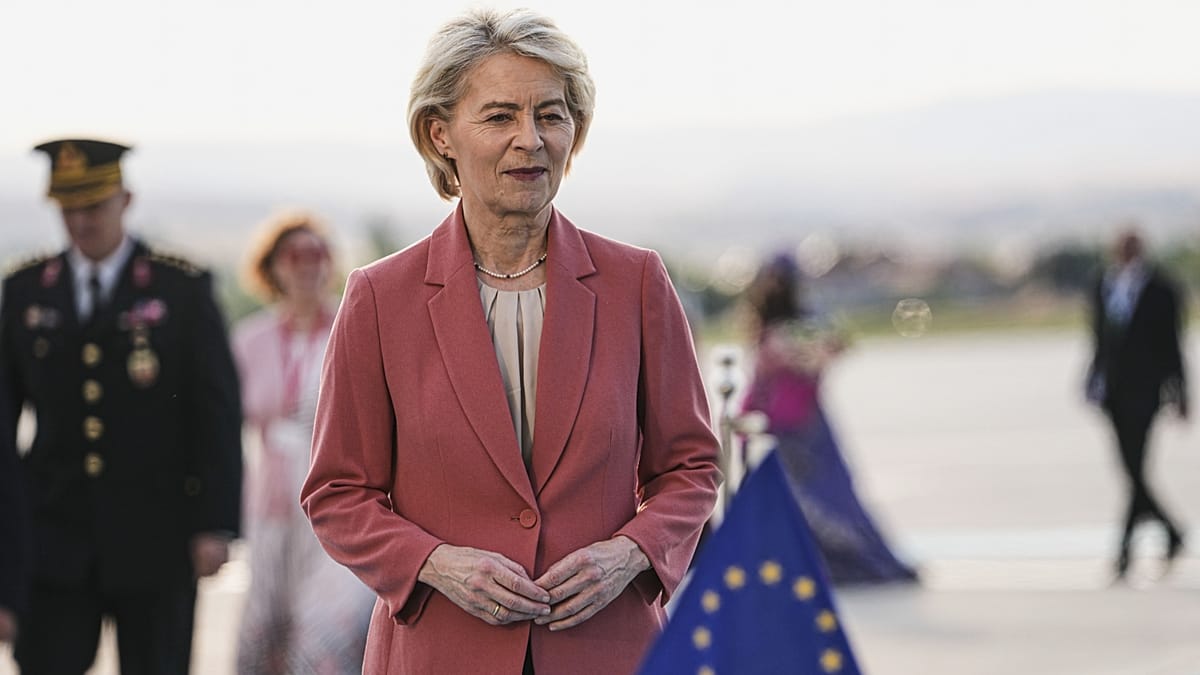
European Commission President Ursula von der Leyen has decided to donate a personalised pistol received from Turkish President Recep Tayyip Erdoğan to a military museum in Brussels, following its decommissioning. The gift was presented at the conclusion of the annual NATO summit in Ankara on Wednesday, where von der Leyen and European Council President António Costa attended a working dinner with Erdoğan.
Deputy Chief Spokesperson Olof Gill confirmed that von der Leyen expressed her gratitude to the Turkish leader for the present. “The firearm will be securely transported and stored, and once decommissioned, it is the intention of the president to donate the firearm to a military museum,” Gill stated in response to a query from Euronews. The weapon must be rendered incapable of firing live rounds before it can be legally handled in Belgium.
Legal and Security Protocols
A European Council official clarified that Costa's pistol would be imported in accordance with Belgian law. The firearm will be “decommissioned and stored” following the security requirements of the General Secretariat of the Council. Importing a live firearm into Belgium without proper authorisation is illegal, a factor that influenced the handling of the gifts.
Outgoing UK Prime Minister Keir Starmer, who also received a similar pistol, chose to leave his weapon in Turkey for decommissioning. He noted that Erdoğan had given each leader a pistol engraved with their name, accompanied by a box of ammunition and a note waiving Turkish export controls. Starmer explained that importing a live firearm into the UK would be unlawful, prompting his decision.
The incident highlights the delicate protocols surrounding diplomatic gifts, especially those involving weapons. The European Commission's move to donate the pistol to a museum aligns with standard procedures for handling such items, ensuring they do not pose security risks or legal complications.
This episode comes amid broader discussions on EU-Turkey relations, which were a key topic during the dinner. The leaders addressed defence, migration, mobility, trade, and industrial policy, reflecting the complex ties between Brussels and Ankara. For more context on the dinner's tensions, see Von der Leyen and Erdoğan Face Tense Dinner Amid EU-Turkey Rift.
The decision to donate the pistol also underscores the EU's commitment to transparency and legal compliance. Unlike some international leaders who might keep such gifts, von der Leyen's choice to place it in a museum ensures public accountability. The museum's identity has not been disclosed, but it will likely be a Belgian military institution.
This is not the first time diplomatic gifts have sparked scrutiny. In a related story, former US President Donald Trump faced questions over a jet gifted by Qatar, as reported in Trump Sends New Qatari-Gifted Jet to UK, Flies Old Air Force One from Turkey. Such cases highlight the varying standards across nations for handling valuable presents from foreign leaders.
The NATO summit itself focused on defence burden-sharing, with von der Leyen and NATO Secretary-General Mark Rutte urging European members to increase their contributions. For more on that, see Von der Leyen and Rutte Urge European NATO Members to Shoulder More Defence Burden.
As the pistol makes its way to Brussels, the episode serves as a reminder of the intricate rules governing diplomatic exchanges. The European Commission's approach—thanking the donor while ensuring legal and security standards—reflects a balanced protocol that other EU institutions may follow.