Brazil's president, Luiz Inácio Lula da Silva, has secured a fourth term in office, defeating challenger Flávio Bolsonaro in a runoff that saw the leftist leader take 51.8% of the vote. The margin of victory was nearly 4.4 million votes, a result that defied pre-election polls and halted a conservative wave that had swept several South American nations, including Argentina, Chile, Colombia, and Peru, often with the backing of US President Donald Trump.
Bolsonaro, a senator and son of former far-right president Jair Bolsonaro, immediately rejected the outcome. In a brief address in Brasília, he called the result "impossible to recognise" and announced he would request the annulment of the election. His complaint centred on a last-minute decision to extend voting by two hours in some regions, a move he described as a "dirty trick" and "unacceptable". The extension had been requested by Lula's campaign after reports that buses had been withdrawn from circulation in several cities, potentially preventing citizens from reaching polling stations. Bolsonaro had also sought an extension in areas hit by heavy rains, but he argued the broader measure compromised the integrity of the vote.
A comeback after a first-round setback
Lula's victory is all the more remarkable given that he lost the first round of voting. No candidate had overturned a first-round defeat in Brazil's presidential elections since 1989, the first direct vote after the end of the military dictatorship. The left swung into action with mass rallies under the banner "Never Again Bolsonaro" and overhauled its social media strategy, helping to drive turnout up from 79% in the first round to 81% in the runoff.
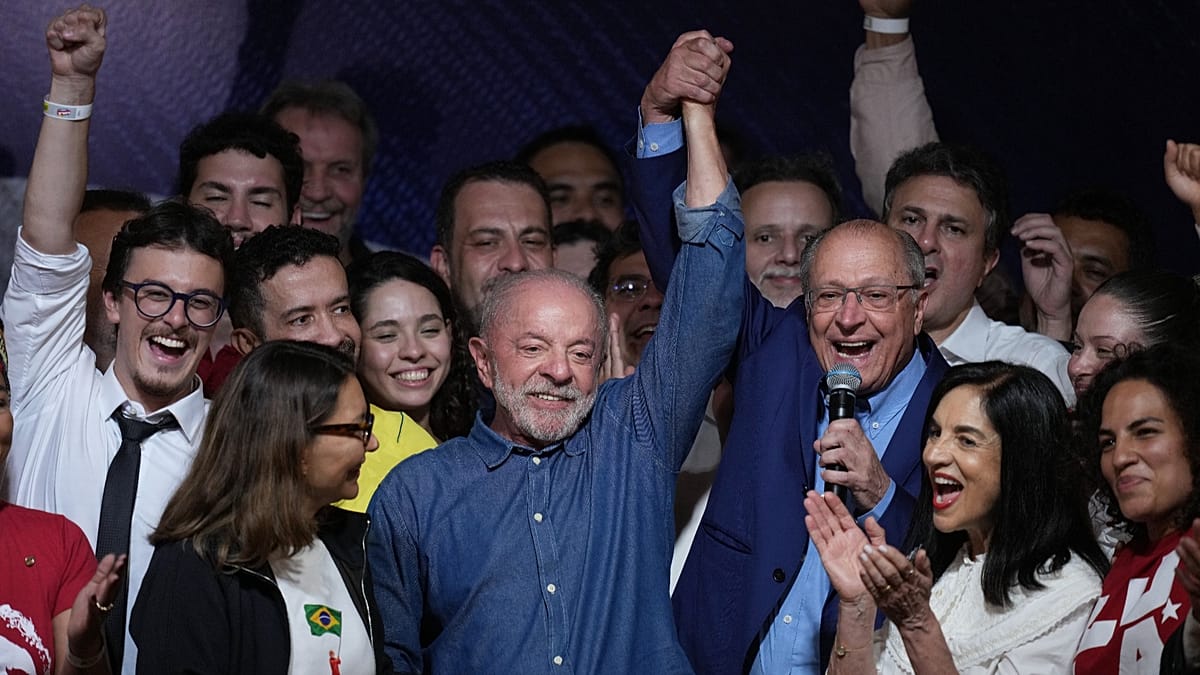
"People went to vote because we managed to convince them that voting was very important for ensuring democracy in the country," Lula said in his first remarks after the result was confirmed. Celebrations erupted across Brazil, with fireworks and vuvuzelas in Rio de Janeiro and thousands of supporters dressed in the red of the Workers' Party flooding the streets of São Paulo.
Lula's campaign leaned heavily on themes of national sovereignty, framing the election as a choice between independence and submission to external pressure, particularly from the Trump administration. "Either the homeland remains free, or we die for Brazil," he told supporters. "This country will not accept being anyone's backyard."
The result has implications beyond Brazil's borders. Latin America's largest economy is expected to continue resisting Washington's demands, even as the United States has imposed increased tariffs on Brazilian goods. Lula's victory bucks a regional trend of right-of-centre presidential candidates allied with Trump, and it may offer a counterweight to the influence of the United States in the region.
Bolsonaro's refusal to concede echoes the tactics of his father, Jair Bolsonaro, who is currently serving a 27-year prison sentence for attempting a coup after losing to Lula in 2022. The younger Bolsonaro's challenge now moves to the courts, where he will seek to have the results annulled. Legal experts, however, note that such challenges face a high bar and rarely succeed without evidence of widespread fraud.
Lula, who rose from poverty to become president in 2003 and was re-elected in 2006, made a dramatic return to office in 2022 after a corruption scandal that saw him jailed for over 18 months. Those charges were later annulled on procedural grounds. In his third term, he oversaw a drop in inflation and unemployment and lifted millions out of hunger, but many voters remained concerned about the high cost of living and crime.
With nearly half of the electorate having voted against him, Lula enters his fourth term facing a deeply divided nation. His ability to govern will depend on bridging that divide while navigating the pressures of a changing global order, where the United States under Trump has shown little patience for multilateralism. For now, the streets of Rio and São Paulo are celebrating, but the political battle is far from over.