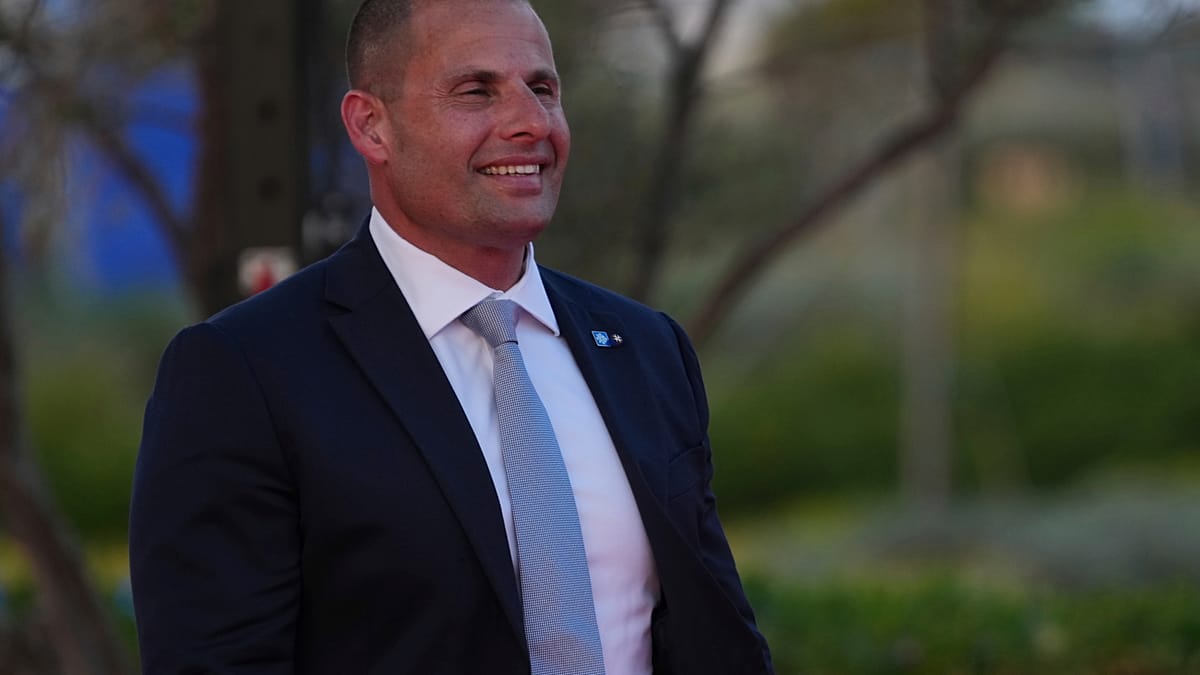
Maltese citizens cast their ballots on Saturday in a snap general election called by Prime Minister Robert Abela, whose Labour Party is widely expected to secure a fourth consecutive term. The vote comes amid a backdrop of robust economic performance and persistent concerns over institutional corruption.
Abela has staked his campaign on the island's economic record: Malta, the European Union's smallest member state, posted the bloc's fastest GDP growth at 4% last year. Inflation remains low, unemployment is negligible, and electricity and fuel prices are the lowest in Europe—a status maintained for the past decade. The government has also allocated an additional €250 million in subsidies to shield households from the fallout of the Middle East conflict.
Economic Stability vs. Corruption Allegations
Opinion polls place Abela comfortably ahead of his main rival, Alex Borg of the Nationalist Party. Borg, a 30-year-old lawyer, is seeking to become the country's youngest leader. Yet despite the economic successes, Malta faces serious challenges: environmental degradation, a foreign-driven construction boom, and deep-seated state corruption. The Council of Europe has issued a highly critical report on institutional corruption, and the EU has formally warned Malta over the issue.
Political analyst Andrew Azzopardi argues that many citizens prioritise financial security over political scandal. “We were poor, and under Labour we are rich,” said 72-year-old Conny Pace, wearing a sequined hat in Labour's red outside a polling station in Valletta. Charmaine Kitcher, 33, said she was voting “for stability, not change” and expected a high turnout. “Maltese are fanatics. Politics is second only to religion,” she added.
The election is being closely watched across Europe, as Malta's experience mirrors broader tensions between economic performance and governance standards. The island's economy relies heavily on tourism, online gaming, and financial services—sectors that have drawn scrutiny from EU regulators. In a related development, Cyprus recently held its own parliamentary elections, where similar debates over corruption and economic management played out.
Abela's administration has managed to insulate the small Mediterranean island from global crises, particularly the immediate consequences of the conflict in the Middle East. However, critics argue that the government's focus on short-term stability has come at the cost of long-term reforms. The snap election itself—called two years early—has been interpreted as an attempt to capitalise on favourable economic conditions before potential headwinds.
As polling stations close, the outcome is expected to reinforce Labour's dominance, but the underlying issues of corruption and environmental sustainability are unlikely to disappear. The EU's warnings and the Council of Europe's report suggest that Malta's governance challenges will remain a point of contention in Brussels.