In the Upper Austrian town of Braunau am Inn, best known as the birthplace of Adolf Hitler, archaeologists have unearthed a mass grave site containing the remains of at least 120 individuals. The discovery, made after a girl found a bone while playing in March, has been described by experts as one of the most significant such finds in Central Europe in recent decades.
The site lies in the Ranshofen district. After the girl's mother alerted police, initial examinations confirmed the bone was human. Austria's Federal Monuments Office then launched a full archaeological excavation, which uncovered nine mass graves spread over an area of roughly 150 square metres. The skeletons were buried without apparent order, suggesting the dead were hastily interred.
Who were the dead?
Project leader Michaela Binder told the Kronen Zeitung that the find is "unique in the whole of Central Europe." Heinz Gruber of the Federal Monuments Office echoed that sentiment, calling it "an absolute exception" in more than 20 years of professional experience.
Preliminary anthropological analysis indicates the remains are predominantly those of young men aged between 15 and 25. No gunshot wounds have been found, but one skeleton shows evidence of a lower-leg amputation shortly before death — a possible sign of medical treatment under battlefield conditions. Researchers believe the men died during the French Wars (1792–1815), likely in a military hospital or field camp, and were buried together. Further DNA and isotope studies are expected to reveal their origins, diet, and causes of death.
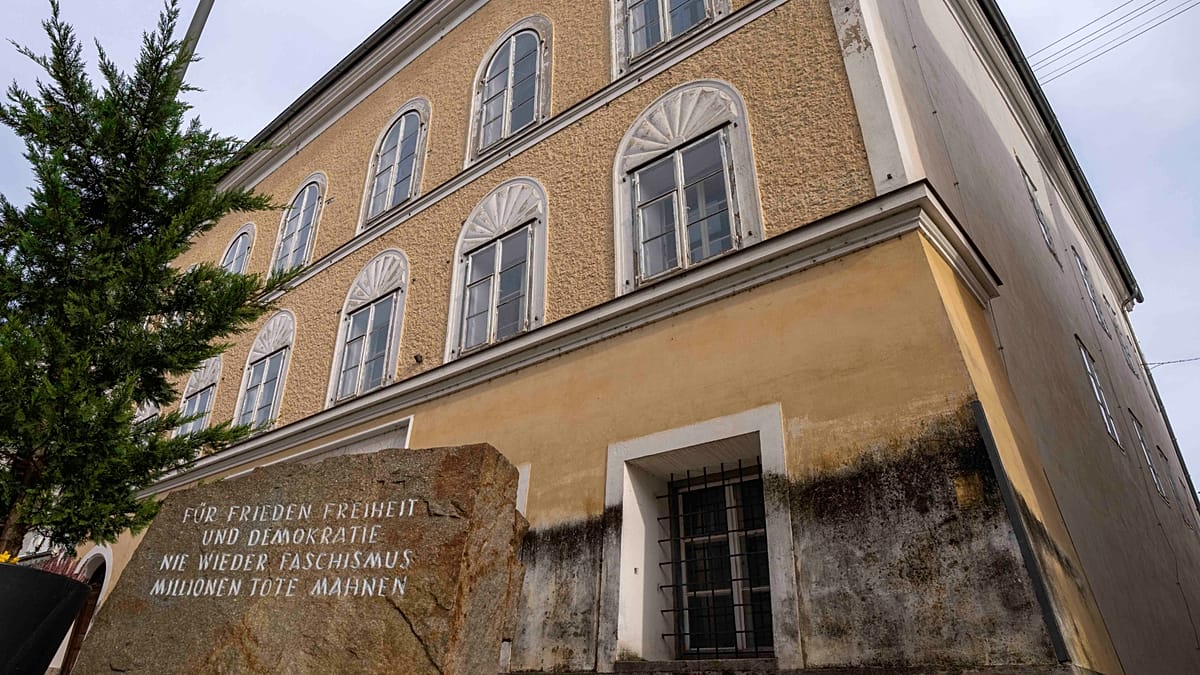
This could be one of the largest mass grave sites from the Napoleonic Wars known in Central Europe. Such finds are extremely rare and offer valuable insights into the lives and deaths of young soldiers at the start of the 19th century. The discovery has no connection to National Socialism — the burials occurred decades before Hitler was born — but its location in Braunau am Inn, where the dictator's former birth house now houses a police station, has drawn additional attention.
For context, recent research has shown that heat, not rainfall shortage, now drives Europe's droughts, a reminder of how historical events and modern environmental challenges both shape the continent. Meanwhile, the spread of AI jobs beyond tech roles across major European economies underscores the region's evolving economic landscape, far removed from the wartime conditions that created these graves.
The excavation in Braunau am Inn is a stark reminder of Europe's layered history, where even a child's play can uncover traces of a continent's turbulent past.