At the Cannes Lions festival, where the global marketing industry convenes each year to debate the next big shift, artificial intelligence once again dominated the agenda. But according to new research from McKinsey & Company, the gap between AI adoption and tangible business results remains wide — and anxiety among marketing professionals is running high.
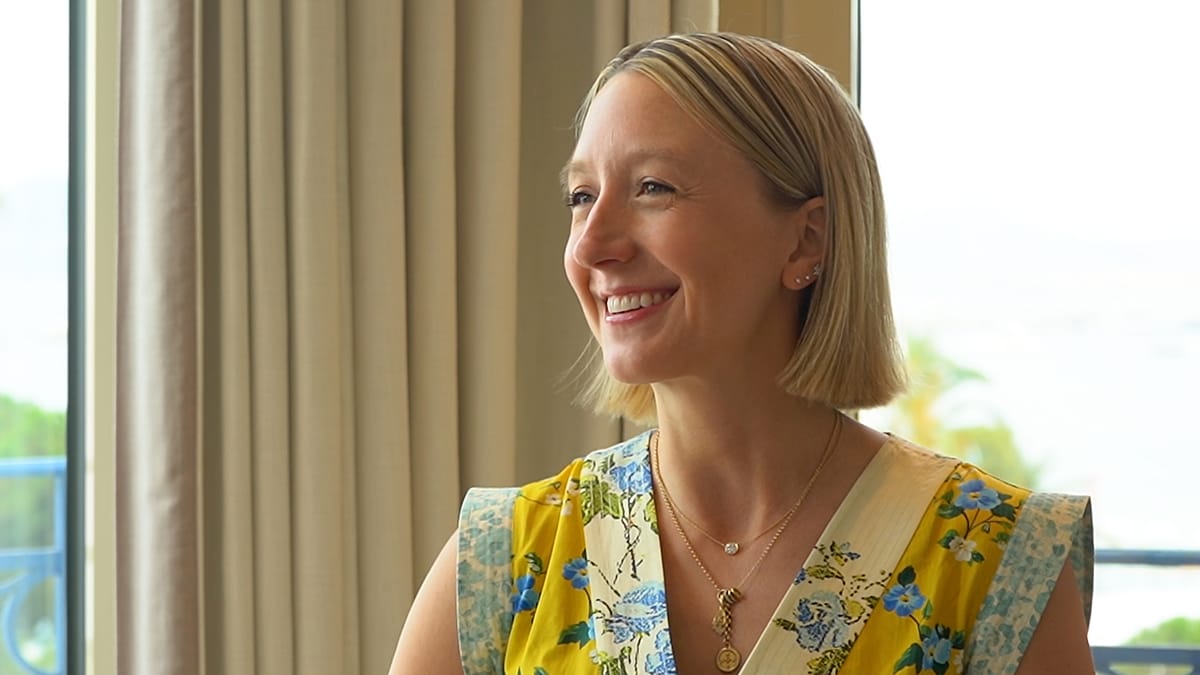
McKinsey Senior Partner Kelsey Robinson presented findings from a survey of over 500 marketers and interviews with senior leaders, published during the festival under the title From anxiety to advantage: A marketing organisation that thrives with AI. The data reveals a paradox: while 88% of companies now use AI and 86% of marketers say they are excited about its potential, 57% report feeling anxious about its impact on their roles. Among chief marketing officers (CMOs), the figures are even starker: 96% are excited, but 71% are anxious, and a striking 80% worry about their jobs.
Usage vs. value: a disconnect
Robinson highlighted a core disconnect: “Lots of companies are using AI. 88% of companies are using AI. When we ask marketers, over 60% of them are saying that they’re using it multiple times a week. But then less than 10% of those companies say they’ve actually really seen value capture from it.” This gap between usage and business impact, she argued, is a central challenge for marketing leaders across Europe and beyond.
The anxiety is not limited to specific roles. “Some people might say, ‘Is copywriting something that feels like it will be replaced sooner?’ They were just as anxious as folks who were thinking on the creative breakthrough ideation,” Robinson noted. “I was surprised by the lack of variation by role. And then also, to have the head leader, a CMO, I didn’t expect their personal anxiety and fear to actually be higher than some of the folks on their teams.”
From efficiency to growth
Robinson’s key advice for CMOs navigating this landscape is to reframe the narrative around AI. “You really have to have a narrative that isn’t just about efficiency,” she said. “AI came in … with a very big focus on productivity and efficiency, which reads as ‘we are saving money, we are cutting,’ which I think is a reality and actually a benefit of AI. But leading companies realise they can’t just focus the narrative on an AI transformation that leads to cost cutting. You have to have a growth aspiration.”
She pointed to personalisation as an area where AI can unlock real revenue uplift — a promise the industry has chased for 15 years. “We are at a point where we can really realise that in a new way. That should drive growth, real growth, revenue uplift. But a lot of companies are still very focused on this as an efficiency play.”
Robinson also urged marketers not to wait for perfect data. “A big conversation since last year — I remember last year in Cannes — was ‘our data is not good enough, we really need to shore up the foundation before we can make progress with AI.’ Sure, but there is actually value to be captured now.” Leading organisations, she said, are taking a two-speed approach: showing value in areas like customer support or personalisation while continuing to improve data foundations.
The findings resonate across Europe, where marketing teams in cities from London to Berlin are grappling with similar challenges. The Serviceplan CEO Haller recently argued that marketing is now central to the customer journey, a shift that AI both accelerates and complicates. Meanwhile, LEGO's Julia Goldin was named the first European CMO of the Year at Cannes Lions, underscoring the continent's growing influence in marketing leadership.
Robinson’s message is clear: the path from anxiety to advantage requires leaders to embrace AI not as a cost-cutting tool but as a catalyst for growth — and to communicate that vision to their teams. “They want to be a part of growth, they want to be a part of rewriting that next chapter of marketing, not just ‘how can I cut costs?’”