Michelin, the tyre manufacturer turned arbiter of culinary excellence, has ventured into wine ratings with its new Michelin Grape Selection. But the launch has been anything but smooth. Within days of the guide's release, one Burgundy estate publicly rejected its award, casting doubt on the credibility of the entire enterprise.
Domaine Arnoux-Lachaux, a well-known producer in the Côte de Nuits, was awarded one Michelin grape—the lowest tier in a three-level ranking system. The estate promptly issued a statement on social media declaring that it had not sought the distinction and did not understand how the rating was established. Since 2020, the domaine has deliberately refrained from submitting its wines for press reviews or ratings.
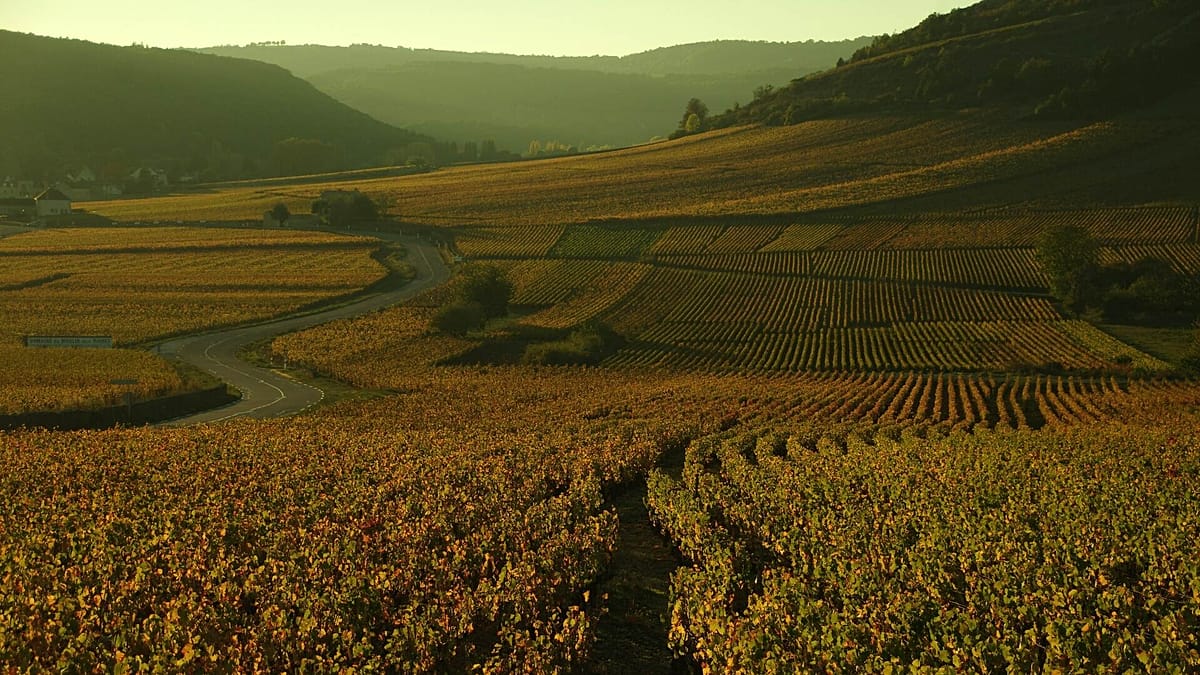
The rebuff has put Michelin's assessment process under immediate scrutiny. The company's new guide does not evaluate individual vintages but instead judges estates on the quality and consistency of their wines, vineyard and cellar practices, and their ability to express terroir. The first edition covered three Burgundy subregions—Côte de Beaune, Côte de Nuits, and Côte Chalonnaise—and awarded grapes to 94 estates.
A Question of Independence
Lydia Coudert, fifth-generation co-owner of Vignobles Coudert in Bordeaux, sees potential in Michelin's guide as a marketing tool for wineries struggling with a downturn. Bordeaux, which Michelin plans to cover next, is facing overproduction, falling prices, and declining demand for red wines. France recently expanded a vine-uprooting (arrachage) programme to reduce surpluses, and many estates are turning to tourism to stay afloat.
“It’s a new tool in our pocket,” Coudert told European Pulse. But she added that Michelin's credibility hinges on the integrity of its tastings. “The difficulty is actually how independent the tasting will be, how [anonymous] the bottles will be. I hope they will do something ethical.”
Michelin's expansion into wine comes after criticism over changes to its restaurant awards. Earlier this year, the company discontinued its Green Star for sustainability, upsetting chefs who had earned the accolade. It was replaced by an editorial platform called “Mindful Voices,” which features sustainability stories in food, wine, and hospitality.
The controversy also echoes broader tensions in the wine industry. Many producers are wary of external ratings that can make or break reputations, especially when the methodology is opaque. Domaine Arnoux-Lachaux's rejection is a reminder that not all winemakers seek the kind of validation Michelin offers.
For now, Michelin's grape guide remains a work in progress. The company has not commented on the domaine's withdrawal, but the incident has already sparked debate among wine professionals and enthusiasts across Europe. Whether the guide gains traction will depend on how Michelin addresses these early missteps—and whether other estates follow Arnoux-Lachaux's lead.