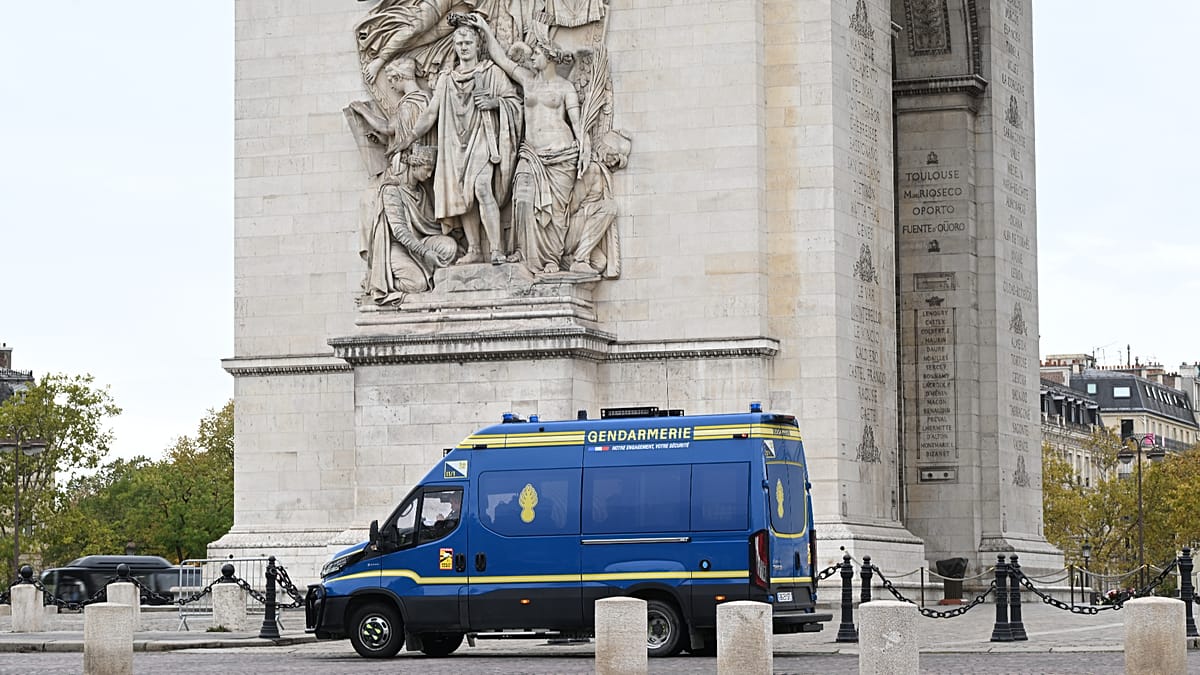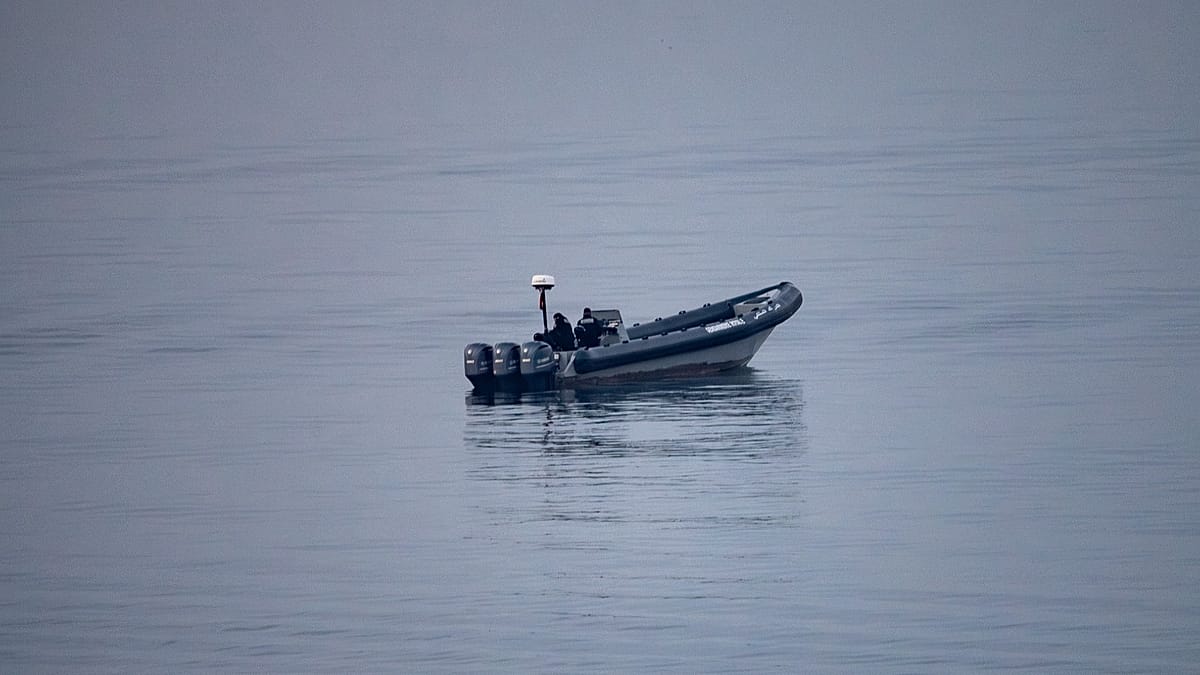
As the European political season resumes after the summer break, migration has forcefully re-entered the EU's policy debate. Speaking at a reception for journalists in Brussels on Monday evening, a senior EU diplomat said the issue is "very much back on the agenda," underscoring the urgency created by the dramatic events at the Spanish enclave of Ceuta in July, when some 80,000 migrants attempted to cross from Morocco.
The Ceuta episode has become a springboard for renewed discussions on border security and external relations. Juan Jesús Vivas, the enclave's leader, was in Brussels on Tuesday to press the EU's top leadership for a permanent deployment of Frontex, the EU's border agency, as well as the EU's asylum agency. He also requested financial support for border fortification with Morocco. More pointedly, Vivas called for a firmer EU stance toward Rabat, citing leaked police reports that suggest Moroccan authorities facilitated the mass crossing. His position is notably more confrontational than Madrid's cooperative approach, a divergence that highlights the internal tensions within the EU over how to handle migration pressure from its southern neighbourhood.
Spain's former foreign minister, Arancha González Laya, described the Ceuta incident as a "hybrid attack" using migration as a weapon, a characterization that resonates with those who see migration as a tool of geopolitical coercion. The EU's response will likely shape its broader strategy toward North Africa in the coming months.
Diplomatic tensions with Russia and beyond
In a separate development, Hungary ordered ten Russian diplomats to leave the country on Tuesday, citing "unacceptable activities." Foreign Minister Anita Orbán stressed that this does not mean a severance of diplomatic relations, but Moscow has promised a "harsh and painful" response. The move adds to the already fraught EU-Russia relationship, which has been further strained by espionage incidents across the bloc. Romania, for instance, arrested a Russian national suspected of involvement in a foiled sabotage operation, accused of photographing military installations and NATO bases.
Meanwhile, EU ambassadors are making another attempt to secure Slovakia's agreement to renew sanctions on nearly 3,000 individuals and entities linked to Russia's war in Ukraine. The proposed extension would run for 12 months, aligning with economic sanctions, but Slovakia has vetoed the move, demanding the removal of oligarchs Alisher Usmanov and Mikhail Fridman from the blacklist. A bilateral meeting between Slovak Prime Minister Robert Fico and Irish Prime Minister Micheál Martin, whose country holds the EU Council's rotating presidency, is scheduled for Thursday and could pave the way for a compromise. The current sanctions expire on 15 September, leaving little time for a resolution.
EU and allies take tougher line on Israeli settlements
On the Middle East, twelve countries, including France, the UK, and several EU members, have called on Israel to implement a two-state solution and have committed to restricting trade with illegal Israeli settlements in the occupied West Bank. French Foreign Minister Jean-Noël Barrot explained that the West Bank is "on the brink of explosion" due to unchecked colonization and settler violence. British Foreign Secretary Ed Miliband went further, accusing "settler terrorists" of "ethnic cleansing," a strong condemnation from the UK government.
Israel responded by closing the British Consulate in Jerusalem and banning a dozen British nationals from entering the country. Foreign Minister Gideon Sa'ar dismissed Miliband's remarks as "outrageous lies." The EU has already sanctioned 12 individuals and nine entities linked to extremist settler violence, and the European Commission reiterated that settlements are illegal under international law, with additional proposals under discussion.
As the EU navigates these multiple crises, the return of migration to the top of the agenda signals a shift in priorities. The bloc's ability to balance security concerns with humanitarian obligations and diplomatic relations will be tested in the coming weeks. With the State of the Union address next week, Commission President Ursula von der Leyen is expected to outline her vision, and migration is likely to feature prominently.