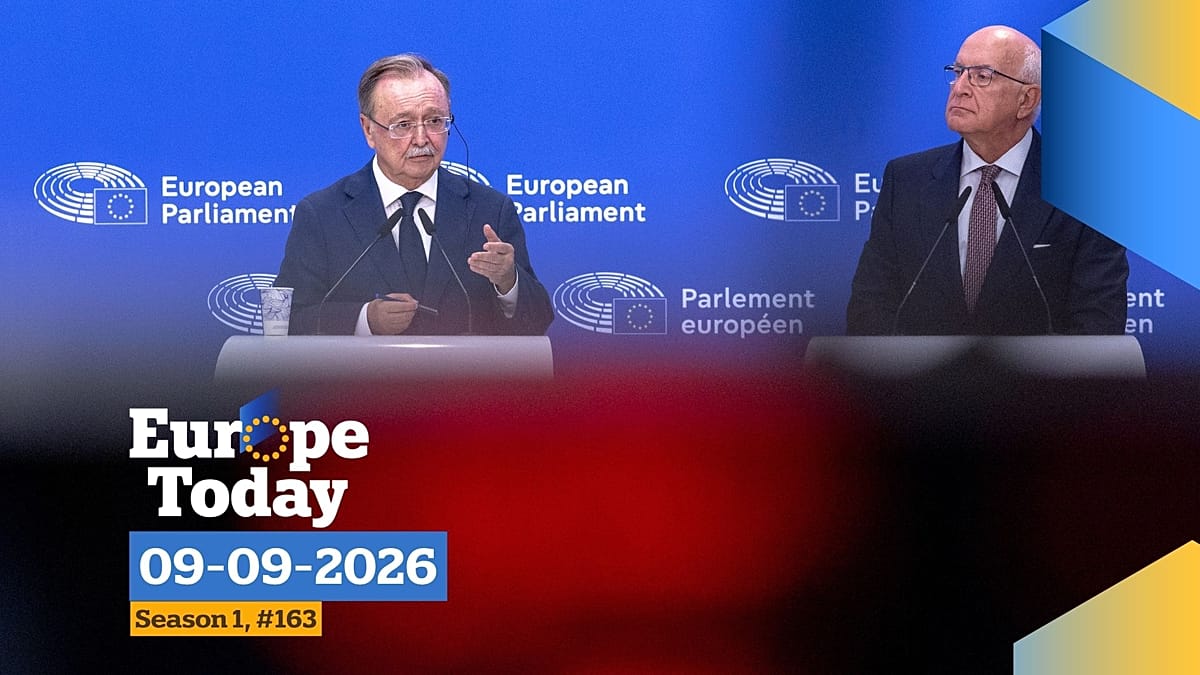
The mayor of Ceuta, Juan Jesús Vivas, has renewed his appeal for European Union assistance as the Spanish enclave on Morocco's northern coast continues to grapple with the aftermath of a mass border crossing. Last month, an estimated 80,000 people entered Ceuta illegally, overwhelming local services and exposing the limits of a city that has long been a focal point of migration pressures on Europe's southern flank.
In an interview with Europe Today, Vivas stressed that Ceuta cannot manage such crises alone. "We are the external border of the European Union, and we need the Union to act as such," he said. His remarks come as Spain's top court has opened a criminal investigation into the events surrounding the surge, adding legal scrutiny to an already tense political situation.
A test for EU solidarity
The crisis has reignited debates about burden-sharing among member states. Arancha González Laya, Spain's former foreign affairs minister, told Europe Today that the incident underscores the need for a coordinated EU migration policy. "Ceuta is not just a Spanish problem; it is a European one," she said. "The response must be collective, combining border management with development cooperation in origin countries."
Vivas has specifically called on Brussels to confront Morocco over its role in the border opening, a demand that echoes earlier appeals from the enclave's leadership. The Moroccan government has denied any deliberate policy to encourage the crossing, but the sheer scale of the influx suggests a degree of official tolerance, at least initially.
The humanitarian dimension is also pressing. Thousands of migrants camped on beaches and streets, and reports of a dolphin calf killed on a beach where migrants had set up camp have drawn attention to the environmental and social fallout. Animal welfare groups have filed complaints, highlighting the collateral damage of the crisis.
Hungary's diplomatic crackdown
In a separate development, Hungary has expelled 10 Russian diplomats, a move that Foreign Minister Péter Szijjártó described as necessary due to "unacceptable" activities. The expulsion, reported by Europe Today's Sándor Zsíros, marks a rare public rupture in Budapest's generally cordial relations with Moscow. While Szijjártó did not specify the nature of the activities, the decision aligns with a broader European trend of tightening scrutiny on Russian diplomatic missions.
Hungary's action comes amid heightened concerns about Russian hybrid threats across the continent. Berlin has announced plans for a digital shield to counter such interference, and Latvia has become the first EU state to ban Russian and Belarusian print imports. The expulsions also follow a pattern of European responses to Russian espionage, with several countries having expelled diplomats over the past year.
The timing is notable: Hungary has often been seen as a Kremlin-friendly voice within the EU, opposing sanctions and maintaining close energy ties. This move may signal a recalibration, though analysts caution against overinterpreting a single action. "It's a significant step, but Hungary's overall posture toward Russia remains complex," said one EU diplomat, speaking on condition of anonymity.
Broader European context
Both stories highlight the challenges facing the EU on its external and internal fronts. The Ceuta crisis tests the bloc's ability to manage migration humanely while securing borders, a perennial issue that has strained relations between member states. Meanwhile, the expulsion of Russian diplomats underscores the ongoing friction with Moscow, which has intensified since the full-scale invasion of Ukraine.
As the EU navigates these issues, the role of institutions like the European Commission and the European Parliament becomes crucial. MEPs have recently moved closer to ending the Article 7 procedure against Hungary, a process that was initiated over concerns about rule of law. That development, combined with Budapest's diplomatic move, suggests a nuanced relationship between Hungary and the EU.
For Ceuta, the immediate needs are clear: additional funding for reception facilities, enhanced border surveillance, and a diplomatic strategy to engage Morocco. Vivas has called for a permanent EU mechanism to support frontline member states, arguing that ad hoc responses are insufficient. "We cannot be left to face this alone every time," he said.
As Europe looks ahead, the twin pressures of migration and geopolitical rivalry will likely persist. The responses to these challenges will define the EU's credibility as a union of solidarity and resolve.