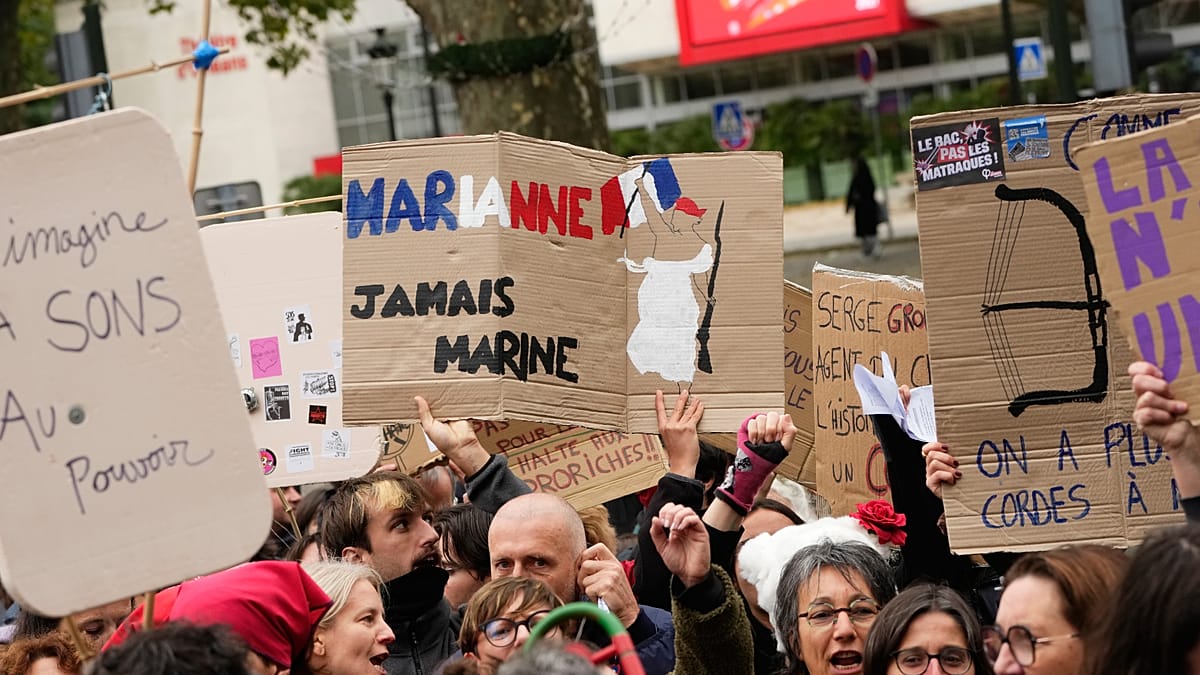
Thousands of demonstrators took to the streets of Orléans on Saturday to voice their opposition to the National Rally (RN), which is holding its national congress in the city ahead of Marine Le Pen's anticipated presidential campaign launch. The protest, called by around 50 political parties, trade unions, and associations, aimed to challenge what they described as "racism, fascism and imperialism."
Among the marchers were Bally Bagayoko, the La France insoumise (LFI) mayor of Saint-Denis, Socialist Party leader Olivier Faure, and Sophie Binet, head of the CGT union. Authorities had estimated the turnout at between 20,000 and 30,000 people.
Defending democratic values
Speaking upon arrival in Orléans, Bagayoko said, "We have come to tell the far right, looking them straight in the eye, that we are not afraid." He rejected suggestions that the protest was intended to provoke violence, insisting that participants were defending freedom and democratic values. The mayor also accused the RN of spreading hateful rhetoric and criticized President Emmanuel Macron for not doing enough to curb the party's growing influence.
The demonstration unfolded against a backdrop of heightened tensions in France following a deadly attack in Trappes, west of Paris, on Friday, which left one person dead and five others injured. Bagayoko drew a connection between the spread of hateful rhetoric, particularly on social media, and the attack. Authorities are investigating the alleged racist motivation behind the shooting.
Heavy security presence
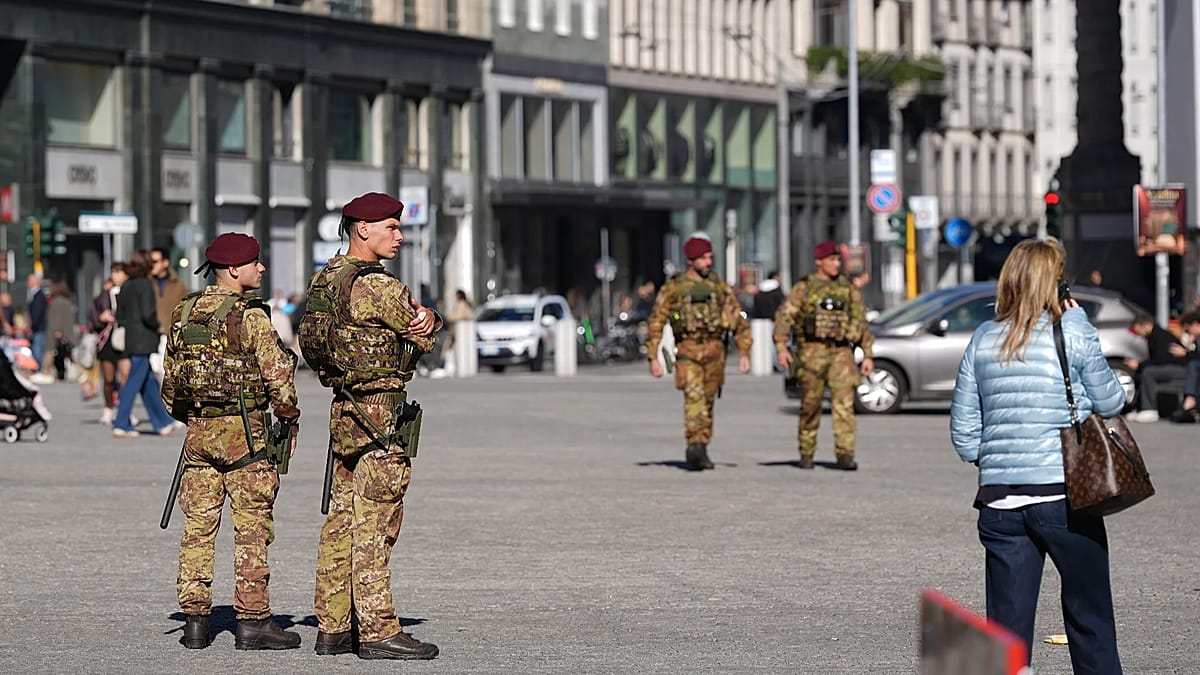
Nearly 3,000 police officers and gendarmes were deployed across Orléans amid fears of clashes between protesters and far-right supporters. Armoured vehicles, helicopters, and drones were also mobilized, while several businesses boarded up their windows and public transport services were suspended. The city's mayor, Serge Grouard, imposed a nighttime curfew for children under 15 for the weekend.
The RN expects thousands of supporters at its two-day congress, where party president Jordan Bardella is expected to secure another term as leader. The gathering will culminate on Sunday with a major rally marking the launch of Marine Le Pen's campaign for the 2027 presidential election. The event is intended to demonstrate the party's strength as Le Pen seeks to consolidate her position ahead of next year's vote.
This protest comes as France grapples with political polarization and social unrest. Earlier this year, France braced for new protests over a Paris route dispute, and the government has faced repeated challenges to its authority. The country's economic outlook remains fragile, with France's economy contracting again as eurozone growth slows, adding to the public's discontent.
The RN's rise has been a central theme in French politics, with the party making significant gains in recent elections. Le Pen's campaign for the Élysée is expected to focus on immigration, security, and national identity, issues that have resonated with a segment of the electorate. However, opponents argue that the party's platform threatens the country's democratic values and social cohesion.
As the congress continues, the eyes of Europe are on Orléans, where the battle for France's political future is being played out. The outcome of the 2027 presidential election will have profound implications not only for France but for the entire European Union, as the bloc faces its own challenges from nationalist and far-right movements.