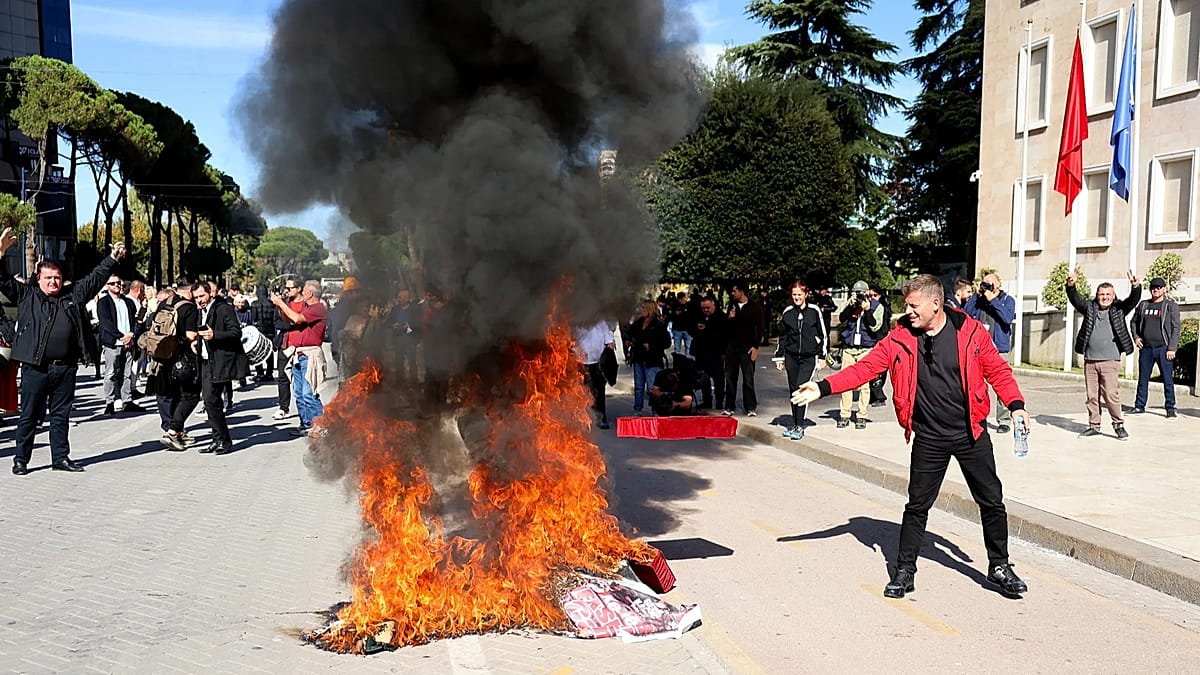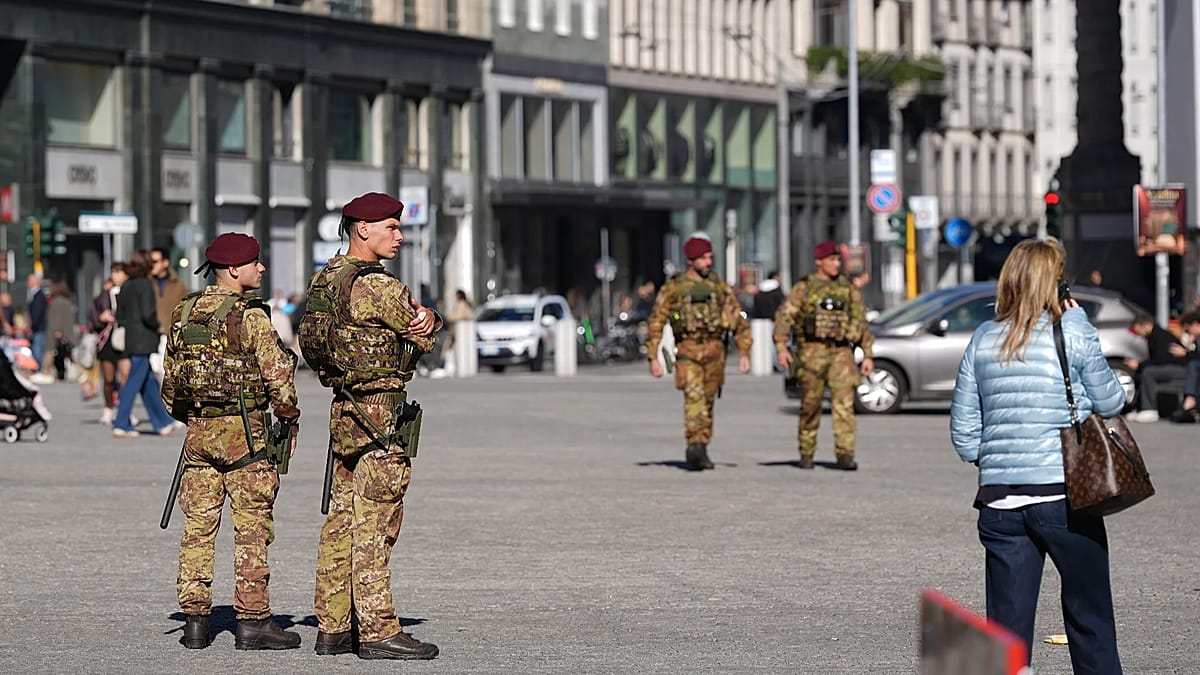
Italian authorities have mobilised hundreds of additional troops and tightened security in major urban centres as a fresh wave of demonstrations sweeps the country, raising concerns of renewed violence after clashes in Milan last weekend. The government of Prime Minister Giorgia Meloni has ordered 500 extra soldiers to Milan, supplementing the security forces already stationed in the Lombard capital.
Protests are scheduled in Milan, Rome, Turin, Naples, and several other cities, with demonstrators voicing anger over rising living costs, stagnant wages, increased military spending, and the government's policy agenda. The mobilisation comes just days after violent unrest on 17 and 18 October, when clashes with police, vandalism, and looting caused extensive damage in Milan's city centre.
Heightened security measures
In addition to the troop deployment, authorities have introduced drone surveillance, increased checks at railway stations, and set up rapid-response units to prevent disorder. Police conducted more than 150 searches on Saturday morning across Milan, Monza, and around 20 other cities as part of investigations into last weekend's violence. The searches reportedly targeted individuals suspected of involvement, including students and minors.
Interior Minister Matteo Piantedosi has suggested that the earlier disturbances were coordinated, and investigators are examining messages exchanged in online groups ahead of the latest demonstrations. The newly formed "17 October Movement," linked to the recent mobilisation, announced that previously advertised protest locations had been cancelled and that new meeting points would be communicated shortly before the marches. This has complicated security preparations, with police warning of the possibility of spontaneous gatherings in various parts of the country.
Nationwide demonstrations
In Rome, protesters are gathering for a national demonstration under the slogan "Keep Italy out of the war," opposing military involvement and increased defence spending. In Turin, students and activist groups have called for a march against rearmament, rising fuel prices, and the cost of living, while also demanding better access to housing, education, and healthcare. In Naples, demonstrators are mobilising against economic hardship and rising prices.
Thousands are expected to march in Castel Volturno, near Naples, against plans to establish a migrant detention and repatriation centre. Religious organisations, charities, migrant groups, and agricultural workers are among those supporting the protest. Other demonstrations are planned in Genoa, Bologna, Florence, Padua, and Verona, reflecting a broad range of grievances across the country.
The unrest in Italy echoes similar protests elsewhere in Europe, as French police fired tear gas in Lyon during cost-of-living demonstrations, and Madrid saw pension protests as part of a weekend of European rallies. The Italian government's response, including the deployment of elite units and drones, mirrors measures taken in France, where 70,000 officers were deployed to secure protests.
Government under pressure
The latest mobilisation comes a week after violent clashes in Milan and Turin prompted the government to announce tougher security measures. Police said around 2,000 young people took part in the earlier unrest, which resulted in 45 arrests, including 34 minors. Meloni has condemned the violence and pledged a tougher response to attacks on police officers and businesses.
The unrest has also renewed debate over economic inequality, social exclusion, and the government's approach to public order. Authorities remain concerned that Saturday's demonstrations could bring together student movements, trade unions, and more radical activist groups, increasing the risk of further confrontations. The situation is being closely watched across Europe, as France braces for new protests amid similar tensions.