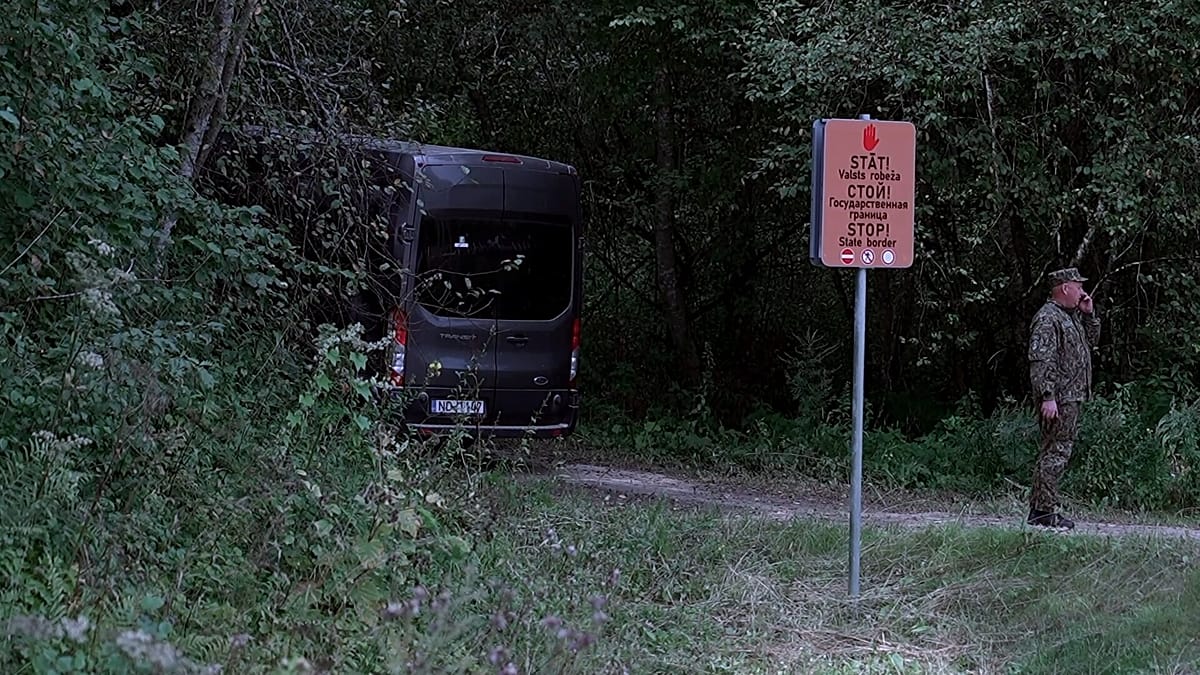
NATO forces are conducting military exercises approximately 30 kilometres from Russia's border in Lithuania, as European leaders sound the alarm over a series of drone incursions into Baltic airspace. The drills, involving troops and equipment from several member states, are designed to test rapid deployment capabilities and reinforce the alliance's eastern flank.
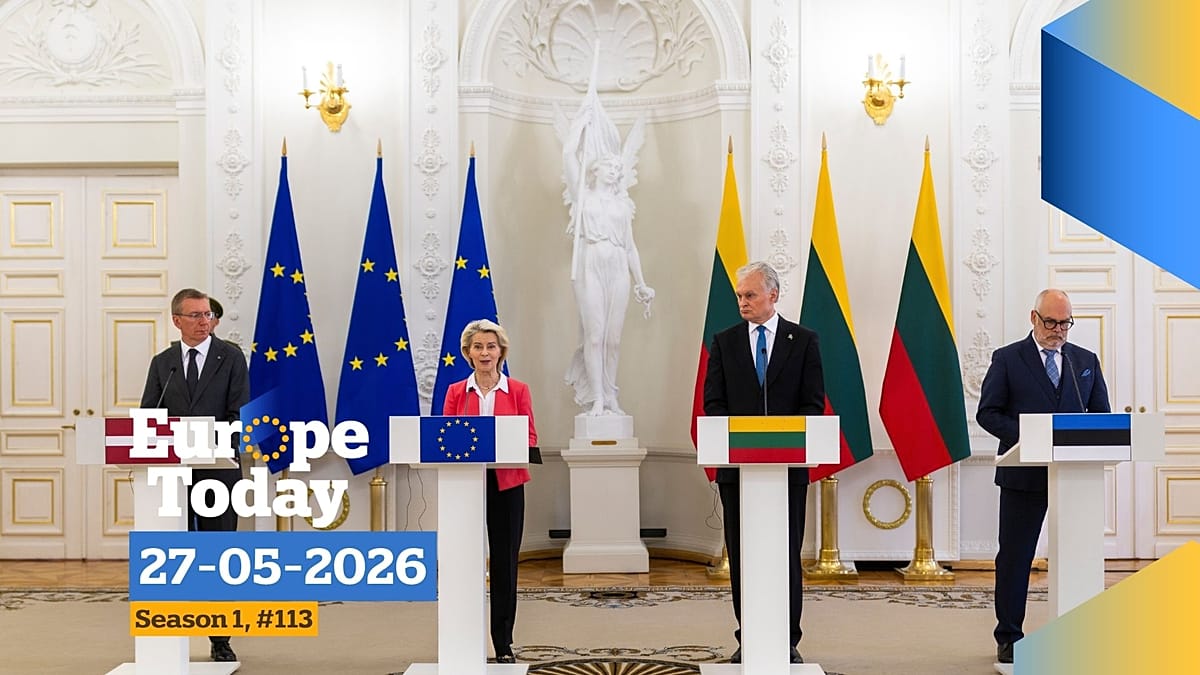
Speaking during a visit to Vilnius, European Commission President Ursula von der Leyen described the recent drone activity as part of a broader pattern. "These are not isolated incidents," she said, pointing to what she called a deliberate hybrid strategy by Moscow. Her remarks come amid growing concern in Tallinn, Riga, and Vilnius over unmanned aircraft crossing into their airspace from Russian territory.
Von der Leyen's Warning on Hybrid Tactics
Von der Leyen's comments align with a detailed analysis of Baltic drone incursions published earlier this week. The Commission president stressed that such actions test NATO's response mechanisms and aim to destabilise the region without triggering a full-scale military confrontation. She called for enhanced surveillance and counter-drone capabilities across the union.
The exercises near the border come as NATO allies review their posture in the wake of Russia's full-scale invasion of Ukraine. Lithuania, which shares a border with the Russian exclave of Kaliningrad, has been a vocal advocate for a stronger permanent presence of allied troops on its soil.
Broader European Security Context
The drills and drone warnings are part of a wider security landscape that includes intensified Russian drone attacks on Ukrainian cities. In Kharkiv, residential areas have been hit repeatedly, underscoring the Kremlin's willingness to use unmanned systems against civilian infrastructure. European defence officials note that the same technology could be employed against NATO members.
Estonia has also urged the EU to avoid direct talks with Russia, warning of a "neutral mediator" trap that could legitimise Moscow's aggression. Tallinn's position reflects a broader Baltic consensus that engagement should only follow concrete de-escalation steps.
Other Stories in Today's Europe Roundup
In Madrid, Euronews correspondent Rafael Salido reports on a corruption case involving former Spanish Prime Minister José Luis Rodríguez Zapatero. The investigation has reignited debates about accountability in Spanish public life.
From Athens, Fay Doulgkeri covers the launch of a new political party by former Greek Prime Minister Alexis Tsipras. The left-wing leader is seeking to return to power after his Syriza party lost the last general election.
An interview with Carlo Buontempo, Director of the Copernicus Climate Change Service, highlights the intensifying heatwaves across Europe. Buontempo warned that without rapid emissions cuts, extreme temperatures will become more frequent and severe.
Interviews with Alain Berset, Secretary General of the Council of Europe, and Benjamin Haddad, French Minister for European Affairs, also feature in today's programme, offering perspectives on institutional reform and Franco-German relations.