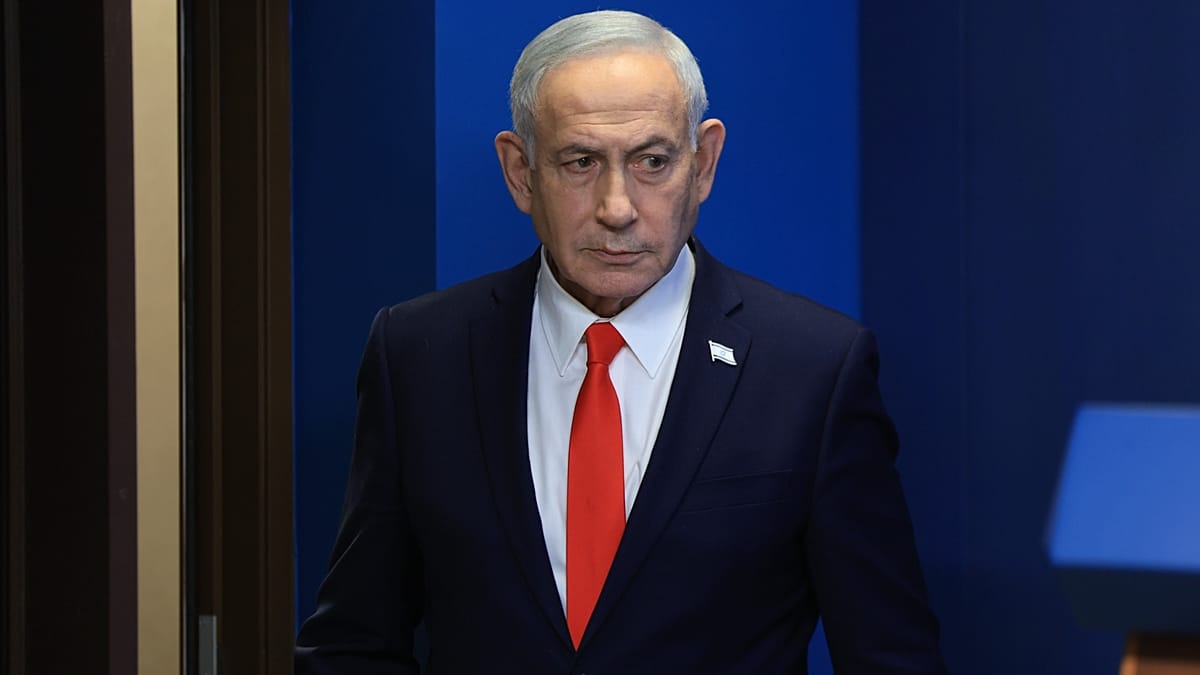
Israeli Prime Minister Benjamin Netanyahu has formally rejected the US-brokered ceasefire plan for Gaza that Hamas accepted, deepening a rift with Washington and complicating efforts to end the conflict. At a cabinet meeting in Jerusalem, Netanyahu said the Israeli army would make "no withdrawal until Hamas is truly disarmed," effectively scrapping the roadmap presented by the Trump administration.
The plan, unveiled in late July, outlined a phased Israeli pullout from Gaza in exchange for Hamas surrendering its weapons to a nascent Palestinian governing body. Hamas, which recently selected Khalil al-Hayya as its new leader, announced its support for the plan and called on the United States to pressure Netanyahu to comply.
Netanyahu's rejection marks a significant break with President Donald Trump, whom he still described as "our greatest friend in the White House." However, he made clear he was willing to challenge the American president, saying, "They have ideas; some of them are acceptable to us, and some are not, and we know how to stand our ground on these matters."
Disarmament as a precondition
The core of the dispute is the sequencing of the ceasefire. The US plan proposed that Israel begin withdrawing forces in tandem with the disarmament process. Israel insists that any withdrawal is conditional on Hamas being "genuinely" disarmed first.
"Israel rejects the 15-point document," Netanyahu said during the cabinet meeting. "The Israeli army will carry out no withdrawal as long as Hamas is not genuinely disarmed and will continue to thwart threats against our forces and our citizens."
He added: "We are talking about real disarmament, not fictitious disarmament."
Bassem Naim, a member of Hamas's political bureau, told AFP: "We expect the mediators and the American guarantor to pressure Netanyahu and his government to adhere to the roadmap and not obstruct the process for internal political and electoral reasons."
The plan's implementation body, the so-called Board of Peace, had already backtracked after meeting Netanyahu last week, saying Israel would only need to withdraw after "complete" disarmament. But that concession was apparently not enough for the Israeli leader.
Growing friction with Washington
Netanyahu's rejection is the latest sign of tension between the two leaders. While Trump joined Netanyahu in late February in attacking Iran, they diverged when Trump sought a ceasefire with Iran in April, as the war sapped his popularity at home and sent oil prices soaring.
Netanyahu told his cabinet that "with an agreement or without an agreement, as long as I am prime minister, Iran will not have nuclear weapons," a goal he has long alleged Tehran is pursuing. The dispute over Iran has added another layer to the strained relationship.
Last week, Netanyahu also ordered fresh strikes on Lebanon in response to what Israel called a ceasefire violation by Iran-backed Hezbollah, just as Israel and Lebanon were holding US-mediated talks. The Gaza plan was the latest stage in a US-brokered ceasefire announced in October that has reduced but not ended Israeli operations in Gaza.
Trump had described the agreement by Hamas to surrender weapons as a "major milestone." But Netanyahu's right-wing base and far-right members of his cabinet have scorned the plan, with polls showing it is widely unpopular among them. Some have urged him to call a new vote to kill the plan altogether.
The standoff leaves the ceasefire in jeopardy and raises questions about the viability of the US-led peace effort. For Europe, which has been closely watching the conflict's impact on regional stability and migration flows, the breakdown is a worrying sign. The EU has repeatedly called for a sustainable ceasefire and a return to negotiations, but with Netanyahu now openly defying Washington, the path forward remains unclear.
As the situation develops, European diplomats are watching closely, aware that any escalation could have ripple effects across the Mediterranean and beyond. The coming weeks will test whether the US can bridge the gap between the two sides or whether the plan will collapse entirely.