Oil markets opened the week with a cautious retreat, as diplomatic efforts in Qatar raised hopes of easing the blockade on the Strait of Hormuz. Brent crude, the international benchmark, traded near $108.5 a barrel on Monday morning, down roughly 2.8% from Friday's close, while the US West Texas Intermediate fell 3% to under $100 a barrel.
The modest slide reflects a tentative shift in sentiment, but analysts warn that the underlying risks remain acute. The strait, a narrow waterway between Iran and Oman that normally carries about a fifth of the world's oil, has been heavily disrupted since the conflict escalated in late February.
Talks in Doha, but no breakthrough
Iranian Foreign Minister Abbas Araghchi said over the weekend, in an interview posted on Telegram, that the plan under discussion could see the strait reopened in as little as two days, provided Washington met a series of conditions. He stressed that Tehran was not holding direct talks with the US, and that the outcome would depend on how Washington answered Iran's questions.
Iranian officials have previously demanded an end to the US naval blockade of Iranian ports, the lifting of sanctions on its oil exports, and a halt to fighting on all regional fronts. These conditions remain a significant hurdle, and there were few signs of a concrete breakthrough behind the market move.
US President Donald Trump kept military options open, while Israeli Prime Minister Benjamin Netanyahu reportedly pressed him to strike Iran as soon as Americans had voted in Tuesday's midterm elections. According to Axios, Netanyahu urged Trump in a phone call on Saturday to resume strikes immediately after the vote, while Trump wants to give diplomacy more time. Trump described the call as "very good."
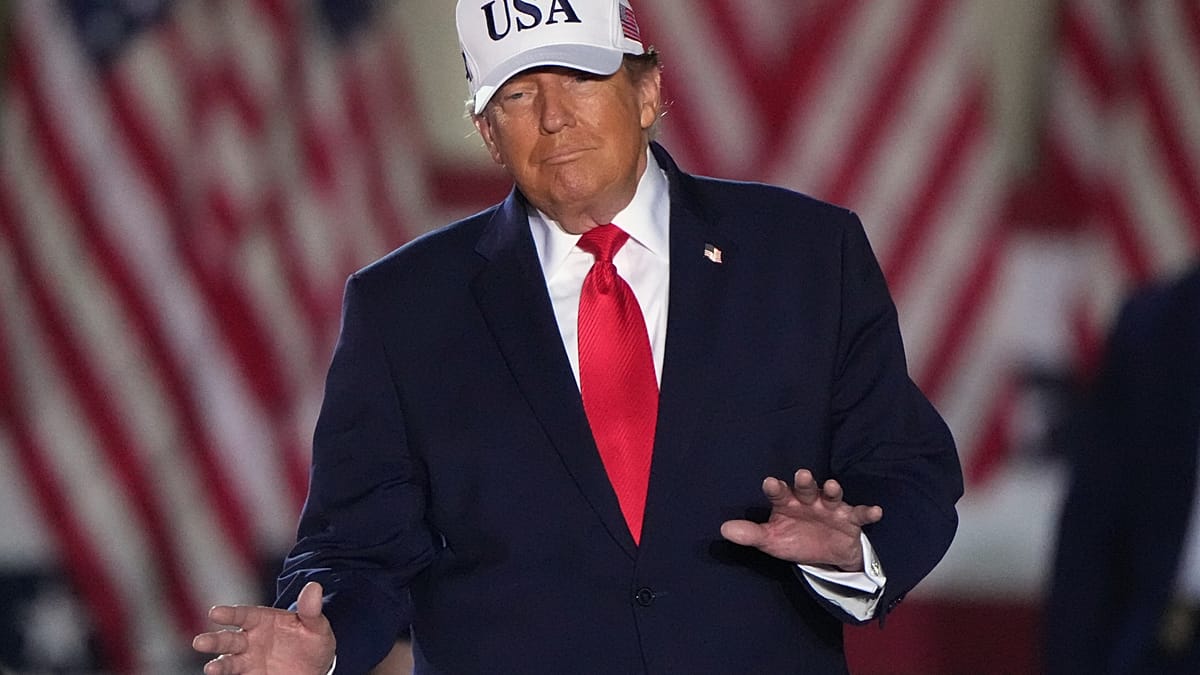
Speaking to reporters at a Halloween party at his Mar-a-Lago resort in Florida on Saturday night, Trump said the negotiations were "going fine," though he described the Iranians as "not very reliable." He added: "We're not in that much of a hurry from the standpoint that we've knocked out their navy, we've knocked out their air force." However, he noted that the US still had "to take care of, I would say, one or two sites," which could be done "in 10 minutes." Asked whether he expected to return to war this week, Trump replied: "Let's say I did. Would I tell you?"
US Secretary of State Marco Rubio also said on Saturday that no decision had been made on resuming military action. Last week, the Wall Street Journal reported that US Vice President JD Vance had written to Mohsen Rezaei, secretary of Iran's Supreme National Security Council, at Trump's direction to revive peace talks. Trump denied this, saying the outreach concerned medical supplies Iran needed.
Netanyahu is also fighting for his political future. His bloc won 53 of the 120 seats in the Knesset, Israel's parliament, in the 27 October election, short of the 61 needed for a majority, while the opposition bloc led by former army chief Gadi Eisenkot took 48. Netanyahu's Likud party has claimed, without evidence, that the vote was stolen.
War premium still priced in
Goldman Sachs said in an investor note on Monday that a geopolitical risk premium of around $27 a barrel "now explains most of October's crude price rally," which briefly took Brent to $118. The bank raised its forecast for Brent at the end of this year to $105 a barrel from $90, saying markets were putting more weight on the risk of escalation after the US midterms.
Supply risks also remain. The UK Maritime Trade Operations centre, which monitors shipping in the region, said on Sunday it had received a report of a projectile hitting a vessel in the Strait of Hormuz. That incident, along with the ongoing tensions, underscores the fragility of the current calm.
For European consumers and businesses, the stakes are high. A sustained disruption in the strait would push energy prices higher, feeding inflation and complicating the European Central Bank's efforts to tame price pressures. The bloc has been diversifying its energy sources, but the immediate impact of a Hormuz closure would be felt across the continent, from Berlin to Madrid.
As the midterm elections approach, the diplomatic window remains open, but the threat of military action looms. The coming days will be crucial in determining whether the talks in Doha can translate into a lasting reopening of the strait, or whether the region slides back into open conflict.