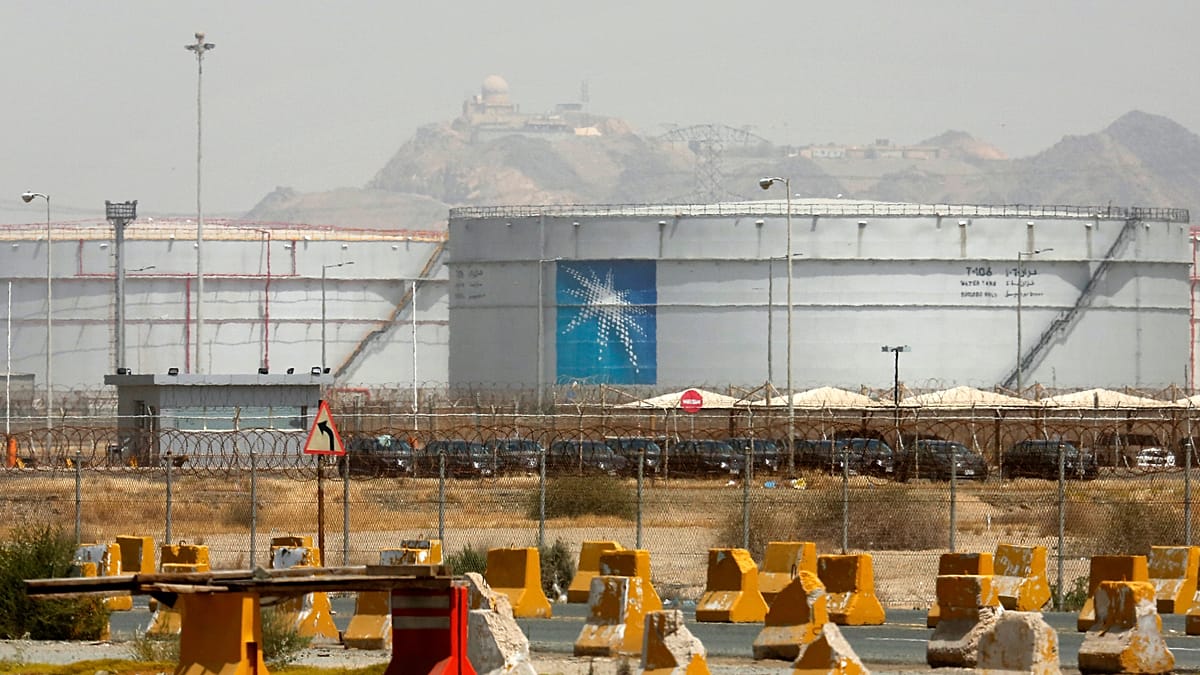
A group of seven OPEC+ producers, including Saudi Arabia, Russia, Iraq, Kuwait, Kazakhstan, Algeria, and Oman, agreed on Sunday to increase their combined oil output by 188,000 barrels per day in August. This marks the fifth consecutive month of modest supply additions as the alliance gradually reverses voluntary cuts first announced in 2023.
The decision comes as crude prices have fallen back to levels not seen since before the conflict with Iran erupted in late February. Brent crude, the international benchmark, traded below $72 per barrel on Sunday evening, a sharp decline from the March peak of nearly $120. The US benchmark West Texas Intermediate (WTI) was even lower, around $68.
Peace Optimism Drives Market Reversal
The price slide reflects growing optimism over a potential resolution to the Iran crisis. Under an interim memorandum of understanding, Iran agreed to allow unimpeded passage through the Strait of Hormuz, while Washington lifted its blockade of Iranian ports. However, negotiators in Doha are still working toward a final settlement, and Tehran recently warned that tankers deviating from approved routes would face a "forceful response". For more on the ongoing talks, see Iran Warns Ships on Hormuz Routes as Doha Talks Show Modest Progress.
Commercial traffic through the Strait of Hormuz, which carried roughly one-fifth of the world's oil before the war, has been recovering but remains well below pre-conflict levels. The gradual reopening is releasing a backlog of unsold barrels onto the market, amplifying downward pressure on prices beyond the official output increments.
Saudi Arabia and Russia will shoulder the largest share of the August increase, adding 62,000 barrels per day each. The group stressed in a statement that they will continue to monitor market conditions and reaffirmed the importance of a cautious approach, noting they can pause or reverse the increases if necessary.
Despite the recent price decline, energy analysts caution that the war's impact on fuel bills and household costs may persist well beyond a formal peace deal. S&P Global Energy does not expect Gulf oil production to recover fully until at least the first quarter of 2027. The seven producers are scheduled to meet again on 2 August.
For European consumers, the oil price drop could offer some relief at the pump, though the broader economic effects of the conflict—including disrupted supply chains and higher energy costs—continue to ripple across the continent. The European Union has been actively diversifying energy sources, but many member states remain vulnerable to global oil price volatility.