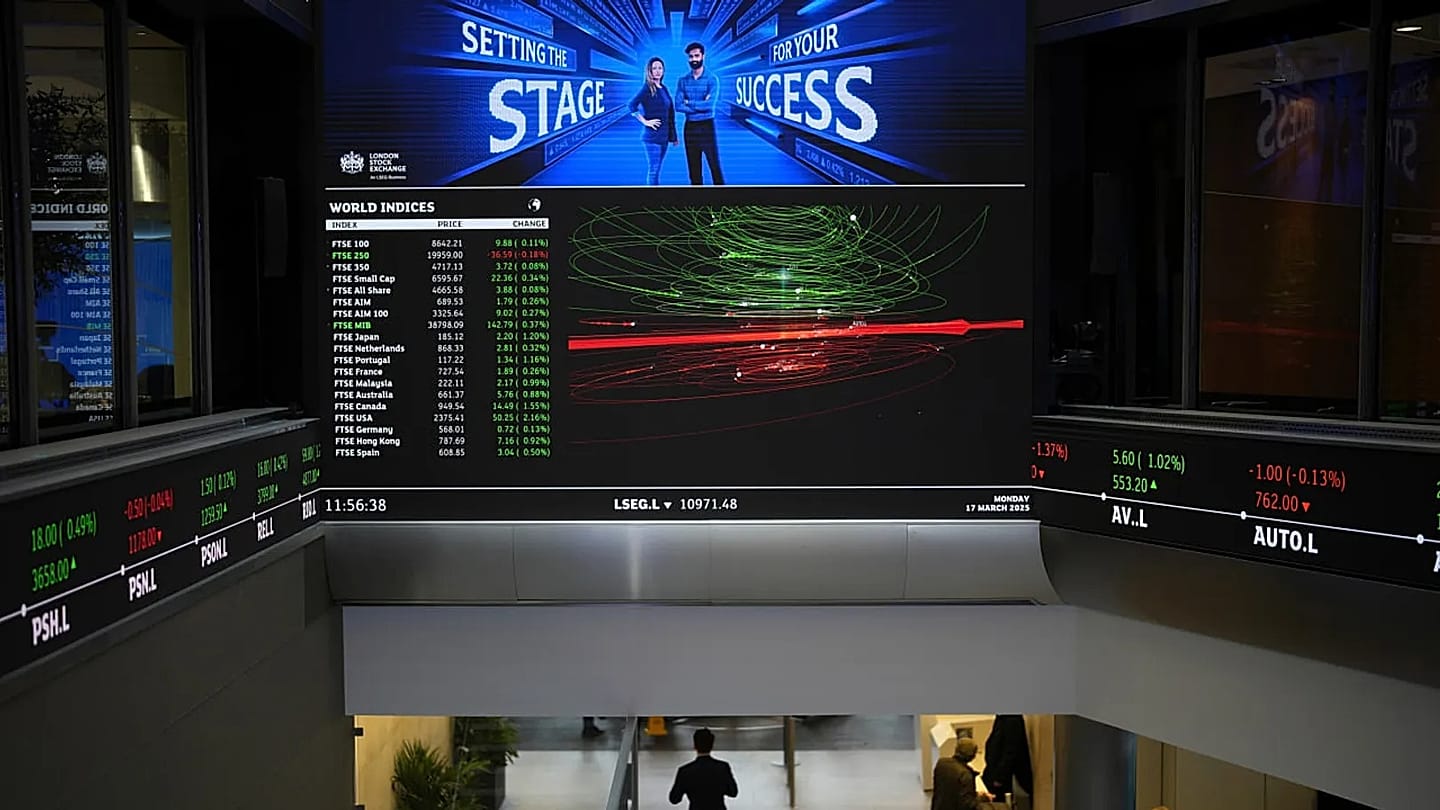
A record-breaking listing on the London Stock Exchange (LSE) is emblematic of a broader strategic pivot across European capital markets: moving beyond simple fundraising to cultivate deeper, more liquid secondary markets. The deal, involving Uzbekistan’s government and asset manager Franklin Templeton, has drawn attention from financiers and policymakers across the continent, from the City of London to the Bundestag.
Executives involved in the transaction argue that the shift reflects a maturing understanding of what makes a capital market truly functional. “It’s no longer just about how much money you can raise on day one,” said a senior LSE official. “The real test is whether those securities can be traded efficiently, with tight spreads and strong investor confidence, years down the line.” This perspective aligns with ongoing reforms in Brussels and national capitals aimed at completing the Capital Markets Union, a project that has gained urgency as European companies seek alternatives to bank lending.
Governance and Liquidity as Cornerstones
The Uzbekistan-linked listing, which marks one of the largest sovereign-related deals on the LSE this year, was structured to prioritise post-listing liquidity. Franklin Templeton, which manages a significant portion of the country’s assets, emphasised that transparent governance frameworks were a prerequisite for attracting long-term institutional investors from across Europe, including pension funds in the Netherlands and sovereign wealth funds in Norway.
“Without robust governance, liquidity is a mirage,” a Franklin Templeton representative noted. “Investors in Frankfurt, Paris, and Milan need to know that the rules of the game are clear and enforced.” The comment echoes concerns raised by the European Securities and Markets Authority (ESMA), which has repeatedly called for stronger enforcement of listing standards to prevent market fragmentation.
Uzbekistan’s government, for its part, sees the LSE listing as a template for its broader economic modernisation. By adhering to international disclosure standards and committing to regular reporting, Tashkent hopes to attract a wider base of European investors, moving beyond the traditional reliance on development finance institutions.
Implications for European Capital Markets
The deal comes at a time when European exchanges are competing fiercely for listings, with the LSE, Euronext in Paris and Amsterdam, and Deutsche Börse in Frankfurt all vying to host international companies. The shift in emphasis from primary issuance to secondary market depth could reshape how these exchanges market themselves. Instead of merely touting the volume of initial public offerings (IPOs), they are now highlighting metrics such as average daily turnover and bid-ask spreads.
This evolution is particularly relevant as the European Union pushes forward with its digital finance strategy, including the pilot regime for distributed ledger technology (DLT) market infrastructures. Deeper liquidity pools are essential for the success of tokenised securities and other innovative instruments that regulators hope will lower costs for small and medium-sized enterprises (SMEs).
However, challenges remain. The withdrawal of Binance from EU markets after failing to secure a MiCA licence has underscored the regulatory hurdles that global players face when trying to operate within the bloc’s framework. Meanwhile, the handover of the EU Council presidency from Cyprus to Ireland will shift attention to Dublin’s priorities, which include advancing the Capital Markets Union dossier.
For now, the LSE listing serves as a proof of concept. If the secondary market for these securities develops as hoped, it could encourage other emerging-market governments and corporations to list in London, Paris, or Frankfurt, further integrating Europe’s financial infrastructure with global capital flows.