Tehran has escalated rhetoric over the Strait of Hormuz, warning that any vessel deviating from routes approved by Iran will face an immediate and forceful response. The statement, issued Thursday by the Khatam al-Anbiya joint military command and carried by Iranian state television, comes just a day after US and Iranian diplomats concluded indirect talks in Doha with what mediators described as positive progress.
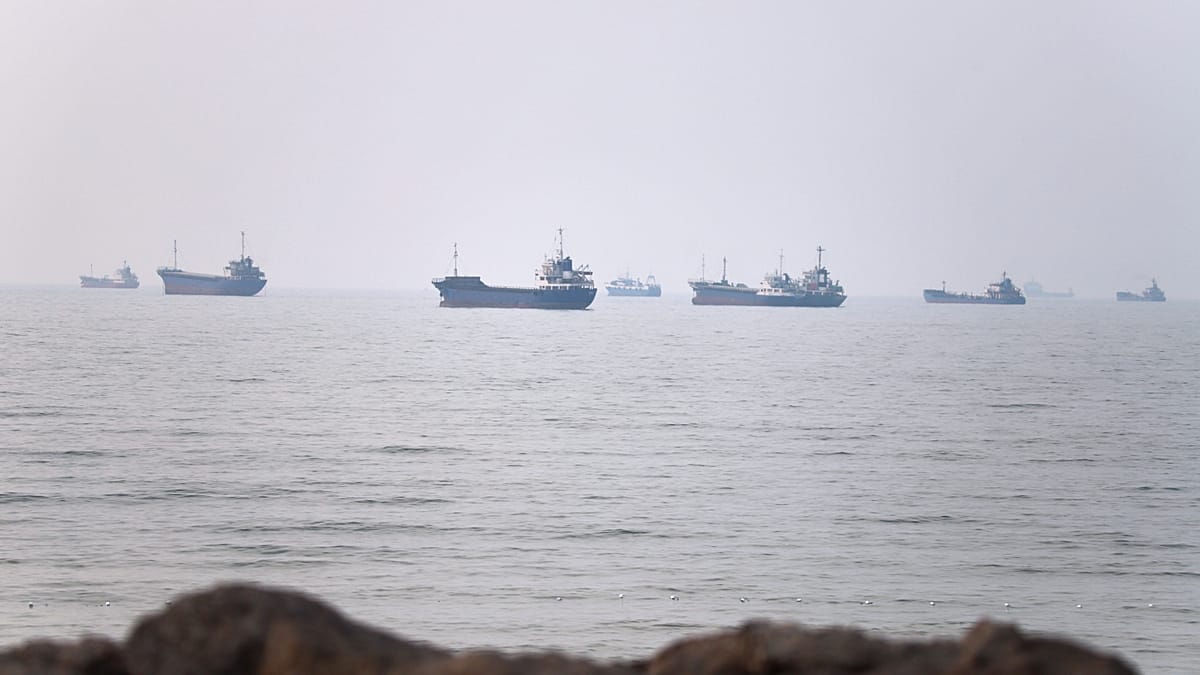
The Strait of Hormuz, a narrow waterway at the mouth of the Persian Gulf, is a critical chokepoint for global oil and gas shipments. Its status has been a central sticking point in negotiations aimed at ending the war that erupted in late February after US-Israeli strikes killed Ayatollah Ali Khamenei. The latest threat appears to be a reaction to a statement from US Central Command (CENTCOM), which after a meeting in Bahrain underscored a shared commitment to the free flow of commerce through the strait.
Iran's military command said any failure to comply with its navigation protocols would endanger the security of violating vessels. It also accused the United States of causing insecurity by maintaining fighter jet patrols over the waterway. Any US interference in security matters, the statement added, would be considered a threat to Iran's national sovereignty and met with a rapid and decisive reaction.
The war, which began with US-Israeli strikes on Tehran in February, has seen repeated exchanges of fire. Over the weekend, CENTCOM said it had attacked ten Iranian military targets in response to continued aggression against commercial shipping. Iran retaliated with strikes on US bases in Kuwait and Bahrain, both of which condemned the attacks. However, the intensity of clashes appeared to ease in the days leading up to the Doha talks.
Doha Talks Yield Modest Breakthrough
Mediators Qatar and Pakistan confirmed on Thursday that indirect negotiations between Iran and the United States in Doha concluded with positive progress. The talks, which took place on Wednesday, focused primarily on arrangements for the Strait of Hormuz, with the nuclear issue slated for deeper discussion in later rounds, according to a source familiar with the matter.
Iran's Deputy Foreign Minister Kazem Gharibabadi, who led Tehran's delegation, said an agreement had been reached to establish a communications channel by Thursday to report and record alleged violations of the memorandum. Discussions also covered frozen Iranian assets, whose release Tehran has demanded as part of any settlement. Gharibabadi said officials reviewed the use of part of an initial $6 billion and agreed that goods needed by Iran would be purchased and made available.
US President Donald Trump told reporters Wednesday that the denuclearisation of Iran is moving along well. The 14-point memorandum of understanding, brokered by Qatar and Pakistan in June, included a 60-day ceasefire and the reopening of the blockaded Strait of Hormuz. It also set a timeline for talks to permanently end the war and settle issues such as reconstruction funding for Iran and the future of its nuclear programme.
The European Union has been closely monitoring the situation, given the strait's importance for energy security. The bloc recently released a €3 billion loan to Ukraine, but the Iran talks have drawn attention away from other geopolitical priorities. The EU has also been grappling with a triple challenge of US tariffs, Iran negotiations, and a deadly heatwave, as reported in a recent analysis.
The next round of indirect talks will be postponed until after the funeral of Ayatollah Ali Khamenei, who was killed on 28 February at his compound in Tehran. His public funeral begins on Saturday, with his body lying in state at the colossal complex in central Tehran that hosts major Friday prayers. His burial will take place on 9 July at the shrine of Imam Reza in Mashhad, his birthplace and Iran's holiest city.
Power has been swiftly passed to his son, Mojtaba Khamenei, who has not been seen in public since his father's death. He has released written messages to the nation, read on state-run television. US media outlets have reported that he was seriously injured, with US Secretary of Defence Pete Hegseth describing him as disfigured, though Tehran has not officially commented on his condition.
The situation remains fluid, with the Strait of Hormuz threat level already raised by the UK Maritime Trade Operations (UKMTO) after a tanker was hit by a projectile. The US has also struck Iranian military sites after a drone attack on a cargo ship in the strait. For now, the diplomatic path remains open, but the funeral of the late ayatollah will delay any further progress.