Polish authorities have launched a terrorism investigation into a fire that broke out at a drone manufacturing plant in the central city of Skarżysko-Kamienna, raising concerns about potential foreign sabotage amid heightened security across Europe.
The blaze, which occurred on August 31, 2026, at a facility operated by WB Electronics, Poland's largest private arms company, is believed to have been started deliberately. Prosecutors said in a statement that an explosive device containing flammable materials had been planted on the premises, and that the fire was set intentionally.
According to investigators, CCTV footage captured an unidentified individual wearing a balaclava climbing over a fence to enter the site. A backpack and a sweatshirt were later found near the scene. The investigation is being conducted under charges of "participation in the activities of a foreign intelligence service against the Republic of Poland and the commission of a terrorist offense."
The fire caused significant damage, with warehouse facilities destroyed and losses estimated at no less than 15 million Polish złoty (approximately €3.5 million). Local firefighters said the blaze was not extensive and was brought under control in under two hours. After extinguishing the flames, police secured the area and began a detailed forensic examination, with a fire investigation expert now working at the site.
Strategic importance of WB Electronics
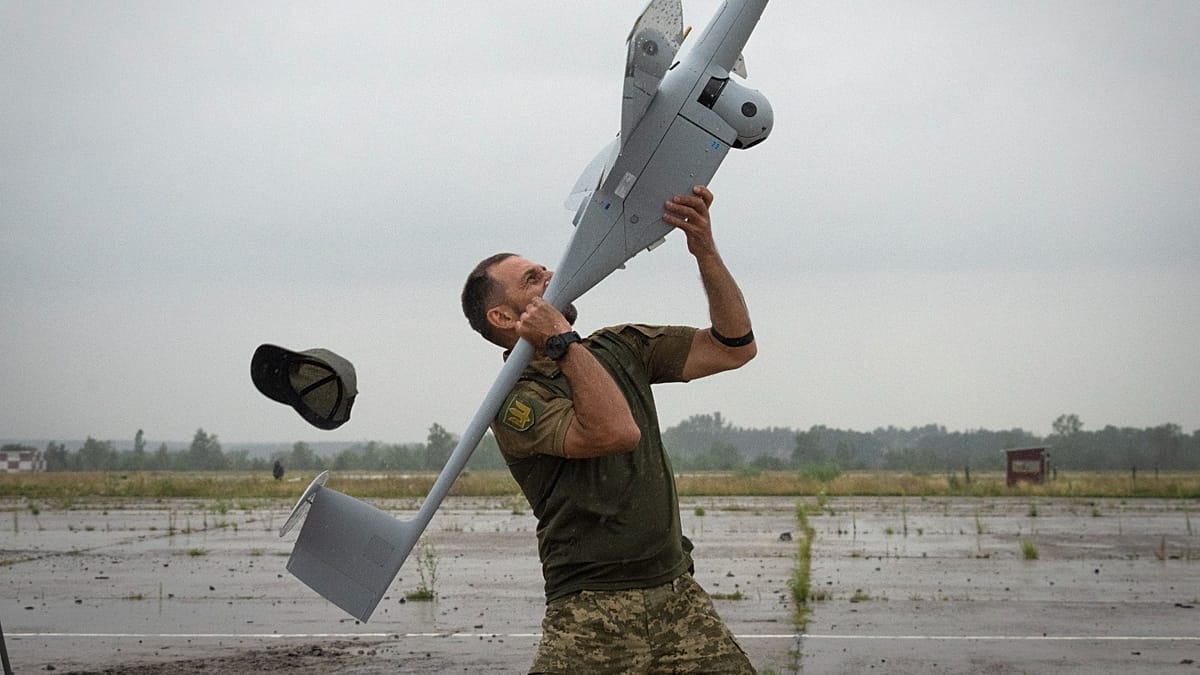
WB Electronics is a key supplier of reconnaissance and attack drones to the Polish armed forces, and its unmanned systems are also used by the Ukrainian military. The company's plant in Skarżysko-Kamienna produces components for these systems, making it a critical node in Poland's defense supply chain.
Remigiusz Wilk, a representative of WB Group, told TVN24 that the company has long enjoyed the trust of the Polish military and other allied forces. "We are, in a sense, part of Poland's security system as a major entity that cooperates with thousands of enterprises across the country – from very small firms to giants such as the Polish Armaments Group," he said.
Wilk emphasized the scale of the company's operations, noting that "when it comes to unmanned systems worldwide, we are one of the largest manufacturers. These are not single platforms; they are systems linked together into one large 'ecosystem.'" He expressed confidence that production would resume as soon as authorities complete their investigation, and he does not anticipate delays in deliveries to the Polish military.
Second fire within 24 hours
The incident came just a day after firefighters responded to a blaze at a warehouse in Lublin belonging to a company that produces aircraft parts. While no direct link has been established, the proximity of the two events has drawn attention. Karolina Galecka, a spokeswoman for the Polish Ministry of the Interior and Administration, said authorities would investigate every possible lead.
The fires occur against a backdrop of growing concerns about Russian sabotage operations across Europe. British newspaper The Telegraph, citing Western intelligence sources, recently reported on a series of suspected attacks targeting arms factories and companies supplying weapons to Ukraine. These incidents have prompted European governments to bolster security around critical infrastructure, particularly defense-related facilities.
Poland, as a frontline state in NATO's eastern flank, has been especially vigilant. The country has become a major hub for Western military aid to Ukraine, and its defense industry plays a vital role in sustaining Kyiv's war effort. The drone factory fire is likely to intensify scrutiny of potential espionage and sabotage activities, as well as efforts to disrupt supply chains.
While the investigation is still in its early stages, the deliberate nature of the attack and the involvement of foreign intelligence services, if confirmed, would mark a serious escalation. European security officials have repeatedly warned that Russia is willing to target civilian and industrial sites to undermine support for Ukraine. The incident in Skarżysko-Kamienna serves as a stark reminder of these threats, and it underscores the need for enhanced protective measures across the continent.