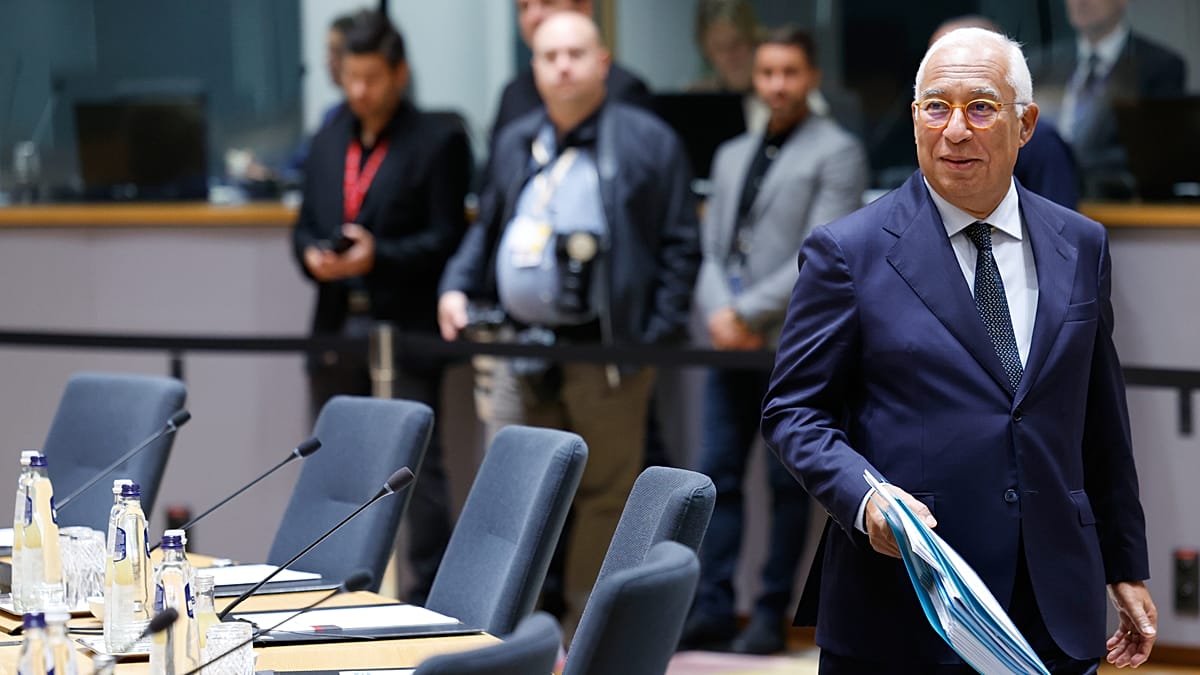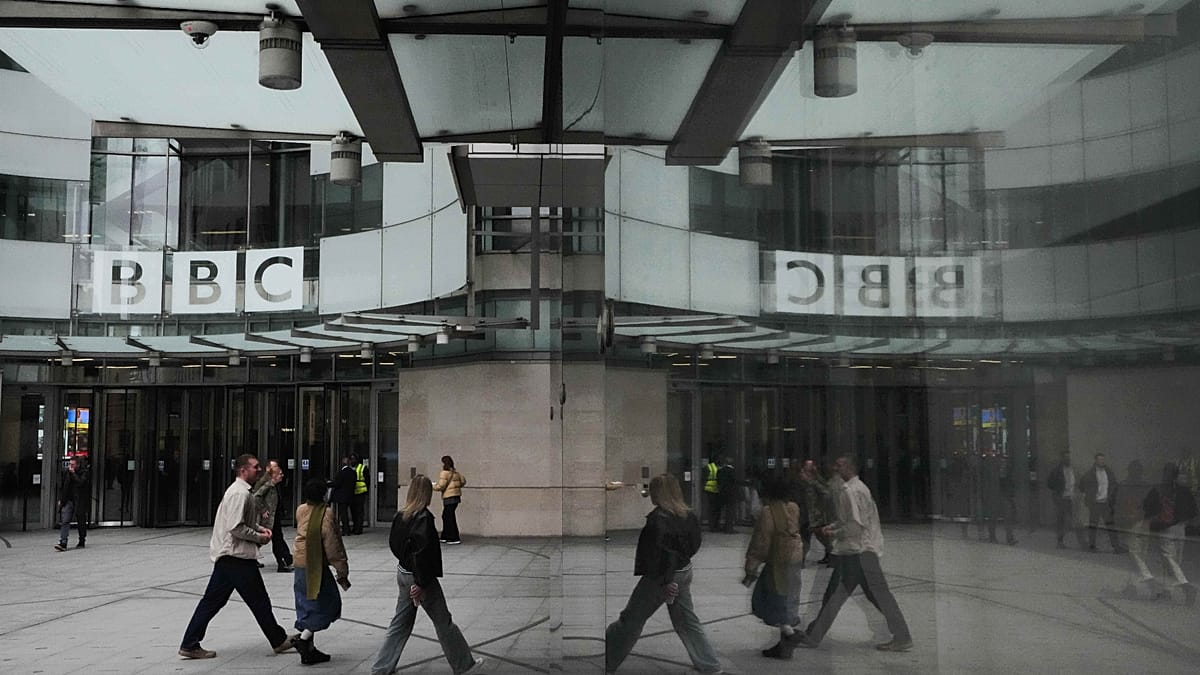
The BBC has asked a federal court in Florida to compel Donald Trump to fix a date for sworn testimony in his $10bn (€8.6bn) defamation action against the corporation, arguing that the case cannot proceed properly without hearing from the man who brought it.
In filings made public this week, the broadcaster's legal team said that nearly eight months of discovery had produced depositions from seven BBC witnesses, yet the plaintiff himself remained unscheduled. "The BBC still has not been able to depose, and does not even have a schedule to depose, the most central figure in this case: Plaintiff himself," the lawyers wrote. They asked the court to set a date and to take up the matter at a hearing listed for 22 October.
Trump's attorneys had initially agreed to a deposition on 16 October, according to the BBC, but subsequently sought to push it back to January — a timetable the broadcaster says would fall outside the remaining two months of discovery.
A documentary at the centre of the dispute
The lawsuit, filed in December 2025, concerns Trump: A Second Chance, a BBC documentary that the US president's legal team says amounted to a "false, defamatory, deceptive, disparaging, inflammatory, and malicious depiction" of him. The 33-page complaint characterises the programme as "a brazen attempt to interfere in and influence" the 2024 presidential election, and accuses the broadcaster of deceptive and unfair trade practices alongside defamation.
The BBC has acknowledged that it edited together sections of Trump's speech on 6 January 2021 in a way that made it appear he had urged violence at the US Capitol. The corporation apologised and two senior executives resigned over the episode. It denies that its conduct amounted to defamation.
Responding to the latest filing, a spokesperson for Trump's legal team did not explain the delay in scheduling the deposition. Instead, the spokesperson repeated the allegations against the BBC and said the president was holding the broadcaster "accountable for its defamation and reckless election interference just as he has held other fake news mainstream media responsible for their wrongdoing."
Why the timing matters
The procedural skirmish is more than a scheduling quarrel. In US civil litigation, a deposition is the principal opportunity for a plaintiff's account to be tested under oath before trial, and the BBC's argument rests on the principle that a party cannot pursue a claim while remaining unavailable to answer questions about it. With discovery due to close shortly, the broadcaster is effectively asking Judge — and the court — to prevent the case from drifting into a longer delay.
The dispute also lands in a broader transatlantic context in which the BBC, a publicly funded British institution, finds itself defending its editorial conduct in a US court against a sitting president. That dynamic has drawn attention well beyond Florida, not least because the case touches on how European broadcasters cover American politics and how far US courts will reach into the editorial decisions of foreign media organisations.
Trump's wider record of legal and political confrontation with European governments and institutions has been a recurring theme in recent months, from disputes over energy policy to his remarks on Greenland's strategic value and his sharing of graphic footage from the UK. The BBC case adds a commercial and reputational dimension to that pattern, with a claimed damages figure that would be extraordinary even by the standards of US defamation litigation.
What happens next
The court is expected to consider the BBC's request at the 22 October hearing. If the judge grants it, Trump would be required to appear for questioning under oath on a date set by the court; if not, the broadcaster may have to decide whether to press ahead without his testimony or seek other remedies. Either way, the outcome will shape how quickly — and on what terms — one of the most closely watched media lawsuits in recent years moves toward trial.