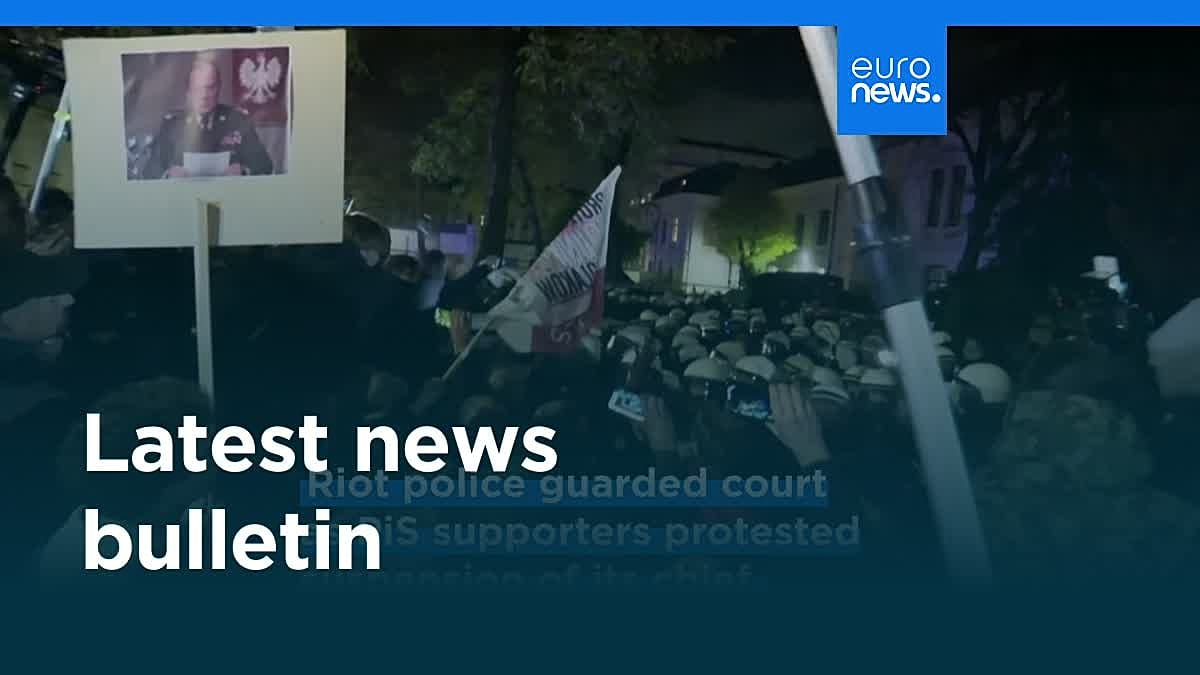
Warsaw is facing one of its most serious institutional crises in years as the Constitutional Tribunal, the country's highest court for constitutional matters, has descended into open chaos. The turmoil, which has been building for months, came to a head this week when rival factions of judges accused each other of procedural violations and political interference.
The immediate trigger was a dispute over the appointment of a new court president, a role that has become a flashpoint between the ruling coalition and the opposition. Judges aligned with the government argue that the appointment followed legal procedures, while critics insist it was rushed through to secure political control over the court.
A court under siege
The Constitutional Tribunal has been at the centre of a long-running battle between Warsaw and the European Commission over the rule of law. Brussels has repeatedly warned that changes to the Polish judiciary undermine judicial independence, and the European Court of Justice has issued rulings critical of the reforms. The latest crisis is likely to deepen those tensions, with EU officials expected to raise the issue at the next ministerial meeting.
In recent days, the court's proceedings have been disrupted by protests from legal associations and former judges, who describe the situation as an assault on the constitution. "What we are witnessing is not a legal dispute but a political takeover of the last independent institution," said a former tribunal judge who asked not to be named.
The government, for its part, denies any wrongdoing. A spokesperson for the justice ministry said the court was "functioning normally" and accused the opposition of manufacturing a crisis for political gain. But the public remains deeply divided, with polls showing a sharp drop in trust in the judiciary.
The standoff has also drawn attention from beyond Poland's borders. In Berlin and Paris, officials are watching closely, mindful that the dispute could complicate EU decision-making on issues ranging from the budget to migration. The European Parliament has already passed a resolution calling on Warsaw to respect court rulings, but the Polish government has shown little sign of backing down.
For ordinary Poles, the crisis is more than a political soap opera. Courts handle everything from family disputes to commercial contracts, and a dysfunctional constitutional court could delay justice for years. Legal experts warn that the uncertainty is already deterring foreign investors, who value predictable legal systems.
The situation is reminiscent of earlier clashes between Warsaw and Brussels, but the stakes are higher now. With the EU's next multi-year budget under negotiation, Poland is seeking billions in recovery funds that remain frozen over rule-of-law concerns. The court's chaos is unlikely to help unlock those funds.
As the crisis deepens, all eyes are on President Andrzej Duda, who has the power to intervene. So far, he has remained publicly silent, but diplomatic sources suggest he is under pressure from both domestic allies and international partners to find a compromise.
For now, the Constitutional Tribunal remains in a state of paralysis, with hearings postponed and rulings delayed. The coming weeks will be crucial in determining whether Poland can resolve this institutional impasse or whether it will slide further into a constitutional crisis with far-reaching consequences for the country and the European Union.