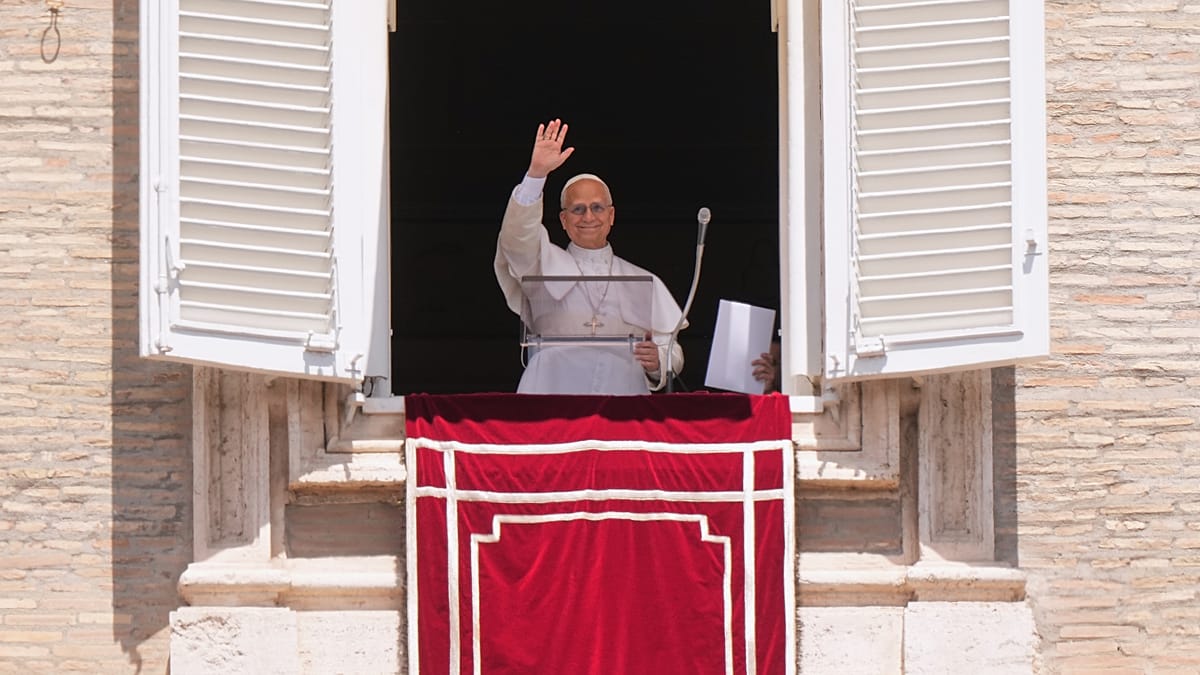
On 25 May, Pope Leo XIV will release his first major papal document — an encyclical — addressing the ethical challenges posed by artificial intelligence. The event at the Vatican will feature Christopher Olah, co-founder of the AI safety company Anthropic, underscoring a rare intersection of religious authority and tech industry leadership.
The encyclical, reportedly titled Magnifica Humanitas ("Magnificent Humanity"), is expected to frame AI through the lens of Catholic social teaching, focusing on labour rights, justice, and human dignity. The Vatican confirmed on Monday that the document will address "the protection of the human person in the age of artificial intelligence."
A New Vatican Commission on AI
Pope Leo has made AI a priority early in his pontificate. On 16 May, he approved the creation of a new Vatican commission on artificial intelligence, tasked with coordinating AI-related activities across the Holy See's institutions. The commission draws from seven Vatican bodies, including the Dicastery for the Doctrine of the Faith, the Pontifical Academy for Life, and the Pontifical Academy of Sciences. Its role includes sharing information, aligning on projects, and setting internal policies for AI use within the Vatican.
This is not the Vatican's first engagement with AI. Pope Francis addressed the G7 on AI ethics in June 2024, and Vatican officials have held private discussions with executives from Google, Microsoft, and Cisco. The Catholic Church's internal AI guidelines took effect on 1 January 2025, mandating disclosure of AI-generated content, prohibiting uses that conflict with the Church's mission, and establishing a five-member compliance body.
Pope Leo has voiced particular concern about AI in warfare and has called for robust monitoring of how the technology is deployed. The encyclical will serve as an official letter guiding bishops and practitioners worldwide.
Anthropic, the company co-founded by Olah, has positioned itself as a leader in AI safety and risk mitigation. However, the firm is currently embroiled in a legal dispute with the Trump administration. In February, the U.S. government ordered all federal agencies to stop using Anthropic's technology and imposed penalties after the company refused to allow unrestricted military use of its AI. Anthropic is suing the administration, alleging illegal retaliation.
The collaboration between the Vatican and Anthropic highlights a growing global conversation about the ethical boundaries of AI. As the technology becomes more pervasive — raising concerns about AI psychosis, cybersecurity, and energy consumption — institutions from the political to the spiritual are grappling with its implications.
The encyclical's release comes at a time when European policymakers are also intensifying their focus on AI regulation. The European Union's AI Act, which entered into force in 2024, sets a global benchmark for risk-based oversight. The Vatican's intervention adds a moral dimension to these efforts, emphasizing human dignity over technological determinism.
For the Catholic Church, which counts over a billion followers worldwide, the encyclical represents a significant attempt to shape the narrative around AI. By bringing together a tech entrepreneur and a religious leader, the event on 25 May may signal a broader alliance between ethics and innovation — one that European audiences, accustomed to balancing progress with precaution, will watch closely.