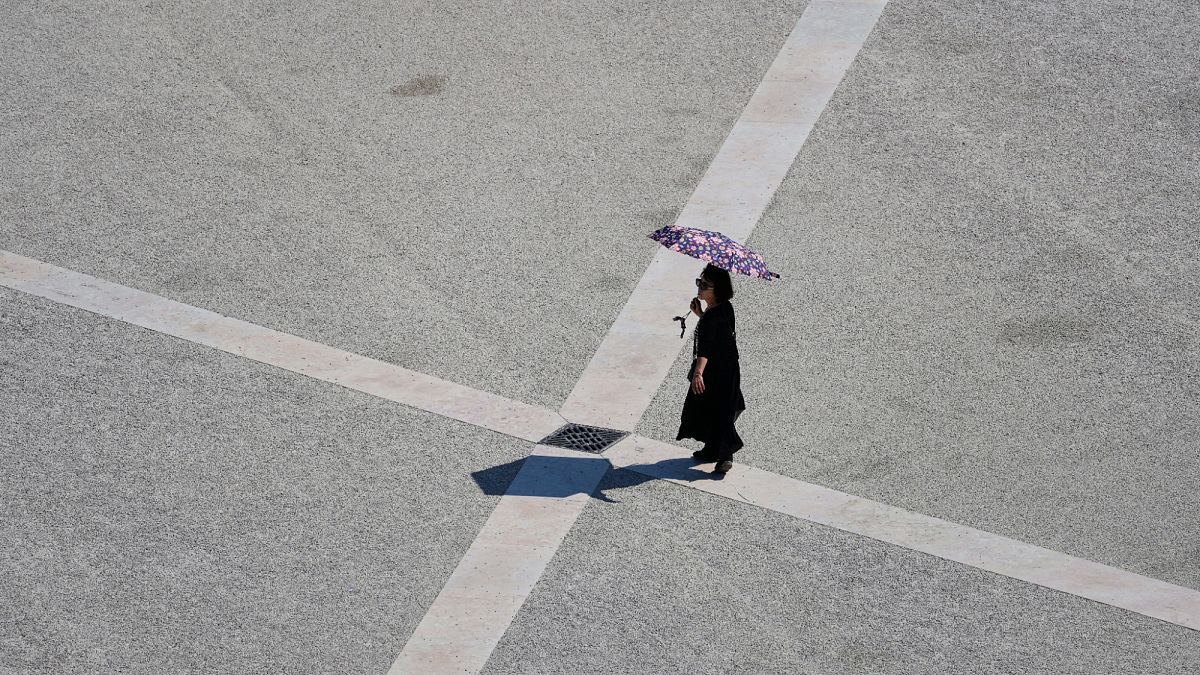
Portugal's meteorological institute, IPMA, has warned that a tropical air mass will push temperatures across mainland Portugal to between 30°C and 35°C this weekend, with highs of up to 39°C possible in inland areas of the Tagus Valley. Minimum temperatures are also expected to rise, settling around 20°C nationwide. The agency describes the heat as unusual for this time of year.
The hot spell will be accompanied by cloud cover and coastal showers, with a risk of heavy rain, hail, and thunderstorms in inland regions, particularly on Saturday afternoon. Humidity may cause a slight drop in temperatures in those areas. IPMA also notes that suspended dust from North Africa will linger until the end of the day on Saturday.
What Is the Saharan Dust and How Does It Affect You?
The phenomenon originates in the Sahara Desert, where storms and strong winds lift large quantities of sand and dust. According to the Meteo Trás-os-Montes portal, a Facebook page dedicated to weather information, heavier particles fall back to the ground near their source, while finer, lighter particles can rise thousands of metres into the atmosphere and remain suspended for days.
Once above 1,500 metres, these particles are carried by air currents across the Mediterranean and the Atlantic. Depending on wind patterns, dust plumes can travel thousands of kilometres, reaching Europe, including Spain and Portugal, or even crossing the Atlantic. When the wind weakens or changes direction, the particles fall back to the surface.
The build-up of desert dust can cause discomfort for people with allergies or respiratory conditions such as asthma and bronchitis. It also creates haze, reducing visibility and increasing risks for drivers. However, the dust is rich in minerals like iron and phosphorus, and when it falls into the ocean, it becomes an important nutrient for the marine food chain. On land, it acts as a natural fertiliser.
This weekend's weather is reminiscent of the spring heat surge that tested Europe's readiness earlier this year, when temperatures soared to 38°C in parts of the continent.
Yellow Alerts for Eight Districts
IPMA has issued a yellow warning—the least severe on a three-level scale—for the districts of Bragança, Vila Real, Braga, Viana do Castelo, Aveiro, Porto, Viseu, and Guarda on Saturday, due to expected rain and thunderstorms. These alerts cover northern and central Portugal, where the combination of heat, humidity, and dust may create challenging conditions.
Portugal has faced a series of weather extremes in recent months, from winter storms to concerns about a severe wildfire season. The country's infrastructure and emergency services are increasingly tested by such events, which are becoming more frequent as climate patterns shift across Europe.
Residents and visitors in affected areas are advised to stay informed through official channels and take precautions, especially those with respiratory issues. Drivers should be aware of reduced visibility due to haze, and anyone planning outdoor activities should monitor local forecasts for sudden thunderstorms.