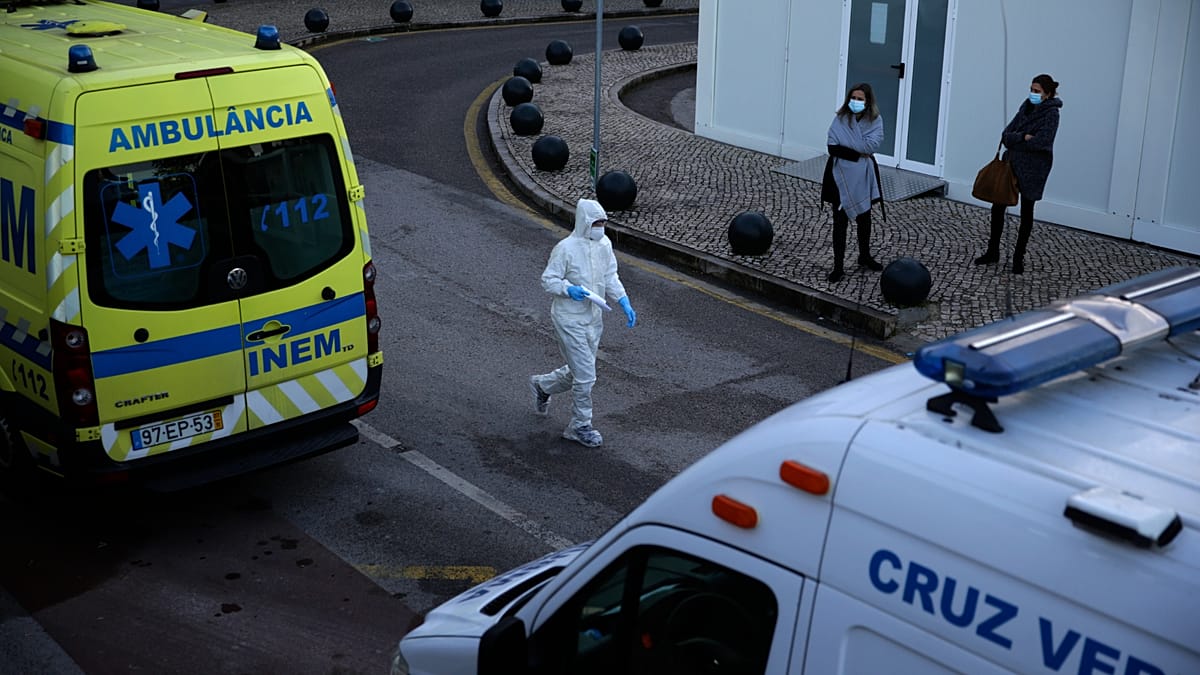
On Monday, 19 May, the emergency department at São Francisco Xavier Hospital in Lisbon received a patient presenting flu-like symptoms, prompting the first suspected case of hantavirus in Portugal. The Directorate-General of Health (DGS) confirmed to public broadcaster RTP that the individual, an adult Portuguese national, had travelled by plane in connection with the ongoing hantavirus outbreak on the MV Hondius cruise ship.
Following established protocols, the patient was transferred to the Curry Cabral reference hospital in Lisbon—the same facility that handled the first COVID-19 case in the capital. Subsequent testing returned a negative result, ruling out hantavirus infection. However, under DGS guidelines, even a non-case must be retested within the maximum incubation period of 42 days after the last exposure to a probable or confirmed case, and reclassified accordingly.
How Suspected Cases Are Classified
The DGS defines a suspected case as anyone who has shared or visited a means of transport—such as a plane or ship—where a confirmed or probable hantavirus infection has occurred. Additionally, any person who has been in contact with a passenger or crew member from the MV Hondius since 5 April 2026 and up to the end of the incubation period, and who develops symptoms including acute fever, muscle pain, chills, headache, or gastrointestinal or respiratory issues, is considered a suspected case.
Portugal's response mirrors actions taken by other European countries. Germany, Italy, Spain, the United Kingdom, and the United States are all dealing with hantavirus cases and have adopted similar measures based on World Health Organization (WHO) guidance. These include a six-week quarantine for high-risk contacts, PCR testing, strict monitoring, movement restrictions, and maintaining a safety distance of 1.5 to 2 metres.
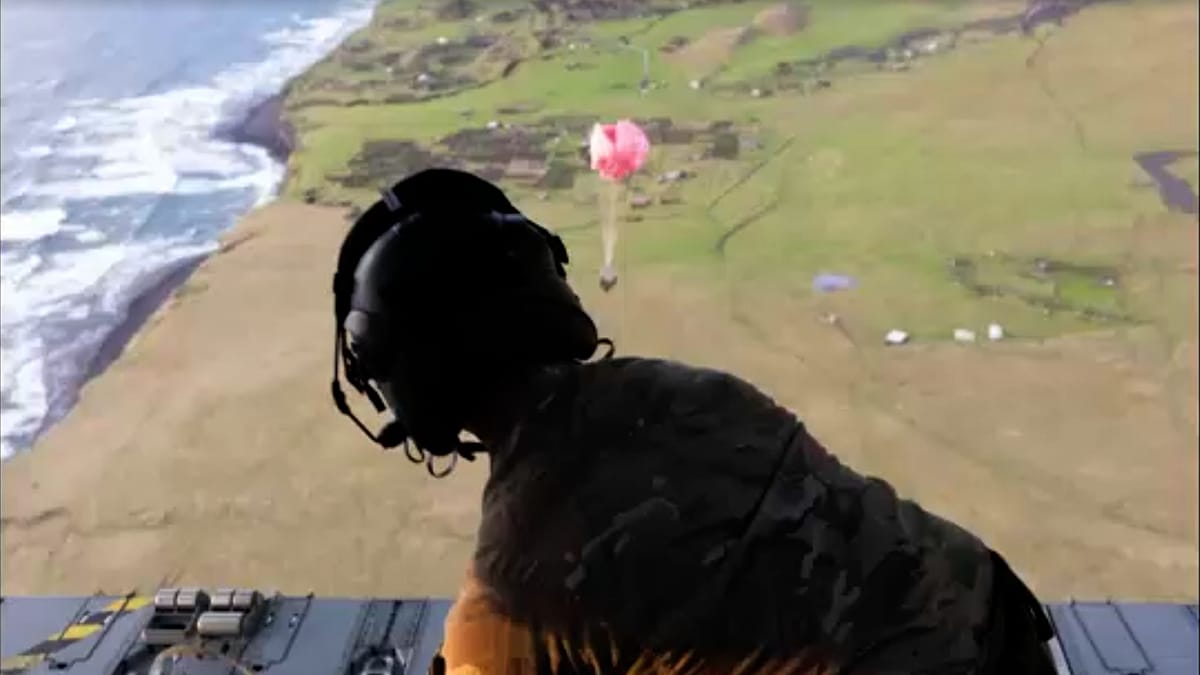
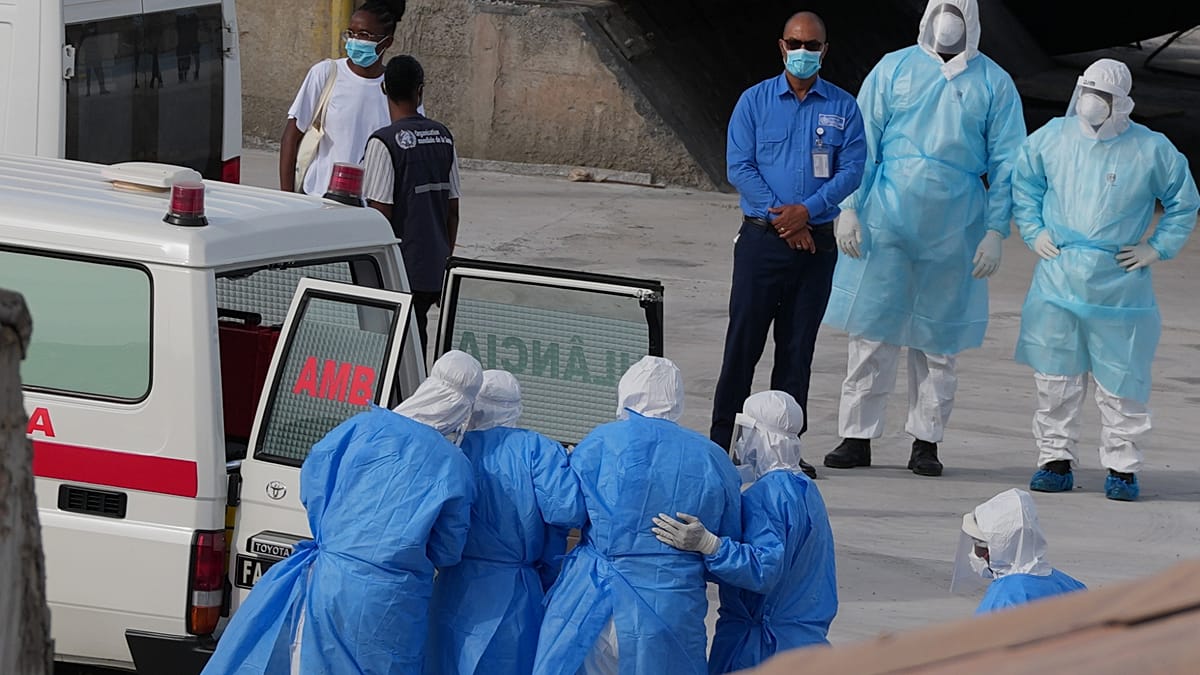
The MV Hondius outbreak has already prompted several international responses. The UK military air-dropped medics to Tristan da Cunha over a hantavirus scare, while Tenerife residents remained calm as a hantavirus-linked cruise ship docked. Three individuals were evacuated from the MV Hondius in Cape Verde over suspected hantavirus, and thirteen contacts at Madrid's Gómez Ulla Hospital were allowed visits after testing negative.
Europe's pandemic preparedness is being tested by this outbreak, as health systems across the continent coordinate surveillance and containment. The DGS continues to monitor the situation closely, emphasising that vigilance remains essential even after a negative test result.