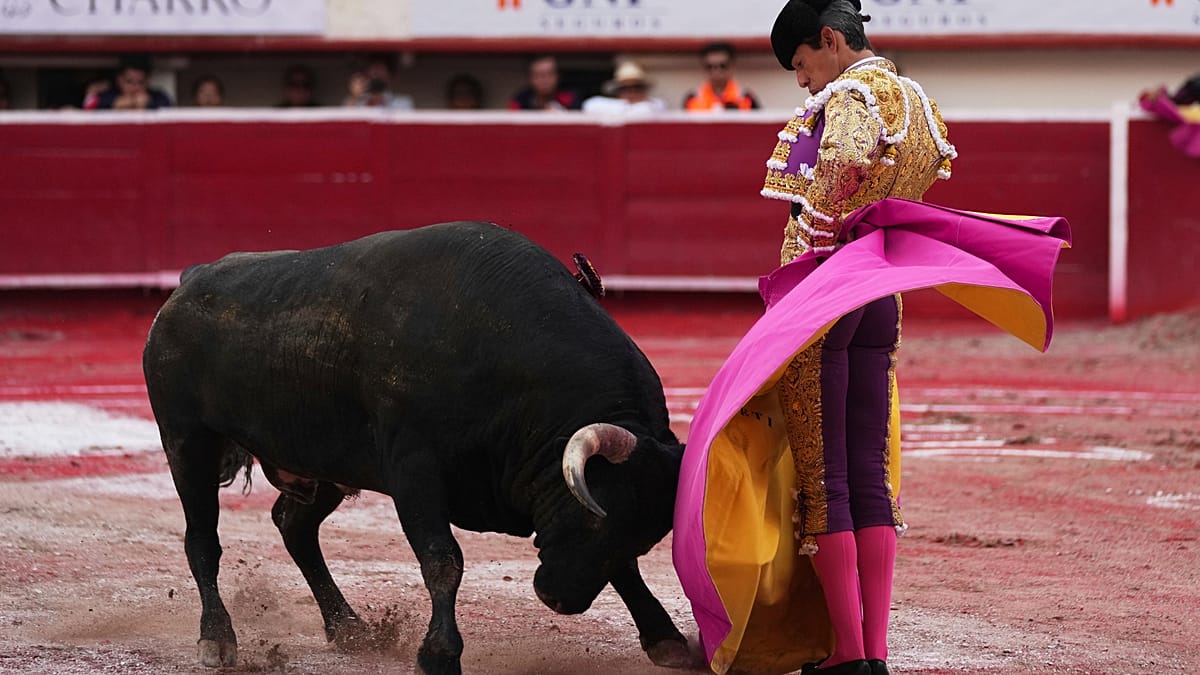
Bullfights are set to return to Portuguese public television in 2027, six years after they were dropped from the schedule of the state broadcaster RTP. The decision, approved by parliament as part of the 2027 State Budget, has ignited a fierce debate over editorial independence, animal welfare, and the role of public service broadcasting.
The measure originated from a proposal by the far-right Chega party, which required RTP to ensure the broadcast of bullfighting events. It was passed during the budget's line-by-line votes with support from the centre-right Social Democratic Party (PSD), the conservative CDS-PP, and Chega. The Socialist Party (PS) initially abstained but later voted against when the measure was taken to the plenary at the request of the People-Animals-Nature (PAN) party. Despite opposition from other parties, the majority confirmed the proposal.
This is not the first time parliament has intervened in favour of bullfighting. The same coalition had already reduced VAT on bullfight tickets from 23% to 6% in the 2025 budget.
The approved text stipulates that during 2027, RTP "shall ensure, in fulfilment of the public service obligations incumbent on it under the concession contract in force, the broadcast of bullfighting events on its television programme services, as part of the heritage of Portuguese popular culture." It also states that RTP, exercising its editorial autonomy, will choose which events to broadcast, on which channels, and at what times. The measure must be implemented without additional cost to the state budget, and RTP must report to parliament by 31 January 2028 on the events aired and their audience figures.
The decision has provoked a strong internal reaction at RTP. Nicolau Santos, chair of RTP's board of directors, told Portuguese radio station TSF that the measure violates the Television Law and constitutes an attempt to interfere with the channel's editorial autonomy. "After consulting our legal department, this guidance violates the provisions of the Television Law," Santos said, citing article 26, which states that "except in the cases provided for in this law, the activity of television and on-demand audiovisual services is based on freedom of programming, and the public administration or any security body, with the exception of the courts, cannot prevent, condition or impose the broadcasting of any programmes."
Santos argued that the decision would require a change to the Television Law, and that RTP would defend its editorial autonomy in both news and programming. He also noted that the channel's concession contract, which defends animal welfare, would need to be amended before bullfights could be broadcast. "This seems extremely serious to me. It opens a Pandora's box and I think that, surely, there will be very deep reflection on this measure," he said.
RTP's Workers' Committee and the Porto Workers' Subcommittee went further, calling the proposal an "attack on the company's autonomy" and a "dangerous and outdated intrusion of political power" into editorial decisions. In a statement quoted by the Portuguese news agency Lusa, they warned: "It is yet another episode in the context of the suffocation to which the public media service in Portugal has been subjected (...) Today it is bullfights. Tomorrow it could be any other content that a given party believes should be part of RTP's programming."
The workers' statement also highlighted that the proposal clashes with the Television Law, which safeguards programming freedom, and with RTP's concession contract, which enshrines independence and autonomy. They pointed to the evolution of the legal framework on animal protection and stressed that individual rights are at stake, given that the Constitution guarantees freedom of conscience and the Labour Code recognises the right to physical and moral integrity. "A parliamentary imposition does not remove the rights of those who work at RTP, nor does it exempt the company from listening to and considering its professionals' concerns," they said, adding that "RTP cannot have its content scheduled according to parliamentary majorities."
The controversy extends beyond the broadcaster. A public petition against the mandatory broadcasting of bullfights on RTP has already gathered more than 86,000 signatures and continues to grow. The petition's organisers emphasise that the debate is not about "removing the individual freedom of those who enjoy or wish to watch" bullfighting shows, but rather "questioning whether the State should compel the public television service to broadcast them, regardless of their relevance to the public service mission and the wishes of a significant part of the population."
The decision also raises broader questions about the independence of public media across Europe. In Hungary, for example, the appointment of a new head of public broadcaster has been part of a reform push, but critics often point to political interference. The Portuguese case may serve as a test for how far parliaments can go in dictating programming content.
As the debate unfolds, RTP's leadership has indicated it will challenge the measure, potentially through legal means. The coming months will reveal whether the broadcaster can resist this political pressure or whether bullfights will indeed return to Portuguese screens in 2027.



