Spain goes to the polls on Sunday for snap general elections, a vote that could end the Socialist government of Pedro Sánchez and install a right-wing coalition. The outcome would not only redraw the domestic political map but also alter the balance of power in the European Union, where Spain has been a key player in recent years.
The campaign has been dominated by two issues that resonate deeply with voters: housing and immigration. Both have become flashpoints in a polarized political climate, and the major parties offer sharply contrasting solutions.
Housing: a generational crisis
Spain's housing market has become increasingly unaffordable, especially for young people and those in urban centers like Madrid and Barcelona. Rents have soared, and homeownership is out of reach for many. The Socialist government has introduced rent caps and subsidies, but critics argue these measures have been insufficient.
The conservative People's Party (PP), led by Alberto Núñez Feijóo, proposes a different approach: tax incentives for landlords and a relaxation of rental regulations to increase supply. Feijóo has also promised to streamline bureaucratic hurdles for construction, aiming to boost the housing stock. However, his plans have been criticized by left-wing parties, who argue that deregulation would only exacerbate the crisis.
Vox, the far-right party that could play a kingmaker role, has focused on tying housing to immigration, claiming that an influx of foreigners is driving up prices. This narrative has resonated with some voters, but it has also drawn accusations of xenophobia.
Immigration: a divisive debate
Immigration has long been a sensitive issue in Spain, given its proximity to North Africa and the Canary Islands route. The Socialists have defended a humanitarian approach, emphasizing integration and legal pathways. They point to their handling of the 2020 migrant surge and their support for EU-wide asylum reforms.
The PP has taken a tougher stance, calling for stricter border controls and faster deportations of those without legal status. Feijóo has also proposed a 'contract of integration' that would require immigrants to respect Spanish laws and values, a move that has been criticized as discriminatory.
Vox has gone further, advocating for the suspension of immigration from Muslim-majority countries and the construction of border fences. These positions have sparked protests from civil society groups, which argue that they stoke fear and division.
European implications
The election's outcome will have significant repercussions beyond Spain's borders. A PP-Vox coalition would align Spain more closely with the right-wing governments in Italy and Poland, potentially complicating EU decision-making on issues like migration and climate policy. Sánchez, by contrast, has been a staunch ally of Brussels, supporting the EU's recovery fund and its green agenda.
Analysts note that a shift to the right in Madrid could also affect the EU's stance on the war in Ukraine. While the PP has been supportive of Ukraine, Vox has expressed sympathy for Russia, raising concerns about a possible softening of EU unity.
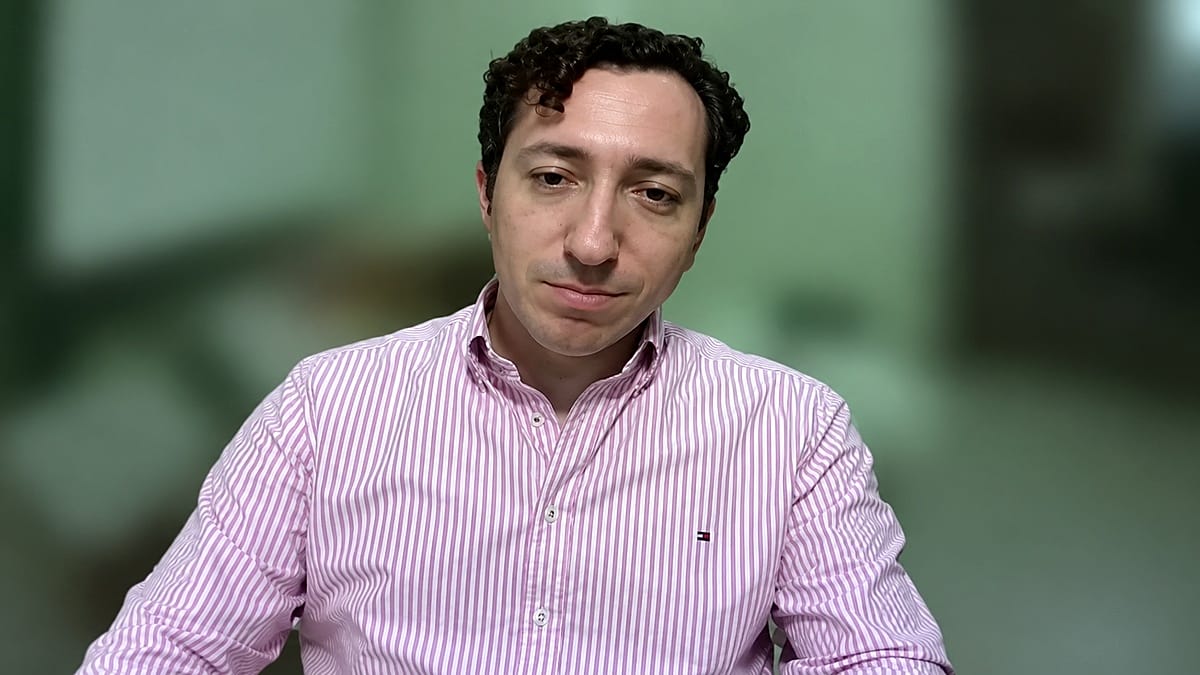
In an interview with Europe Tonight, Javier Martínez-Cantó, a research fellow at the Spanish National Research Center, highlighted the stakes: "This election is not just about Spain; it's about the future direction of the EU. A right-wing coalition could embolden nationalist forces across the continent."
Martínez-Cantó also noted that the housing and immigration debates are not unique to Spain. "These are issues that are challenging governments across Europe, from France to Germany. How Spain resolves them will be closely watched."
As voters prepare to cast their ballots, the uncertainty remains high. Polls suggest a tight race, with the PP leading but falling short of a majority, making Vox's support crucial. The possibility of a hung parliament and weeks of coalition negotiations looms, adding to the sense of unpredictability.
For many Spaniards, the election is a choice between continuity and change, but also between two very different visions of their country's place in Europe. The outcome will be felt far beyond the Iberian Peninsula.



