Portugal's appetite for travel remains among the strongest in Europe, with 82% of its population planning a holiday in 2026, according to the 25th edition of Europ Assistance's Annual Summer Holiday Barometer, conducted with IPSOS. Only the United Kingdom, at 84%, shows a higher intention. The survey, covering 26 countries including 11 European ones, underscores that holidays are increasingly seen as essential for well-being and personal balance.
Yet this enthusiasm is tempered by persistent financial constraints. Nearly half (49%) of Portuguese who do not plan to travel cite the need to save as the primary reason. Portugal also tops the European list for inflation-related travel anxiety, with 90% of respondents expressing concern—up 5% from 2025. High prices have a greater impact on leisure budgets in Portugal than in any other European country surveyed.
Budgets rise but remain below European average
The average budget for a main holiday in Portugal has increased by €147 to €1,662, a 10% rise from 2025. Still, this remains well below the European average of €2,089. Among European nations, Portugal ranks ninth in expected holiday spending. Switzerland leads with €3,100, followed by the United States (€3,049) and Australia (€3,035).
Domestic travel remains popular: 47% of Portuguese plan to holiday within the country, while international travel has dipped slightly from 43% in 2025 to 42% this year. Preferred foreign destinations include Spain (21%), Brazil (9%), and Italy (8%). Globally, Italy, Spain, and France are the most desired destinations.
Security concerns shape choices
Safety is increasingly influencing travel decisions. Across Europe, 30% of respondents now consider security a determining factor when choosing a destination, a trend that has risen since 2025. In Portugal, 70% of respondents cite armed conflicts and 67% fear terrorist attacks—both figures significantly above the European averages of 59% and 53%. The war in the Middle East and broader geopolitical tensions have led some travellers to avoid destinations such as the United Arab Emirates and the United States.
Jet fuel crisis threatens summer tourism
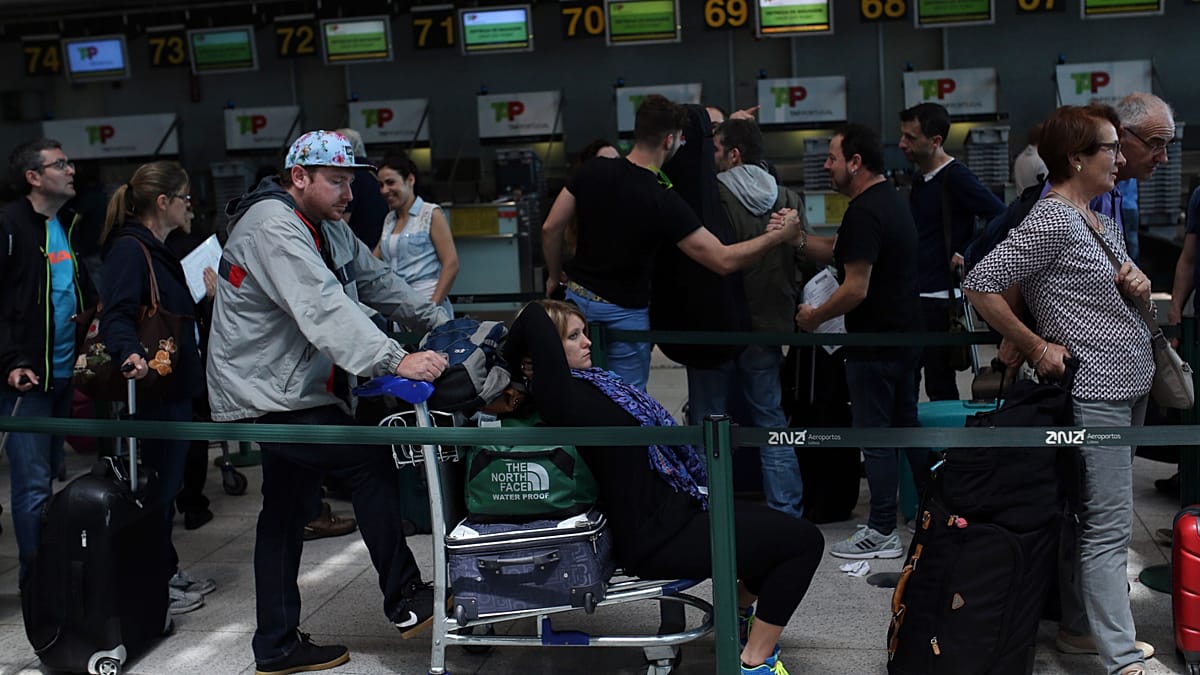
A more immediate threat to Portugal's travel plans is the disruption in jet fuel supplies, linked to instability in the Middle East and particularly the Strait of Hormuz, a critical chokepoint for oil and petroleum products. The International Energy Agency (IEA) has warned that Europe may have only weeks of jet fuel reserves, potentially leading to flight cancellations and higher ticket prices. Currently, fewer than 1% of European flights have been cancelled due to fuel shortages, but carriers including Turkish Airlines, Lufthansa, British Airways, and KLM have already grounded some services.
Portugal's tourism sector, a cornerstone of its economy, is particularly vulnerable. More than 90% of tourists arrive by air. The Minister for the Environment and Energy, Maria da Graça Carvalho, stated that Portugal has jet fuel reserves until August, based on information from Galp, which produces the fuel at the Sines refinery. Infrastructure Minister Miguel Pinto Luz assured that the government is in contact with oil companies and does not anticipate flight cancellations at TAP for now. However, Finance Minister Joaquim Miranda Sarmento warned that any supply disruption could cause a "very significant economic shock" due to a drop in tourism. "If this happens, and bearing in mind that if it does, it could happen in the summer, it will have a very significant negative impact on the Portuguese economy," he said in Brussels on 5 May.
The broader European context is equally concerning. The IEA's warning echoes the impact of the Iran conflict on fuel costs, as seen in EasyJet's widening losses. For travellers, understanding their rights amid such disruptions is crucial; a guide on navigating summer travel amid the Middle East crisis offers practical advice.
Despite these headwinds, 78% of Portuguese still plan at least one summer trip, stable compared to previous years and above the European average of 77%. Germany and Belgium show the lowest intentions, at 70% and 72% respectively. The coming months will test whether Portugal's travel ambitions can withstand the dual pressures of rising costs and fuel uncertainty.