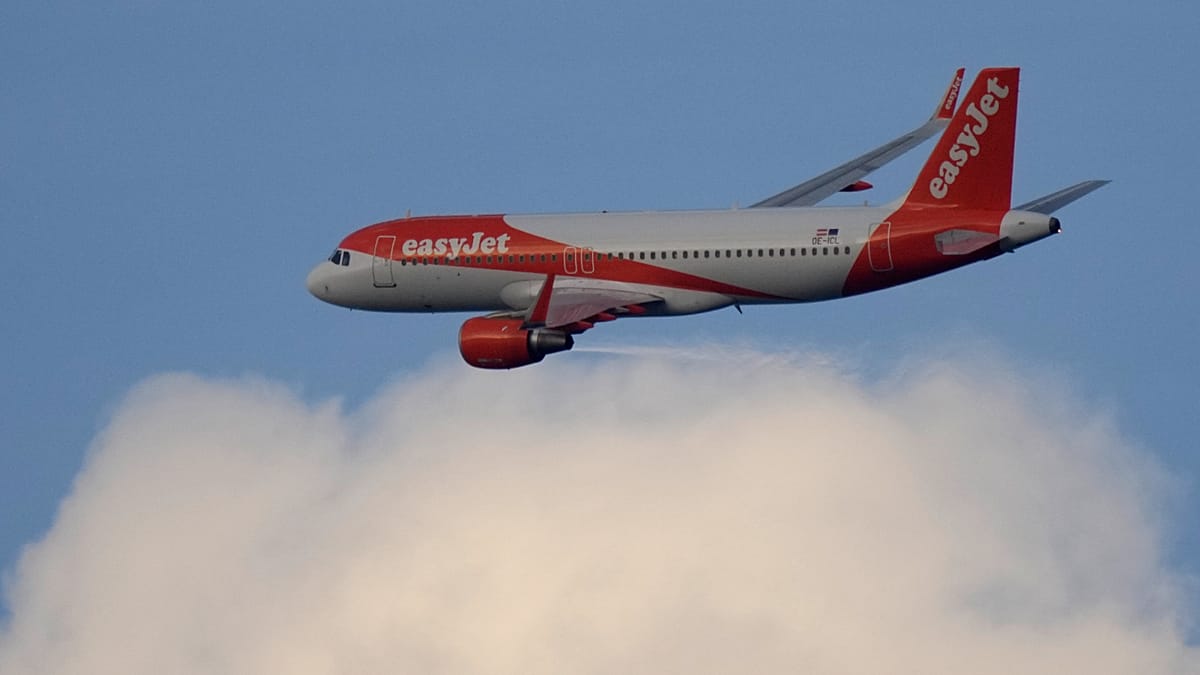
British low-cost carrier EasyJet reported a widening of its first-half losses on Thursday, attributing the deterioration to the ongoing conflict in Iran, which has driven up jet fuel costs and dampened travel demand across Europe. The airline posted a total loss after tax of £377 million (€463 million) for the six months ending March 31, a 27% increase from the same period a year earlier.
The Iran war has disrupted global aviation by pushing up European jet fuel prices by more than 80% since late February, largely due to the disruption of shipping through the Strait of Hormuz, a critical chokepoint for roughly one-fifth of the world's oil supplies. Airlines across the continent have responded by raising fares, trimming costs, and warning of pressure on margins, but EasyJet's results underscore the particular vulnerability of budget carriers to fuel price volatility.
Revenue Growth Tempered by Conflict
Despite the wider losses, EasyJet's revenue rose by 12% to £3.95 billion (€4.63 billion), supported by a 6% increase in passenger numbers. The airline's load factor—a measure of how full its planes are—improved to 90%, up two percentage points from a year earlier. However, the group said that the conflict had weakened booking visibility and delayed demand for the peak summer season.
“Overall bookings for the summer period are behind where they were at this point last year,” the airline stated, adding that the second half of its financial year “will be impacted by the conflict in the Middle East, with higher fuel costs and near-term uncertainty around customer demand.”
EasyJet confirmed that the war had added £25 million (€29 million) to its fuel bill, though it reported no disruption to fuel supplies. The airline is 72% hedged against further fuel price rises over the next six months, offering some protection against additional increases in oil prices.
Holidays Division Offers Bright Spot
The group's holidays division provided a notable counterweight to the broader headwinds. EasyJet Holidays saw customer numbers rise by 22% in the first half, reflecting strong demand for package holidays even as standalone flight bookings softened. This trend aligns with a broader shift across Europe, where travelers are increasingly bundling flights with accommodation to lock in value amid rising costs.
Chief executive Kenton Jarvis said that “despite conflict in the Middle East creating near-term uncertainty, EasyJet is well placed to manage the current environment.” He added during a call with journalists that minimum ticket prices would rise for the quieter winter season, a move that mirrors similar adjustments by competitors.
The airline also reported a £32 million (€37 million) increase in legal provisions linked to a number of historic cases, adding to its cost pressures.
Market Reaction and Broader Context
Following the update, EasyJet shares initially rose by nearly 2% before slipping into small losses by early afternoon, reflecting investor caution about the outlook. Aarin Chiekrie, an equity analyst at Hargreaves Lansdown, described the picture as “challenging,” noting that “demand is taking a hit, with bookings for the second half tracking two percentage points below last year's levels as sunseekers leave it later to lock in their travel plans.” He added that “even if the Middle East conflict is resolved in the near term, fuel prices are likely to remain elevated for some time.”
The difficulties at EasyJet come as rival Ryanair reported a more than one-third jump in annual net profit earlier this week, but also warned that the Iran war had clouded its outlook for the year ahead. The broader European aviation sector is grappling with the ripple effects of the conflict, which have also contributed to rising recession risks in the eurozone and prompted the EU to slash its 2026 growth forecast.
For travelers, the combination of higher fuel costs and weaker demand is likely to mean continued upward pressure on airfares, particularly for short-haul routes where budget carriers dominate. As EasyJet and its peers adjust pricing and capacity, the summer season will test whether European consumers are willing to pay more for their holidays—or whether the conflict will keep them grounded.