In Lisbon, a volunteer-driven initiative is tackling the limited availability of accessible literature for blind and partially sighted children. The project, called Words that Embrace, is a collaboration between the Alcântara José Dias Coelho Municipal Library and the Bengala Mágica association, which supports children and teenagers who are blind or have low vision.
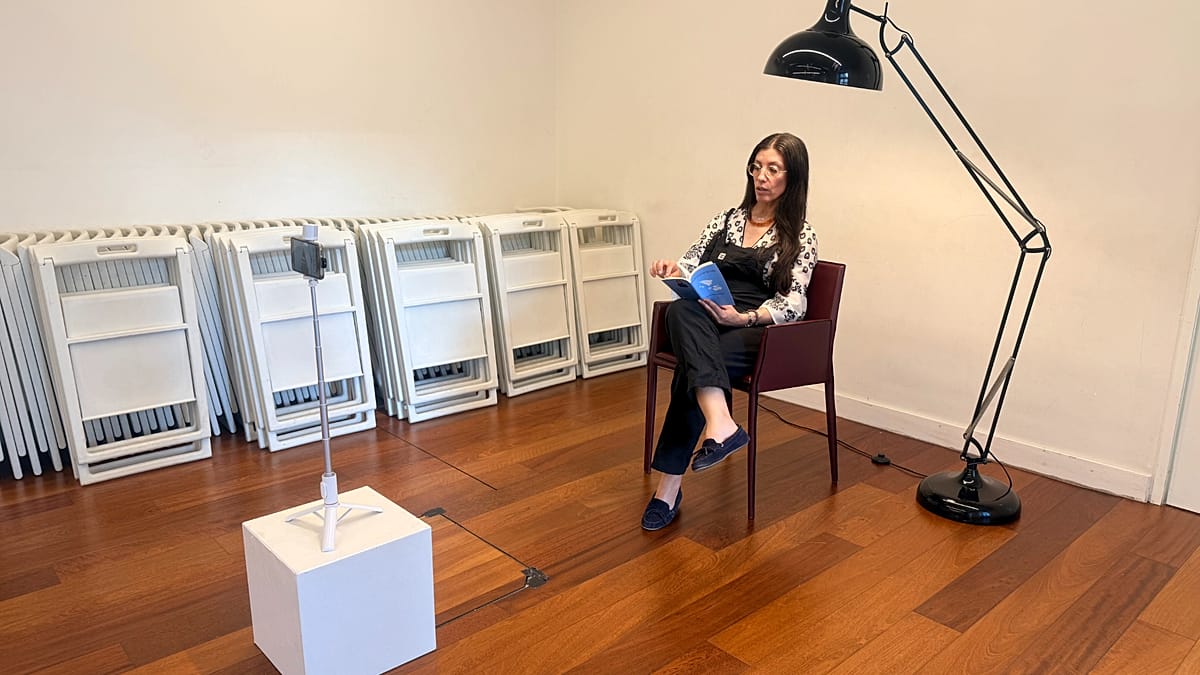
The idea originated with writer Maria Saraiva de Menezes, who was inspired after reading Lídia Jorge's novel Misericórdia, which features a care home resident longing for a volunteer reader. Menezes began by giving in-person readings at the Fundação Lar de Cegos in Lisbon and then launched the video story collection to reach a wider audience.
From Personal Frustration to Community Action
Bengala Mágica was founded by Dídia Lourenço and other parents after her son Pedro lost his sight at six months old. Lourenço recalls the difficulty of finding books her son could access: “My first frustration was going to big bookshops wanting to buy accessible books and not being able to find them. All small children have access to the written word from the moment they are born. I felt that my son should also have the right to the word, in his own form of writing.”
Pedro, now ten years old and in Year 5, has been an avid listener since he could speak. “Ever since I was a baby I’ve been asking for stories,” he says. The range of braille books available in Portugal is very limited, and most braille editions are produced by the Prof. Albuquerque e Castro Centre, part of the Santa Casa da Misericórdia do Porto, which distributes them nationwide. Audiobooks have grown in popularity as an alternative, but supply remains scarce. Haptic illustrations, which allow readers to “see” images through touch, are common in countries like France but are still hard to find in Portugal.
The video collection now includes 115 recordings, with 61 volunteers contributing their voices. Fifteen stories have been published on the YouTube channels of the Lisbon Libraries and Bengala Mágica. “It’s been going well, because stories are being recorded every day, the collection keeps growing, it’s an inclusive activity. It’s for anyone, any child, anywhere in the Portuguese-speaking world, anywhere in the world,” says Menezes.
The library’s coordinator, Ana Gomes dos Santos, notes that the project is not limited to blind or partially sighted readers: it is open to any child or adult who enjoys listening to a story. The next step is to create a similar programme for deaf children. “We are in talks on a partnership with the Portuguese Association of the Deaf, to set up a recruitment pool for Portuguese Sign Language,” she explains.
Menezes describes the project’s momentum as infectious: “People who would never have dreamt of doing this even thank us for having given them this opportunity, when really we should be thanking them for giving their time and their availability, their voice and their love, because that’s exactly what reading stories is about.”
This initiative highlights a broader European challenge: ensuring that children with disabilities have equal access to culture and education. Similar efforts exist in other EU member states, but the gap in accessible materials remains significant. The project’s expansion to include sign language could serve as a model for inclusive storytelling across the continent.