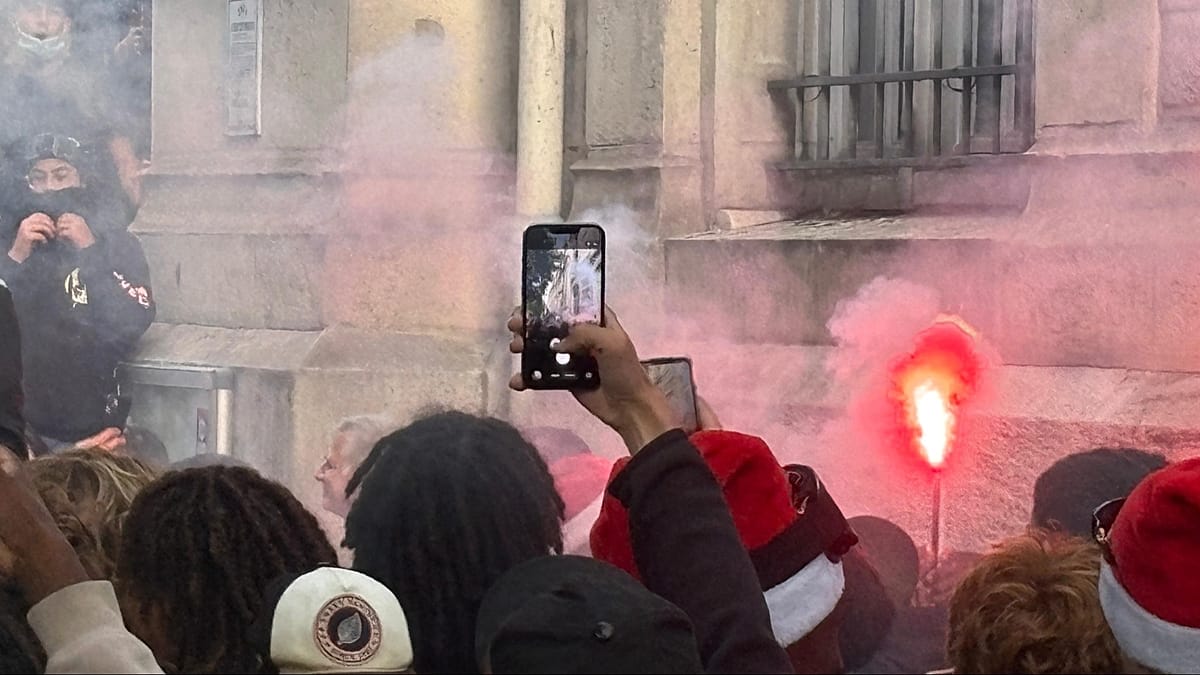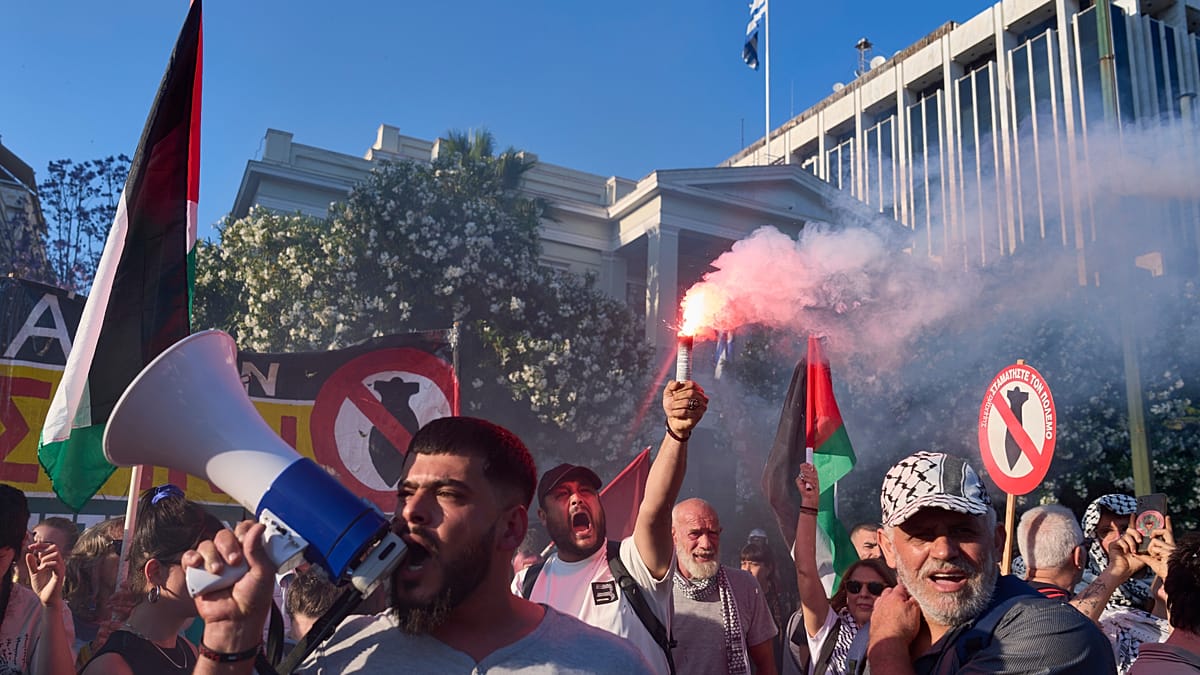
On Thursday, approximately 1,000 pro-Palestinian demonstrators took to the streets of Athens, marching from the city center to the Israeli embassy. The protest followed Israel's interception of a flotilla carrying activists bound for Gaza, an operation that has drawn sharp international condemnation.
The demonstrators, many waving Palestinian flags and carrying signs denouncing the Israeli action, gathered outside the embassy in the capital's upscale Kolonaki district. Chants of "Free Palestine" and calls for an end to the blockade of Gaza echoed through the streets as police maintained a visible presence.
International Backlash Intensifies
The flotilla interception has reignited debates across Europe about the legality and morality of Israel's naval blockade of Gaza. In Italy, Foreign Minister Antonio Tajani has called for EU sanctions on an Israeli minister over the treatment of activists, while Spanish Prime Minister Pedro Sánchez has defended a footballer's gesture of solidarity with Palestinians, as seen in the controversy surrounding Lamine Yamal's Palestinian flag display.
Greek authorities have not commented directly on the protest, but the demonstration underscores the deep divisions within European societies over the Israeli-Palestinian conflict. Greece, a traditional ally of Israel in the Eastern Mediterranean, has seen a rise in pro-Palestinian activism in recent years, particularly among left-wing and diaspora communities.
Context of the Flotilla Incident
The intercepted flotilla, organized by the Freedom Flotilla Coalition, aimed to break the Israeli blockade of Gaza, which has been in place since 2007. Israeli naval forces boarded the vessels, detaining activists and seizing the ships. Video footage released by the Israeli military showed activists being handcuffed and led away, while some activists alleged rough treatment.
In a related development, Israeli Prime Minister Benjamin Netanyahu rebuked a minister after a video surfaced showing him taunting the detained activists. The incident has further strained relations between Israel and several European governments, which have called for a full investigation.
European Reactions and Divisions
The European Union has been cautious in its response, with the European External Action Service issuing a statement urging restraint and respect for international law. However, individual member states have taken more assertive stances. Italy's call for sanctions reflects a growing frustration in some capitals, while others, like Germany, have been more measured, emphasizing Israel's right to self-defense.
The protest in Athens is part of a broader wave of demonstrations across Europe, including in London, Paris, and Berlin. In Greece, the issue resonates particularly strongly due to the country's historical ties with the Arab world and its large Palestinian diaspora community.
As the situation develops, European Pulse will continue to monitor the diplomatic fallout and the impact on EU-Israel relations. For now, the streets of Athens serve as a reminder that the conflict remains a deeply polarizing issue on the continent.