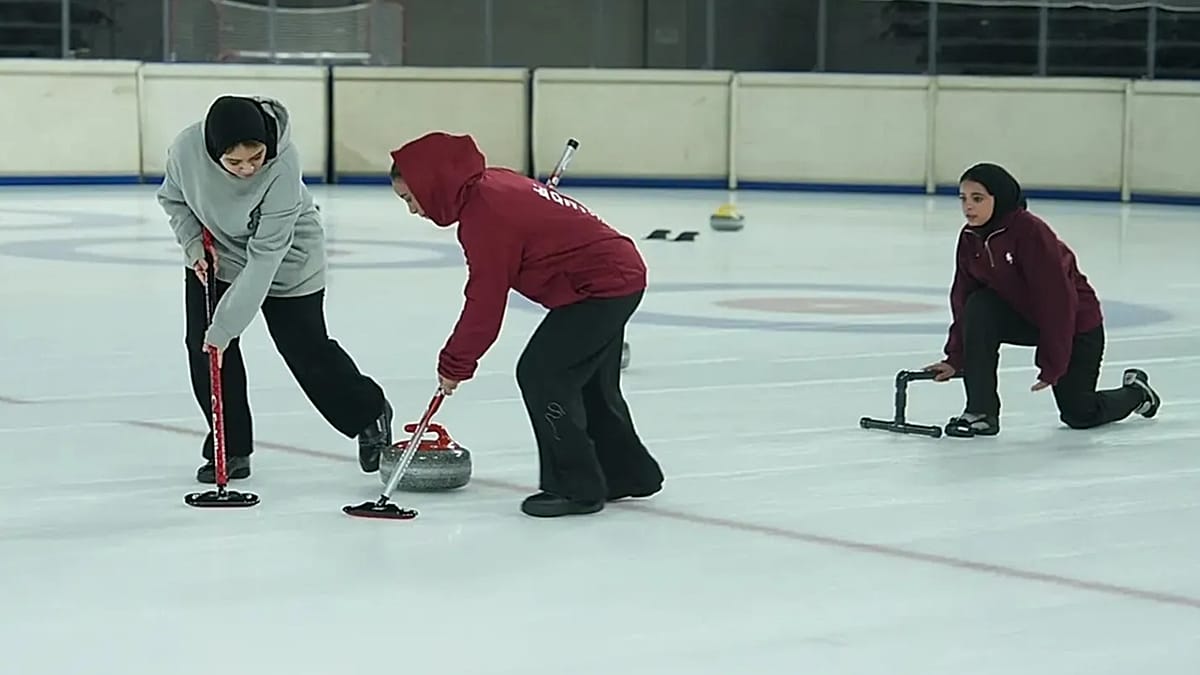
In Doha's Ali Bin Hamad Al Attiyah Arena, the sound of curling stones sliding across ice and the laughter of novice skaters marked an unusual scene for the Gulf state. This was the launch of the Qatar Canada and Mexico 2026 Year of Culture, a year-long programme that uses winter sports as a bridge for cultural exchange and deeper diplomatic engagement.
Winter Sports in the Desert
The Winter Sports Development Programme is the first major public event of the initiative, designed to introduce Qataris and residents to disciplines like curling, short track speed skating, and ice hockey. For many attendees, it was their first encounter with these sports, which are still relatively new to the country. The programme will run throughout 2026 with monthly events aimed at building grassroots participation and creating pathways to competition.
Besan Elwadia, an assistant coach in the Learn to Play Hockey programme, embodies this growth. She started figure skating at 16 and later joined Qatar's first national women's ice hockey team. "We were able to build this community in Qatar, parents from different countries coming together through one sport," she said. "We've grown to over 60 kids in the programme." For Elwadia, the appeal is simple: "Sometimes you just need a cool place and a sport to play indoors."
Diplomacy on Ice
The launch comes at a time of global turbulence. Karim Morcos, Canada's ambassador to Qatar, noted, "We've had a rough couple of weeks, turbulent times. Culture and sports is what brings humanity together. We bring down the barriers and we show what it's like to be human." The initiative reflects broader cooperation, including a 10-year plan between Canada and Qatar to deepen ties across political, security, and economic sectors. Morcos also pointed to preparations for the 2026 FIFA World Cup, which Canada will co-host, saying, "Qatar had a very successful experience, so we're looking to them for lessons."
Mexico, the third partner, sees the Year of Culture as a way to strengthen connections. Guillermo Ordorica, Mexico's ambassador to Qatar, said, "We're three friendly countries… fostering friendship, cooperation and collaboration." He added that Qatar became well-known in Mexico after the 2022 World Cup, and the initiative will reinforce that positive view.
The Year of Culture initiative pairs Qatar with partner countries each year, expanding beyond traditional arts into sport, education, and community programmes. For European readers, this model offers a contrast to the continent's own cultural diplomacy efforts, such as the EU's Creative Europe programme, which focuses on cross-border collaboration within Europe. Qatar's approach, by contrast, uses sport as a soft-power tool to build ties with non-European nations, potentially offering lessons for European countries seeking to engage with the Gulf region.
As the ice melts in Doha, the programme's success may hinge on whether winter sports can truly take root in a country known for its heat. But for now, the sight of families trying curling and children learning to skate suggests that even in unlikely settings, shared experiences can build bridges.