Astana, the capital of Kazakhstan, has welcomed one of Europe's most venerable cultural institutions for the first time. The Royal Danish Theatre, founded in 1748, performed a landmark gala at the Astana Ballet, bringing nearly three centuries of performing arts heritage to a Central Asian stage. The event underscores the city's deliberate positioning as a nexus where European and Asian artistic currents converge.
A Gala Spanning Centuries
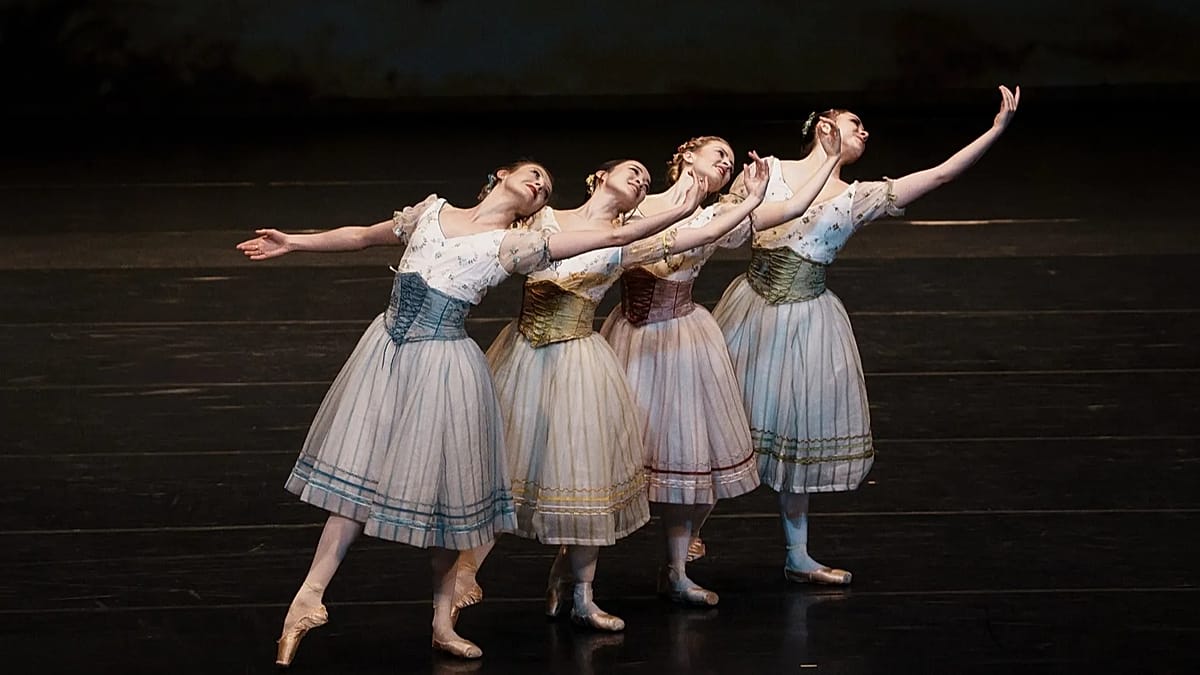
The programme presented by the Danish company was a deliberate journey through time and style. At its heart was the living legacy of August Bournonville, the 19th-century choreographer whose work defines the Danish ballet identity. Pieces like The Jockey Dance and The Kermesse in Bruges showcased the precise, elegant technique for which the tradition is renowned. This classical core was complemented by contemporary European choreography, illustrating the company's dynamic repertoire.
"We brought to Astana from Denmark our most precious cultural heritage – our elevated art," said Royal Danish Theatre ballerina Beatriz Domingues. "It is a national treasure, which is why it is so important to present it to international audiences." The company had previously performed in Almaty, Kazakhstan's largest city, and was returning due to the enthusiastic reception.
A distinct contrast was provided by guest artist Selene Muñoz, whose solo work fused flamenco's fiery intensity with contemporary movement vocabulary. "This solo is very personal to me, as it brings together my Spanish roots and contemporary movement," Muñoz explained. "It’s a way for me to express where I come from and how I move today."
A Homecoming and a Bridge
The tour held special significance for Meirambek Nazargozhayev, the first Kazakh-born artist to join the Royal Danish Theatre. Performing a solo titled 'Loneliness' set to Beethoven's Moonlight Sonata in his home country represented a poignant full-circle moment. His presence embodied the personal and artistic connections being forged between Copenhagen and Astana.
Beyond the stage, the visit's impact extended to the next generation of dancers. At the Kazakh National Academy of Choreography in Astana, company artists conducted masterclasses focused on the Bournonville technique. In a country where ballet training is predominantly influenced by the Russian school, this exposure to a different European classical methodology is particularly valuable.
The sessions were led by experts including Dinna Bjorn, a leading authority on Bournonville heritage. "What makes it special is that it can be combined with other styles," Bjorn noted. "They can perform classical repertoire, including elements of the Russian school, as well as contemporary works, while still staying within the Danish tradition." This pedagogical exchange aims to broaden the artistic perspectives of Kazakh students.
This cultural diplomacy occurs as Kazakhstan and its Central Asian neighbours deepen institutional ties with Europe. Recent regional summits have focused on shared challenges, such as water security, with leaders advancing proposals for a UN water agency to manage transboundary resources. Cultural exchanges like the ballet tour build soft-power connections alongside these diplomatic and economic initiatives.
The Royal Danish Theatre's debut in Astana is more than an isolated performance. It represents a conscious step in the city's ambition to become a recognised international cultural destination. For European institutions, it opens avenues to engaged new audiences far from traditional touring circuits in Western Europe and North America.
As European cultural organisations seek global relevance and new partnerships, such exchanges demonstrate art's role in fostering international dialogue. They also reflect a broader European engagement with Central Asia, a region of growing strategic importance where cultural ties can complement political and economic relationships. The warm reception in Astana suggests a receptive audience for future collaborations, solidifying the city's status as a meeting point between continents.