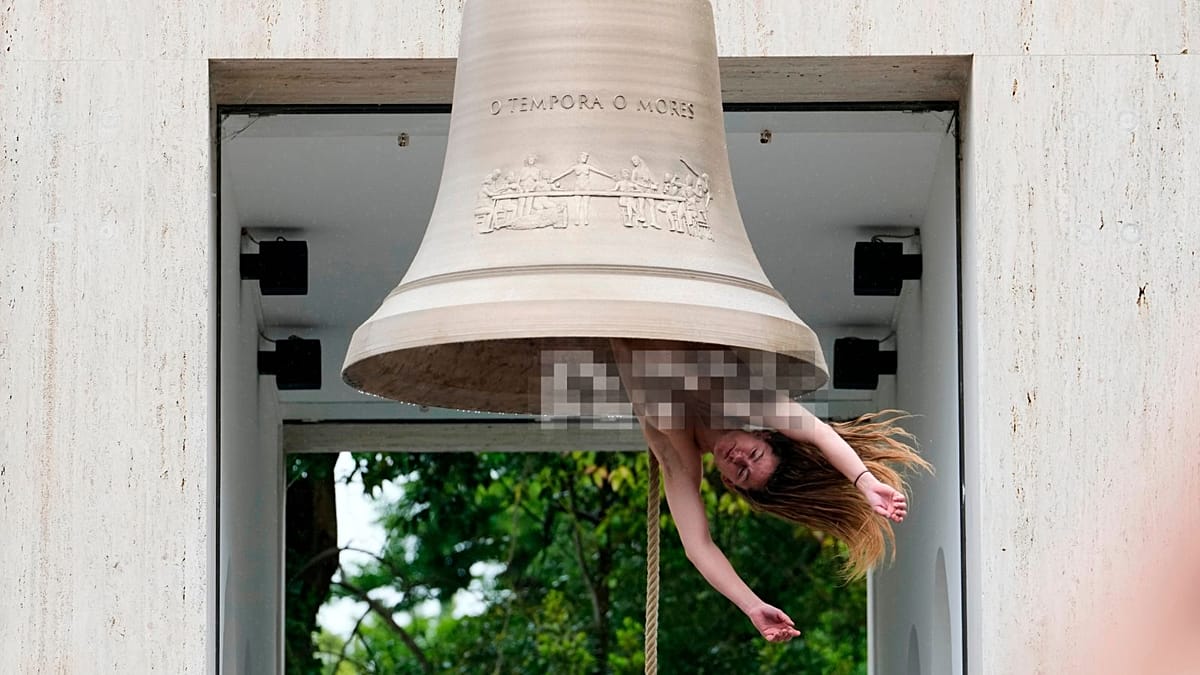
In the port city of Marseille, the electronic music community staged what participants called a 'final rave' this weekend, a symbolic act of defiance against impending legislation from Paris that threatens to severely curtail France's long-standing culture of free parties. The event, drawing organisers, DJs, and attendees from across the region, was conceived as a direct response to a bill currently moving through the French parliament that would enact harsh penalties for unsanctioned gatherings, known locally as 'teknivals' or 'frees'.
A Legislative Crackdown
The proposed law, which has already passed the Assemblée Nationale and awaits consideration by the Sénat, targets gatherings of more than 250 people held without official authorisation. It proposes penalties of up to six months in prison and fines reaching €30,000 for organisers. Participants themselves would not be spared, facing fines of €1,500, which could double to €3,000 for repeat offences. The legislation is framed by the government of the Cinquième République as a necessary tool for maintaining public order, preventing environmental damage from often rural or coastal events, and ensuring safety standards are met.
However, for the community that revolves around these events, the law represents a fundamental attack on a cherished subculture. "I think that if they had been with us, they might have a different idea of what this scene is and of the possibilities it opens up," said Sacha, an event organiser in Marseille, highlighting a perceived disconnect between lawmakers in Paris and the realities of the free party scene. The sentiment on the ground is one of being profoundly misunderstood and unfairly targeted.
Security or Authoritarianism?
The government's public safety rationale is being vigorously contested by electronic music advocacy groups. Organisations like Technopol, which defends electronic music culture across France, argue the crackdown is disproportionate. In a statement, the group contended that a "policy that criminalises and represses free parties so violently" is "not about security" but about "authoritarianism." They point to the self-regulating nature of many of these gatherings and their role as cultural incubators, arguing that the state's approach should be one of dialogue and facilitation, not criminalisation.
This clash touches on a deeper tension in French society between individual liberty and state control, a recurring theme from the salons of Paris to the banlieues. The free party movement, with its roots in the 1990s acid house and rave culture, has often operated in a legal grey area, valuing spontaneity and community over commercialism and permits. For its adherents, the proposed law is not merely an administrative hurdle but an existential threat to a form of collective expression.
The issue also has a distinct geographical dimension. While the legislation emanates from the capital, its impact will be felt most acutely in regions like Provence-Alpes-Côte d'Azur, where Marseille is located, and other areas with strong traditions of outdoor gatherings, from the woodlands of Normandy to the beaches of the Atlantic coast. Local authorities in these regions have often had a complex, sometimes tolerant, relationship with the scene, which the new national law seeks to override with a uniform, punitive approach.
Beyond France's borders, the situation is being watched closely. Similar debates around unlicensed gatherings and public space occur in other European capitals, from Berlin's club culture facing gentrification pressures to the UK's history of regulating raves. A decisive French crackdown could influence policy discussions elsewhere in the EU, setting a precedent for how member states balance cultural expression with regulatory control. The European perspective is crucial, as the continent's vibrant and diverse nightlife is often seen as a key part of its soft power and creative economy.
The Marseille event, therefore, was more than a party; it was a political statement. As the bill proceeds to the Sénat, the rave's 'final' moniker underscores a palpable fear within the community that a specific, organic part of European youth culture is being legislated out of existence. The outcome will determine whether France's famed liberté extends to the fields and warehouses where its electronic heartbeat has pulsed for decades, or if a more controlled, permitted vision of public assembly becomes the norm.