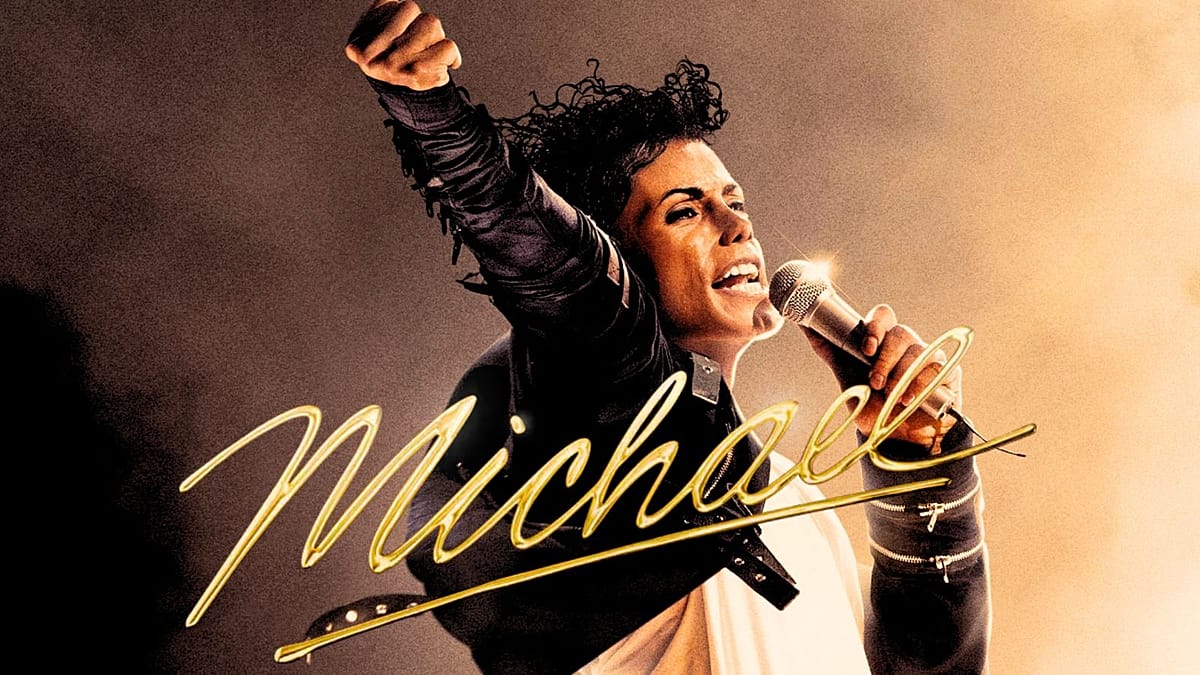
The long-awaited, estate-sanctioned biopic of Michael Jackson has arrived in cinemas, and the verdict from critics across Europe is damning. Michael, directed by Hollywood's Antoine Fuqua and starring the singer's nephew, Jaafar Jackson, is being dismissed as a creatively bankrupt and morally evasive piece of filmmaking that serves more as a brand management exercise than a serious exploration of a cultural icon.
A Formulaic and Sanitised Portrait
Chronicling Jackson's life from his childhood in Gary, Indiana, with the Jackson 5 through to the peak of his solo fame around the 1987 Bad album, the film pointedly stops before the allegations of child sexual abuse that came to define the latter part of his life and legacy. This selective framing is the core of the criticism: the film functions as a hagiography, meticulously scrubbed of any substantive conflict or darkness.
Key elements of Jackson's difficult biography are omitted or softened. The alleged violent abuse from his father, Joe Jackson, is downplayed. His early sexual experiences and the profound body dysmorphia and psychological trauma wrought by fame are largely absent. The result, critics argue, is a dramatically inert and emotionally hollow recitation of career milestones, designed to sell records and placate the most uncritical fans rather than to understand the man.
"It removes everything from his early life story that could be deemed contentious," wrote one London-based critic, drawing parallels to other maligned musical biopics like Bohemian Rhapsody and Back to Black. "No need for any of that in this drama-free, formulaic and estate-controlled excuse to sell more albums."
European Cinematic Context and Talent Wasted
The project's failure is seen as a particular waste of talent. Fuqua, director of Training Day, is accused of being a "corporate stooge" on this production. Jaafar Jackson, while delivering an uncanny physical and vocal impersonation of his uncle, is trapped in a film that offers him no depth to portray. The involvement of Oscar-nominated screenwriter John Logan (Gladiator, Skyfall) only deepens the mystery of the film's bland, saccharine script.
The European perspective on such a major American pop culture product is often one of scepticism towards its commercial sanitisation. The film's most glaring missteps, such as scenes emphasising Jackson's hospital visits with sick children, are viewed not as poignant character moments but as transparent, tone-deaf attempts by the estate to rehabilitate his image in light of the later allegations.
This release comes amid broader European cultural debates about separating art from the artist and how contemporary audiences engage with problematic legacies. The film's refusal to engage with these questions renders it irrelevant to that conversation, offering instead what one Parisian reviewer called "soulless slop."
While not a European story in origin, the film's global release and its treatment of a figure who dominated European charts and stages for decades gives it cultural relevance across the continent. Its critical reception in publications from Berlin to Rome highlights a shared disappointment in a missed opportunity for meaningful biography.
For audiences, the message is clear: Michael provides a competent re-enactment of music videos and stage performances, but offers no insight into the tortured genius behind them. As the review concluded, adapting Jackson's own lyrics, the only thing viewers will want to scream by the end is 'Enough'.