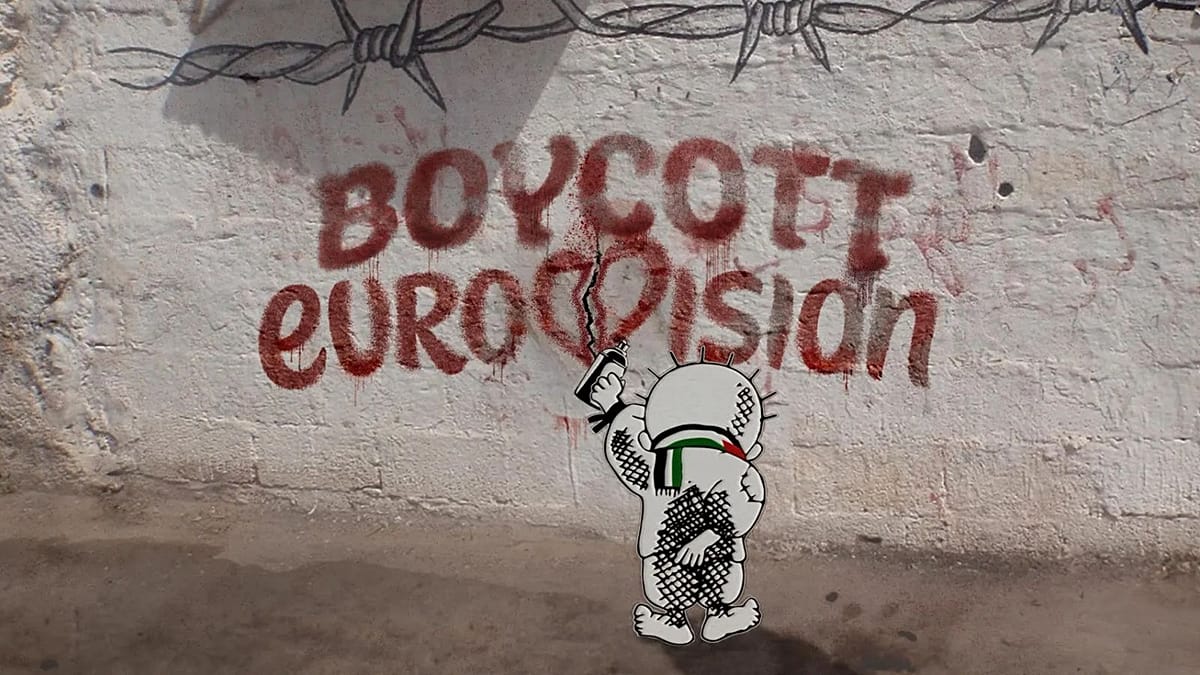
Over a thousand musicians from across Europe and beyond have united in a forceful demand for the exclusion of Israel from the Eurovision Song Contest. In an open letter, artists including the British trip-hop pioneers Massive Attack, Irish-language rap group Kneecap, Icelandic post-rock band Sigur Rós, and producer Brian Eno call for a public boycott of the 2026 event, set for Vienna, Austria.
The letter, organised by the groups No Music For Genocide and the Palestinian Campaign for the Academic & Cultural Boycott of Israel, directly challenges the European Broadcasting Union (EBU). It demands the EBU ban KAN, Israel's public broadcaster, from the upcoming contest. The signatories argue that allowing Israel to participate while Russia remains banned for its invasion of Ukraine represents a stark double standard.
A Question of Hypocrisy and Complicity
"For the third consecutive year," the letter states, Israel will be "celebrated onstage despite its ongoing genocide in Gaza, while Russia remains banned for its illegal invasion of Ukraine." The artists frame their refusal to engage with the contest as an act of moral necessity. "We refuse to be silent when Israel’s genocidal violence soundtracks and silences Palestinian lives," the letter reads, detailing the destruction of cultural infrastructure in Gaza.
A spokesperson for No Music For Genocide underscored the geopolitical weight of the contest, stating, "genocidal Israel’s leaders speak openly about the contest’s geopolitical value." The organisers praised the five countries—Spain, Ireland, Slovenia, the Netherlands, and Iceland—that have withdrawn from this year's contest, alongside national selection finalists who have refused to participate.
The artists' statement concludes with a broader call to action: "As artists, we recognise our collective agency – and the power of refusal. We refuse to be silent. We refuse to be complicit. We call on others in our industry to join us."
The EBU's Persistent Defence
The EBU has consistently defended its decision to permit Israel's participation, a stance that has drawn sustained criticism and allegations of hypocrisy since it expelled Russia in 2022. The union maintains its decisions are based on its own rules and the status of its member broadcasters. Israel vehemently denies committing genocide in Gaza, though a UN inquiry concluded otherwise in September 2025.
Kneecap highlighted the perceived inconsistency, stating, "Russia was banned from Eurovision in 2022. For the third year running, [Israel is] welcomed back onto the stage. That’s not neutrality. That’s a choice." The controversy places immense pressure on the EBU, which oversees the world's largest live music event, watched by 166 million people last year.
The boycott call intersects with wider European debates about the continent's role in the Middle East conflict. The EU's energy chief has warned of prolonged economic repercussions from the ongoing violence, while European civil society actions, such as the civilian flotilla attempting to reach Gaza, continue to draw attention to the humanitarian crisis.
This cultural-political storm arrives as Europe grapples with its own internal challenges, from corruption investigations within the EU to integrating security lessons from other conflicts, as former Finnish Prime Minister Sanna Marin has urged. The Eurovision boycott movement thus becomes a focal point where international justice, cultural expression, and European institutional credibility collide.
The final of the 70th Eurovision Song Contest is scheduled for 16 May 2026 in Vienna. Whether the gathering of artists in the Austrian capital will be overshadowed by protest and absence remains one of the most pressing questions in the European cultural calendar.



