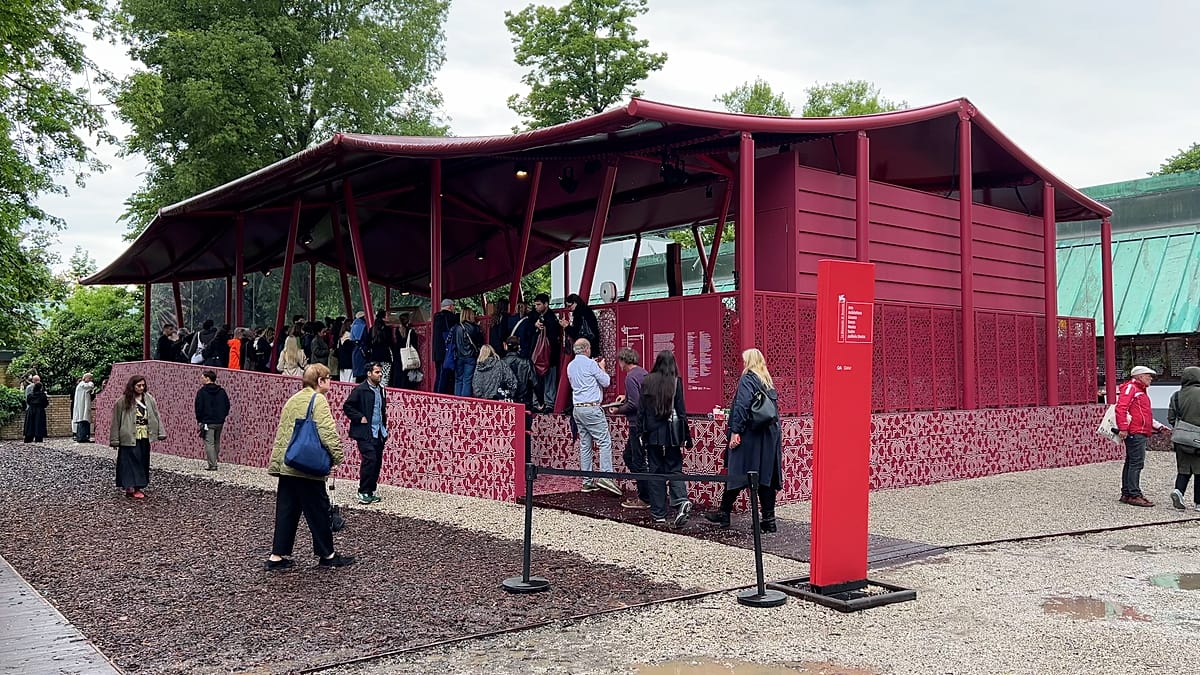
Inside the Giardini della Biennale, Qatar's pavilion for the 2026 Venice Biennale offers more than a static display. Visitors are greeted by a towering sculptural water vessel, Jerrican, by Kuwaiti-Puerto Rican artist Alia Farid. The piece draws on traditional Gulf containers used to offer water to desert travelers, but Farid sees it as a meditation on how modernity reshapes community and ritual.
The pavilion, which activates the future site of Qatar's permanent space, brings together artists, musicians, and chefs from across the Arab world and its diasporas. Rather than a conventional exhibition, it shifts constantly through sound, movement, and interaction—shaped as much by visitors as by the artworks themselves.
Food as a Bridge Across Cultures
Palestinian chef Fadi Kattan curated the culinary program, assembling chefs from Qatar, Bahrain, the UAE, and beyond. For Kattan, Venice itself carries historical weight: from the 13th to the 15th century, all spices entering Europe passed through the Arab world into Venice. “So it’s like a thousand years later, ‘Hello, we’re still here,’” he said.
Even the drinks served inside the pavilion reflect layers of cultural exchange. “With the drink that was developed by the team, it has sumac, zaatar, fenugreek, mahlab,” Kattan explained. “Basically every country of the region has somehow contributed to a part of it. That is the strength of art and food and culture.” Qatari chef Noof Al Marri added that food becomes a way of sharing stories across cultures and generations: “We can bring all people together in one table and share, and everyone is happy. Share the story.”
Visitors are encouraged to sit, eat, listen to music, and spend time inside the space rather than simply walk through it. Co-curator Ruba Katrib described the atmosphere: “People are talking, they’re drinking juices, they’re eating food, they’re listening to music, they are watching the film, and they’re hanging out here. So it’s really about a gathering space, a space of coming together.”
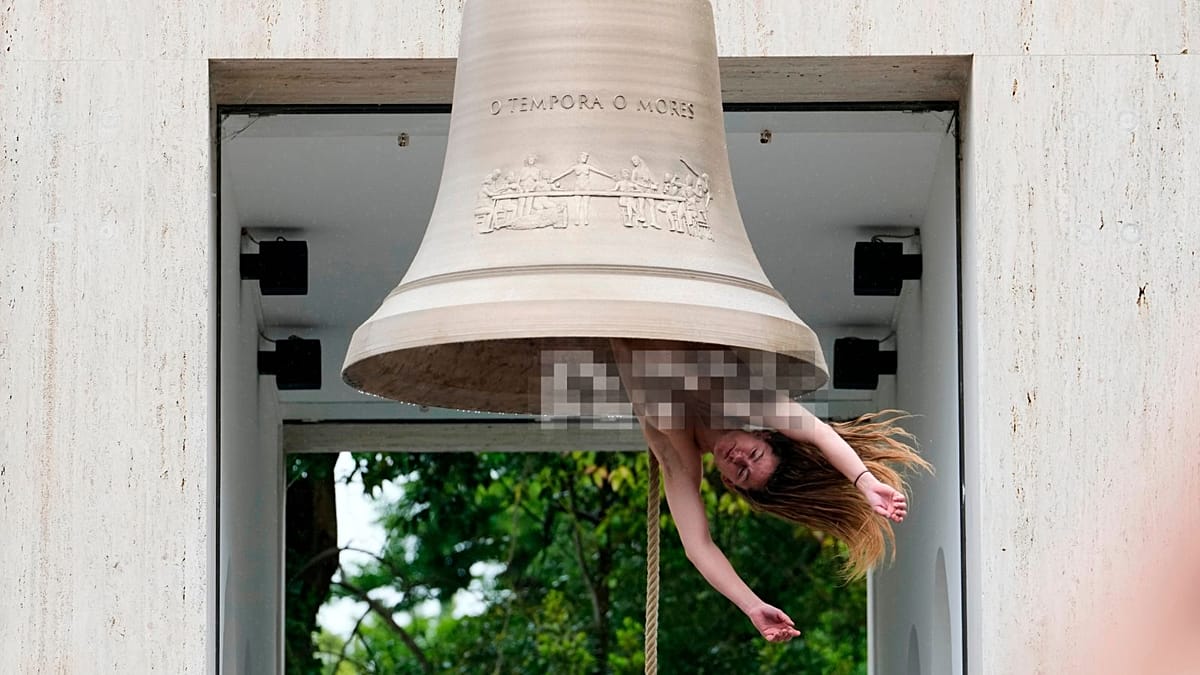
This evolving atmosphere is exactly what organizers hoped to create. The pavilion's program includes performances, film screenings, and kitchens serving dishes inspired by flavors from across the Middle East. For more on the broader Biennale, see our coverage of Venice Biennale 2026: Naked Bell Ringers and Drone Carpets Dazzle.
The exhibition also touches on migration and belonging—themes that resonate across Europe, where debates about identity and hospitality remain central. As the continent grapples with its own relationship to migration, Qatar's pavilion offers a counterpoint: a space where hospitality is not a burden but a shared ritual. For context on the Biennale's political dimensions, see Pussy Riot and FEMEN Protest Russia's Venice Biennale Return Amid Ukraine War.
Ultimately, the pavilion is a testament to the power of art and food to create connections across borders. As Kattan put it, “That is the strength of art and food and culture.”