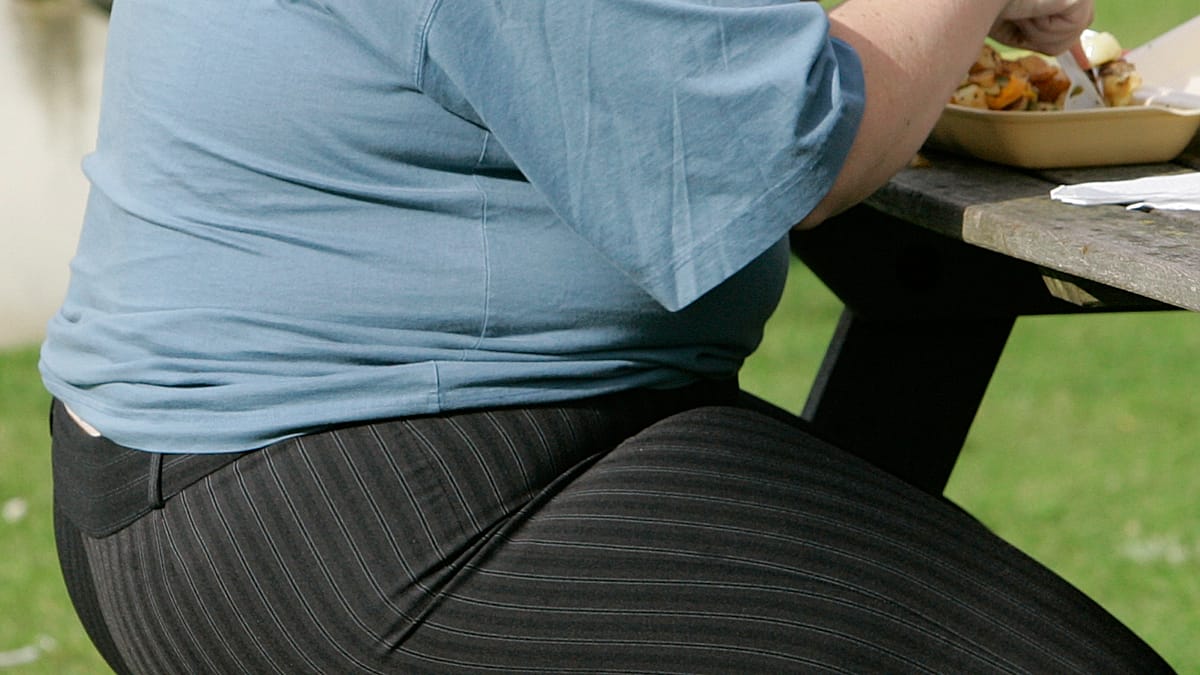
A recent study published in the Journal of Epidemiology & Community Health has revealed that children in England, Scotland, and Wales are growing taller on average. However, researchers from the University of Oxford and University College London caution that this trend is not a sign of better health. Instead, it is closely tied to rising childhood obesity, particularly among children from poorer backgrounds, and widening socioeconomic inequalities.
Height Gains Mask a Troubling Trend
The study, led by Andrew Moscrop, analyzed data from the National Child Measurement Programme. It found that the mean age-standardised height of 11-year-old boys in England increased from 145 cm in the 2009/10 school year to 145.7 cm in 2019/20, then jumped to 146.5 cm during the COVID-19 pandemic in 2020/21, before easing slightly to 146.4 cm in 2023/24. For girls of the same age, average height rose from 145.8 cm in 2009/10 to 146.6 cm in 2019/20, peaked at 148 cm during the pandemic, and stood at 147.5 cm in 2023/24.
These gains accelerated sharply during the pandemic, a period when school closures and home confinement reduced opportunities for physical activity and led to less healthy diets, especially among children from more deprived areas. The researchers argue that the increase in average height is a direct consequence of rising obesity rates, not improved nutrition or overall child well-being.
Obesity and Inequality: A Vicious Cycle
The link between height and obesity is most pronounced in deprived communities. For example, the average height of 11-year-old boys in England’s most deprived areas increased by 1.7 cm between 2009/10 and 2023/24. Over the same period, the proportion of children who were overweight or obese in these areas rose from 37.7% to 43.3%.
“Children in poorer areas are exposed to more unhealthy food outlets and fewer healthy food sources,” Moscrop explained on the University of Oxford blog. The study used the Index of Multiple Deprivation, a government measure combining income, employment, education, health, crime, and housing, to compare the most and least deprived 10% of neighbourhoods.
Interestingly, the research also found that height inequalities are narrowing. Among boys, the gap in height between the most and least deprived deciles is closing, though those in the least deprived group remain taller on average. Among girls, the shift is more dramatic: the deprivation gap closed entirely during the pandemic and briefly reversed, with girls from the most deprived decile actually outstripping those from the least deprived.
Europe’s Obesity Landscape
Childhood obesity is a growing problem across Europe. According to WHO data, the prevalence among 5- to 19-year-olds in the WHO European region—which includes around 50 countries, from Russia to Turkey and several Central Asian states—doubled from 3.8% in 1990 to 8% in 2022. The United Kingdom saw an even steeper rise, from 4.5% to 11.3% over the same period.
By 2022, the UK had the highest childhood obesity rate among Europe’s five largest economies, ahead of Spain (10.5%), Italy (9.6%), and Germany (8.5%). France recorded the lowest rate among these five, at just 4.1%. This disparity highlights the uneven impact of obesity across the continent, with southern and western European nations faring worse than their northern neighbours.
The findings underscore the need for targeted public health interventions. As the study notes, the pandemic exacerbated existing inequalities, and the trend shows no sign of reversing. For European policymakers, the challenge is not just about promoting healthier lifestyles but also addressing the structural factors—such as access to affordable, nutritious food and safe spaces for physical activity—that drive obesity in disadvantaged communities.
For a broader perspective on health and well-being across Europe, see our coverage of tap water safety and how diet affects mental health in young children.