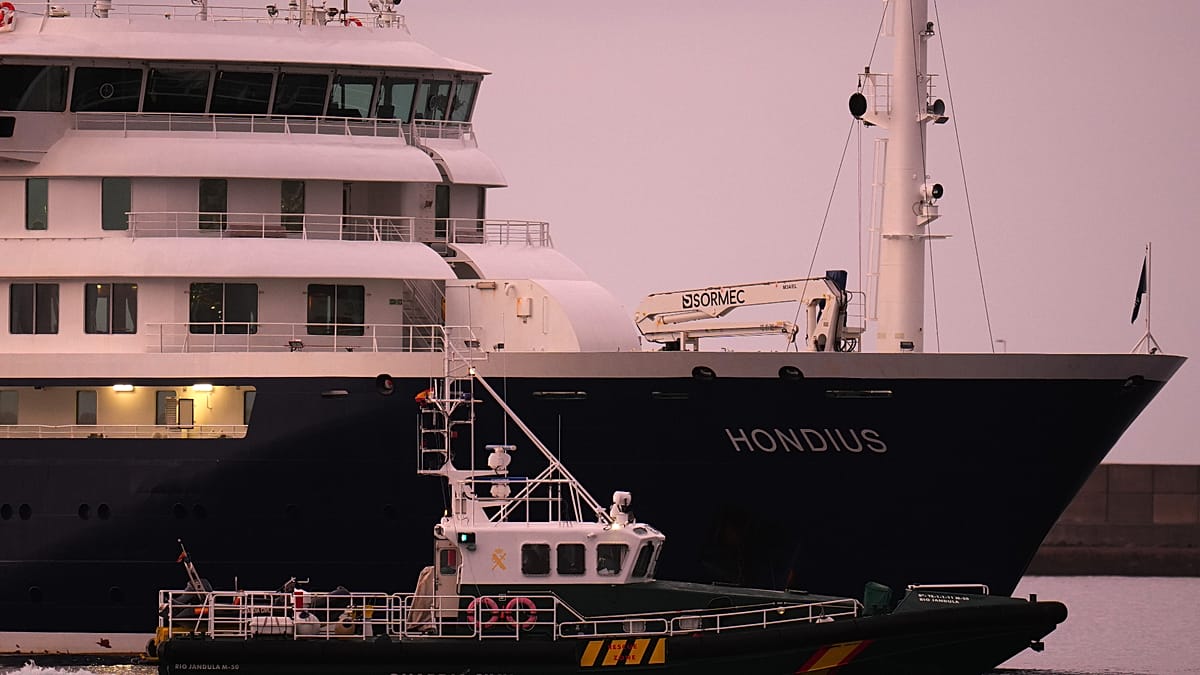
The Dutch-flagged cruise ship MV Hondius, at the centre of a rare hantavirus outbreak, docked at the port of Granadilla in Tenerife on Sunday. Escorted by a Spanish Civil Guard vessel, the ship’s arrival marks the beginning of a carefully orchestrated evacuation of most of the nearly 150 passengers and crew on board.
Three people have died from the Andes virus, a strain of hantavirus that can spread between humans: a Dutch couple and a German woman. Several others have fallen ill. The World Health Organization (WHO) has confirmed six cases out of eight suspected ones, with no remaining suspected cases on the vessel.
Phased Evacuation and Strict Protocols
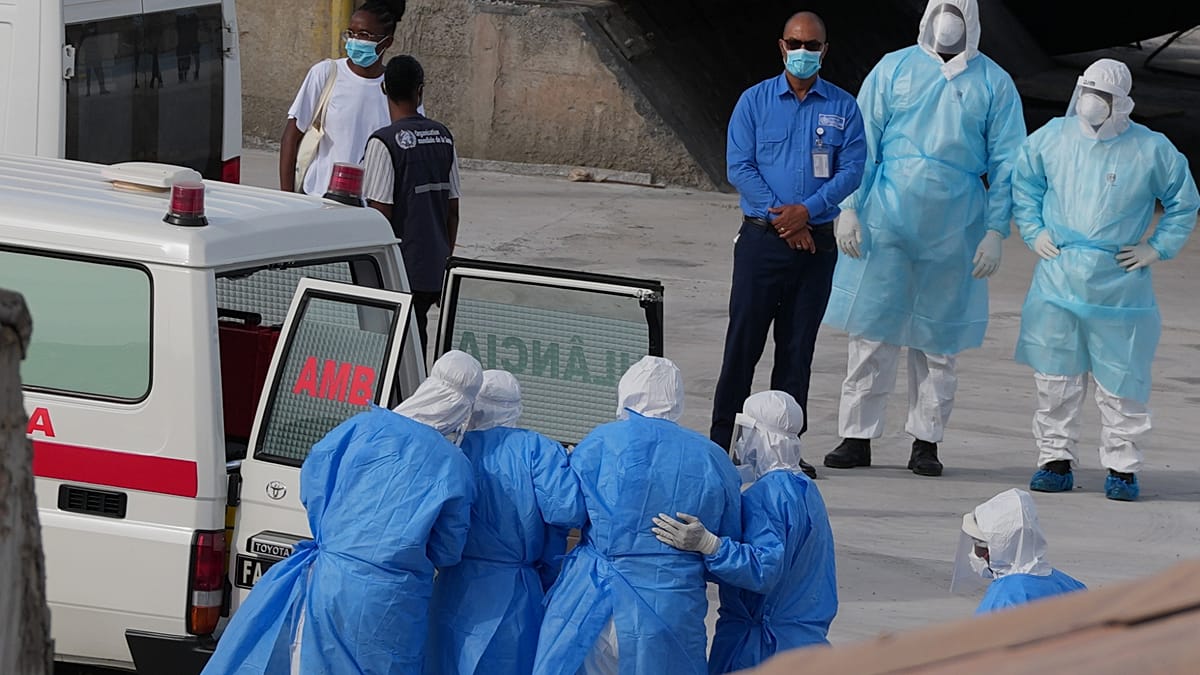
Spanish authorities have implemented a strict disembarkation plan to prevent any contact with the local population. Passengers will leave the ship in groups of five, each group boarding a dedicated aircraft at Tenerife South International Airport according to their nationality. The first to be evacuated are Spanish passengers and crew, along with an African medical expert.
“All areas the passengers pass through will be sealed off,” Spain’s interior minister said, adding that a maritime exclusion zone is in force around the vessel. Health minister Javier Padilla confirmed that a woman in eastern Spain who developed symptoms after contact with an infected passenger is now in isolation in hospital.
The WHO’s epidemic and pandemic preparedness director, Maria Van Kerkhove, described everyone on board as a “high-risk contact,” but stressed that the risk to the general public and residents of the Canary Islands remains low. WHO chief Tedros Adhanom Ghebreyesus, who travelled to Tenerife to oversee the operation, sought to calm fears: “This is not another Covid,” he wrote in an open letter to the people of Tenerife.
Tracking and Tracing Across Borders
The MV Hondius departed from Ushuaia, Argentina on 1 April for a transatlantic voyage to Cape Verde. Three infected individuals were evacuated there earlier in the week. Health authorities in several countries are now tracking passengers who disembarked before the outbreak was confirmed, as well as anyone who may have come into contact with them.
A flight attendant on KLM who showed mild symptoms after contact with an infected passenger tested negative for hantavirus, the WHO reported on Friday. The passenger in question—the wife of the first person to die—had briefly been on a flight from Johannesburg to the Netherlands on 25 April but was removed before take-off. She died the following day in a Johannesburg hospital.
Two Singapore residents who had been on the ship tested negative but remain in quarantine, according to local authorities.
Provincial health official Juan Petrina noted that there is an “almost zero chance” the Dutch man contracted the disease in Ushuaia, based on the virus’s incubation period and other factors. The exact source of the outbreak remains under investigation.
After the evacuation is complete, the MV Hondius will continue its journey to the Netherlands. The coordinated response highlights the challenges of managing a rare but serious infectious disease outbreak in a mobile, international setting—and the importance of clear communication to avoid public panic.