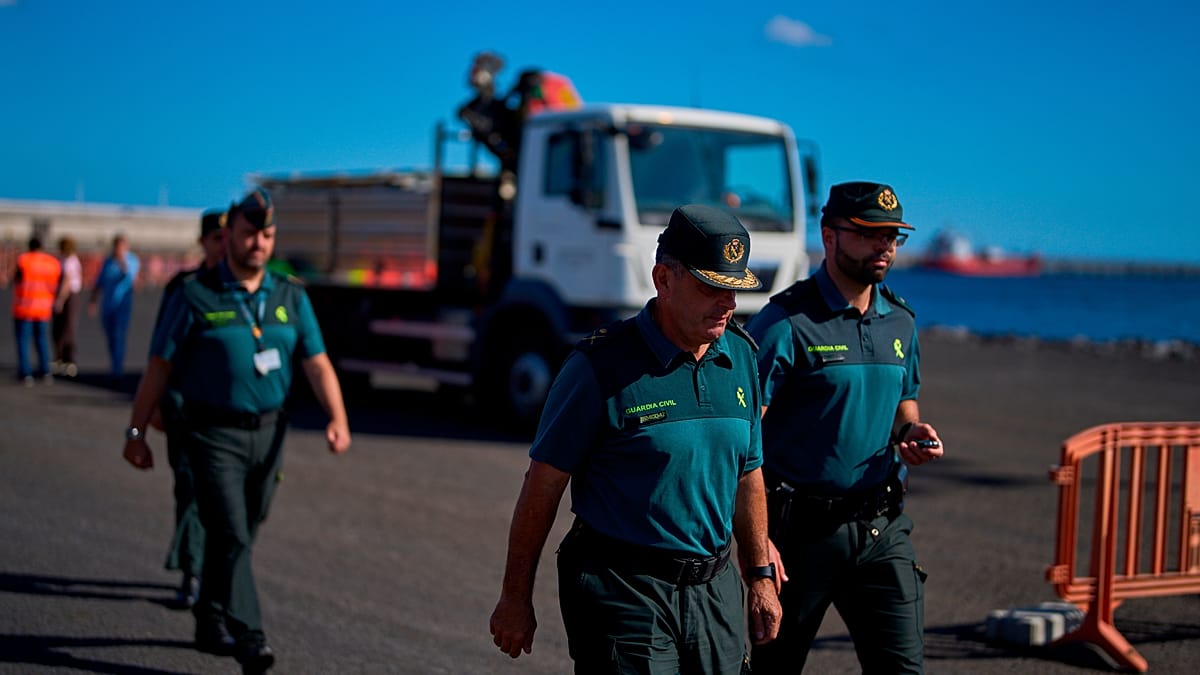
The Spanish government has reached an agreement with the World Health Organisation (WHO) to allow passengers and crew from the MV Hondius, a cruise ship affected by a hantavirus outbreak, to disembark at the port of Granadilla de Abona in southeastern Tenerife this weekend. The decision has provoked anger among local dock workers, who gathered outside the Canary Islands parliament building in Santa Cruz de Tenerife, blowing whistles, sounding vuvuzelas, and brandishing banners to voice their concerns about potential health risks.
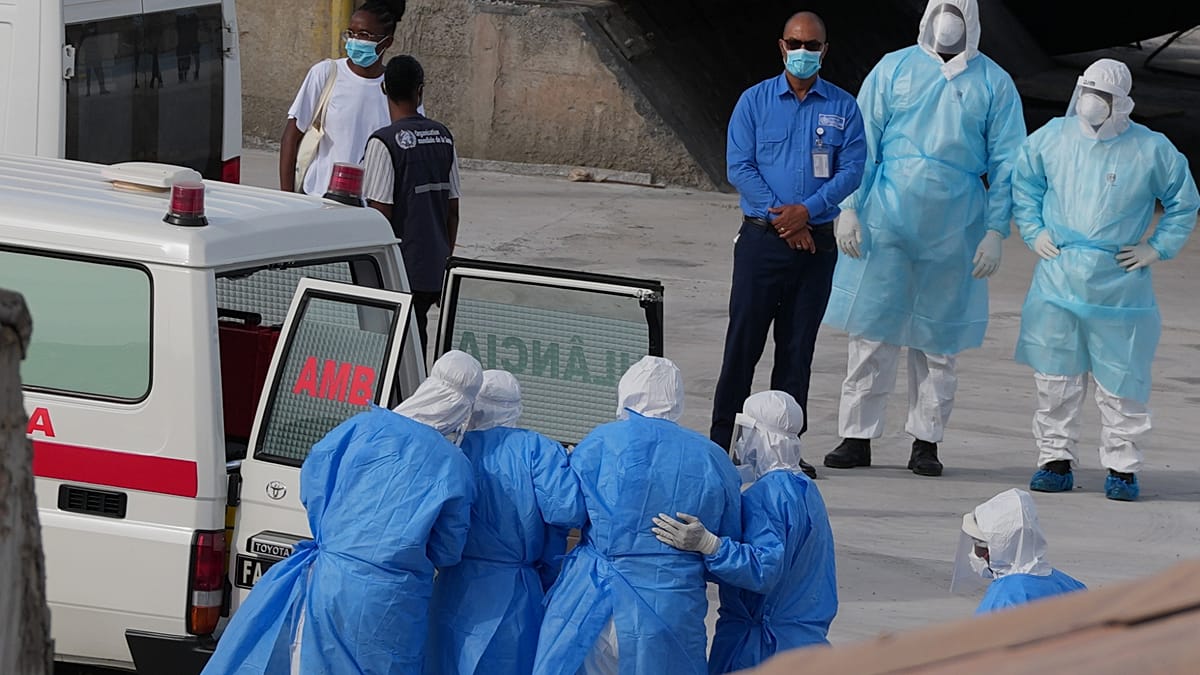
The vessel, which had travelled from Cape Verde where three people were evacuated due to illness, is carrying over 140 passengers and crew. Spanish authorities are preparing for what Health Minister José Miñones called an “unprecedented operation,” with the evacuation needing to be completed within 24 hours of the ship's arrival on Sunday, or risk delays of days or even weeks due to adverse weather conditions. Alfonso Cabello, a regional government spokesperson, told reporters on Friday that the only viable window is around midday on Sunday until conditions change on Monday.
International Response and Quarantine Plans
The United States has agreed to send a plane to repatriate approximately 17 American citizens still on board. These passengers will be quarantined at the National Quarantine Unit at the University of Nebraska Medical Centre and Nebraska Medicine, a facility previously used to treat Ebola patients and some of the first COVID-19 cases. None of the American passengers currently show symptoms, and doctors will determine the quarantine duration after assessment.
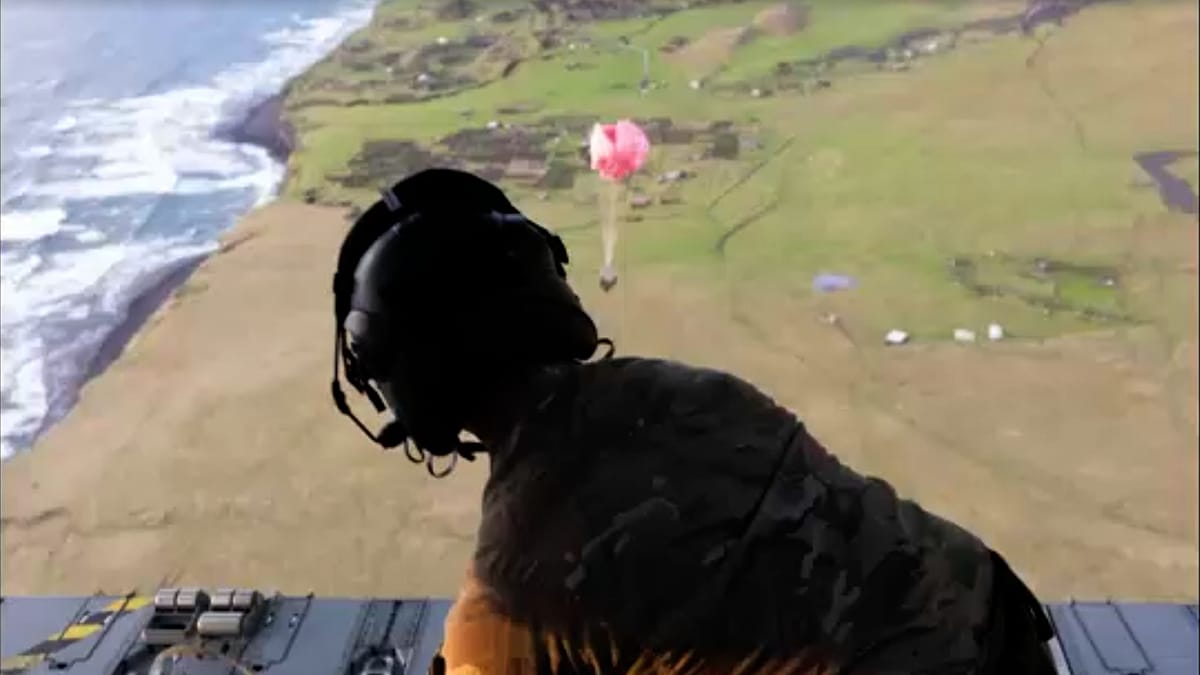
So far, three people—a Dutch couple and a German national—have died in the outbreak. Four others have been confirmed infected: two Britons, a Dutch national, and a Swiss national, who are being treated in hospitals in the Netherlands, South Africa, and Switzerland. On Friday, British and Spanish authorities reported two possible new cases: one involving a British national on the South Atlantic island of Tristan da Cunha, where the cruise ship stopped on 15 April, and another involving a woman in a hospital in Alicante, eastern Spain, who was on the same flight as a Dutch patient who died in Johannesburg after contracting the virus.
The WHO stated in a release on 8 May that eight cases, including three deaths (a case fatality ratio of 38%), have been reported, with six laboratory-confirmed as hantavirus infections, all identified as Andes virus (ANDV). The organisation assessed the risk to the global population as low but noted that the risk for passengers and crew on the ship is moderate. Worldwide, an estimated 150,000 to 200,000 hantavirus infections occur annually, and the virus is increasingly classified as an emerging threat due to fluctuating outbreak clusters and high mortality rates in certain variants.
For more context on the local reaction, see Tenerife Residents Calm as Hantavirus-Linked Cruise Ship Docks. The EU has coordinated a response, as detailed in EU Coordinates Response to Hantavirus Outbreak on Cruise Ship, Says Public Risk Low. Earlier evacuations were reported in Three Evacuated from MV Hondius in Cape Verde Over Suspected Hantavirus.