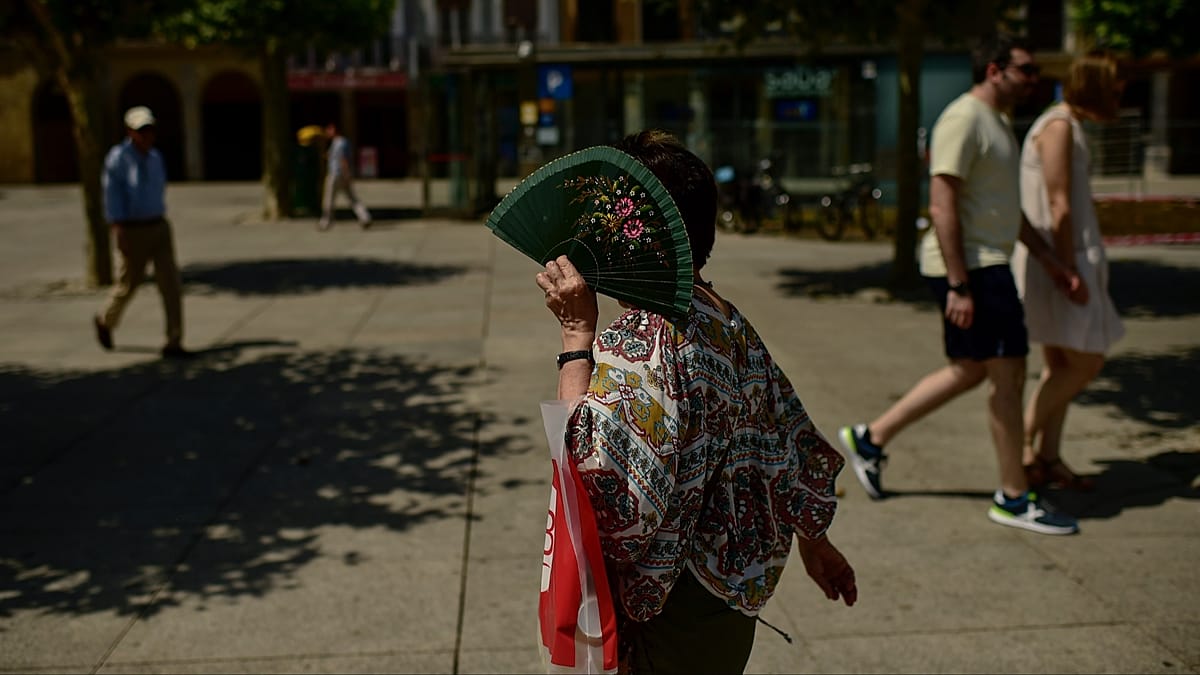
As extreme heat becomes the deadliest environmental hazard in Europe, Spain has emerged as a pioneer with its network of climate shelters. Last year, Prime Minister Pedro Sánchez announced that government buildings across the country would open their doors to the public during heatwaves, building on existing local initiatives in Catalonia, the Basque Country, and Murcia. In Barcelona alone, 400 shelters—including libraries, museums, sports centres, and shopping malls—now offer air-conditioned spaces with seating and free water, targeting the most vulnerable: the elderly, infants, and those with pre-existing health conditions.
Why Spain Acted
The push gained urgency after the summer of 2025, when a 16-day heatwave pushed temperatures to a deadly 45°C. Spain recorded over 150,000 heat-related deaths that year, the second-highest total ever. More than 10,000 of those deaths were linked to prolonged exposure to moderately high temperatures, which, as experts warn, have cumulative effects even without official heat alerts. The death of Montse Aguilar, a 51-year-old street cleaner in Barcelona who collapsed after a shift in 35°C heat, sparked protests and demands for better protection of outdoor workers.
Spain's approach reflects a broader recognition that heat is a public health crisis. According to the country's daily mortality surveillance system (MoMo), most of the 21,700 heat-related deaths between 2015 and 2023 were among people over 65. Vulnerable populations are disproportionately affected, with factors like poor housing, low income, and demanding jobs compounding the risk.
The Rest of Europe Lags
Yet Spain remains an outlier. Europe is warming faster than any other continent, and last year, Finland endured three consecutive weeks of 30°C temperatures, forcing a northern ice rink to serve as a makeshift shelter. Heatwaves swept Italy, France, Portugal, and the UK, making 2024 Europe's third hottest year on record. The Lancet Countdown Europe report estimates 62,000 heat-related deaths across the continent in 2024. Elvira Jiménez, a PhD student at the Open University of Catalonia's Digital Transformation and Governance Research Centre (UOC-DIGIT), warns that mortality is rising fastest in southern Europe—Spain, Italy, Greece, France, Croatia, Cyprus, Slovenia, Malta, and Serbia—but also steadily in central and eastern countries like Germany, Austria, Hungary, Bulgaria, Romania, Estonia, and Lithuania.
“Extreme heat is a public health issue affecting all European countries to a greater or lesser extent,” Jiménez says. “Even those facing less urgency should use the opportunity for better planning.”
Challenges and the Path Forward
Climate shelters are free to use, but ensuring they reach the most vulnerable requires careful planning. Jiménez argues that municipalities should map not just heat exposure but also broader vulnerability indicators—age, health, housing quality, income—to place shelters where they are needed most. Keeping shelters open during peak demand, maintaining basic comfort, and communicating access inclusively are ongoing challenges. This demands collaboration beyond government: community groups, NGOs, and local businesses can help extend hours and build trust.
“The ultimate challenge is to shift climate shelters from short-term emergency measures into permanent, inclusive, multifunctional urban spaces that both protect people from extreme heat and enhance daily well-being,” Jiménez explains.
Some cities are beginning to act. Last month, the General Council of Bucharest in Romania approved a network of climate shelters for both heat and cold. But across much of Europe, progress is slow. As heatwaves become more frequent and intense, Spain's model offers a proven template—one that could save thousands of lives if adopted more widely. For a continent that has seen its share of environmental challenges, from energy shifts to transformative EU membership, the question is no longer whether climate shelters work, but why so many countries are still waiting.